Best Korean Serums for Normal Skin
Serums carry the highest concentration of active ingredients — the step that does the heavy lifting for your specific concern. You have well-balanced skin — the goal is to keep it that way. K-beauty's preventive approach with antioxidants and SPF is perfect for long-term skin health.
Below are 15 serums our editors rate for normal skin, price-compared across UK retailers and refreshed daily (from £10.86). Not sure of your skin type? Take the 3-minute Skin Match quiz →
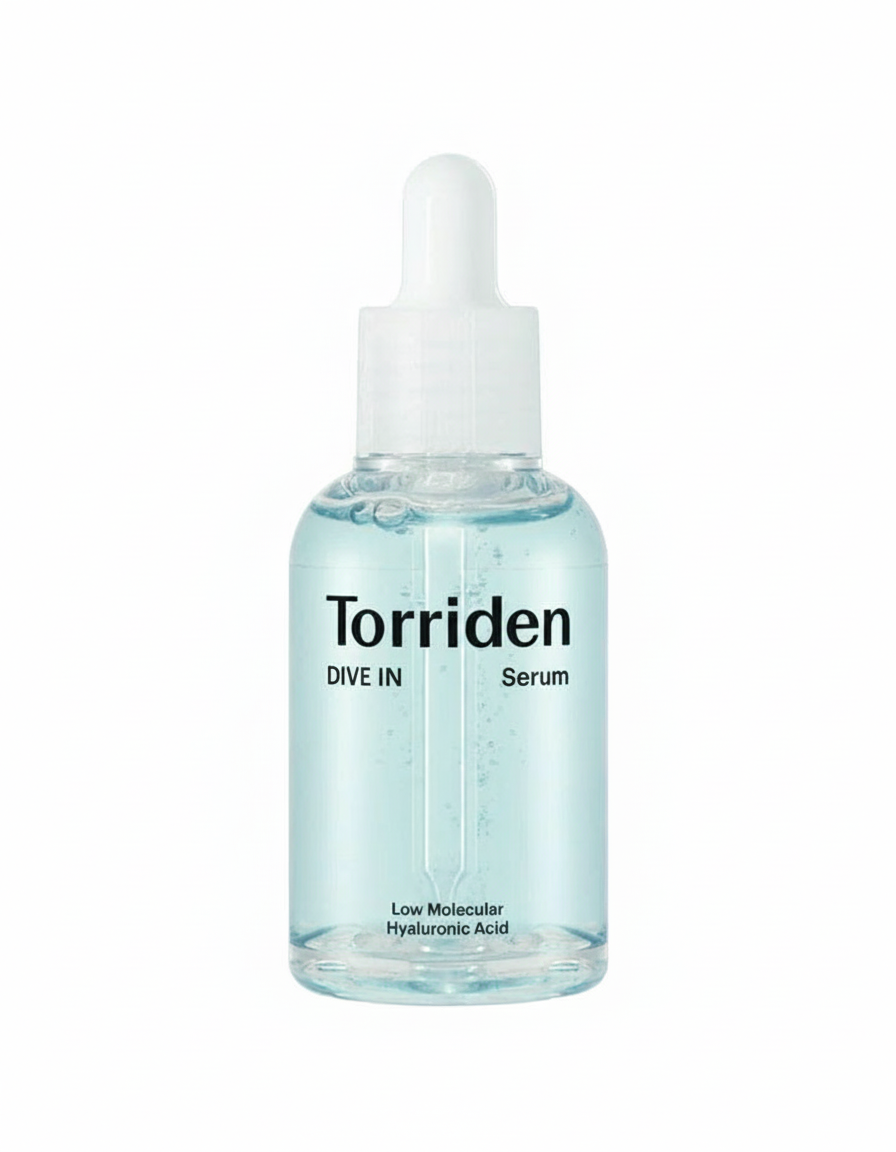
DIVE-IN Low Molecular Hyaluronic Acid Serum
Key: Low Molecular Hyaluronic Acid
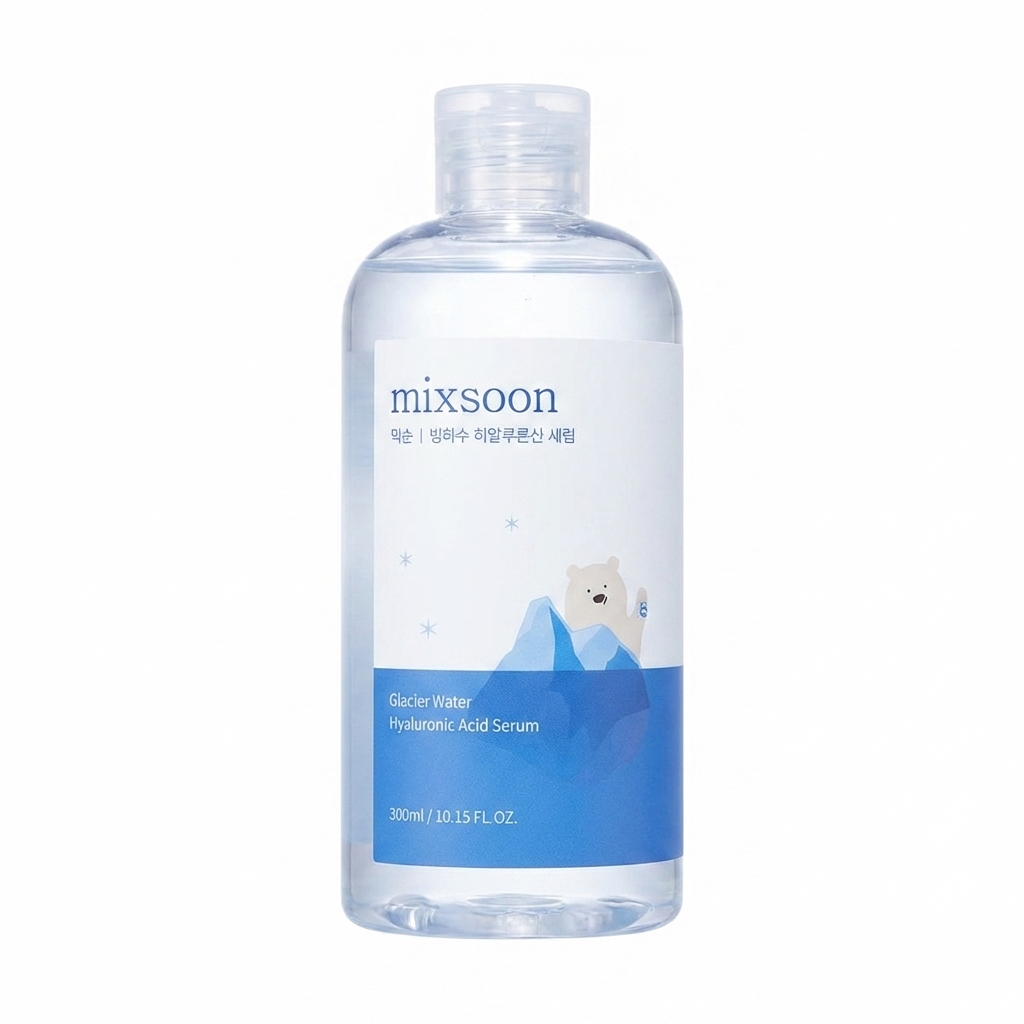
Glacier Water Hyaluronic Acid Serum
Key: Glacier Water + 3 Types Hyaluronic Acid
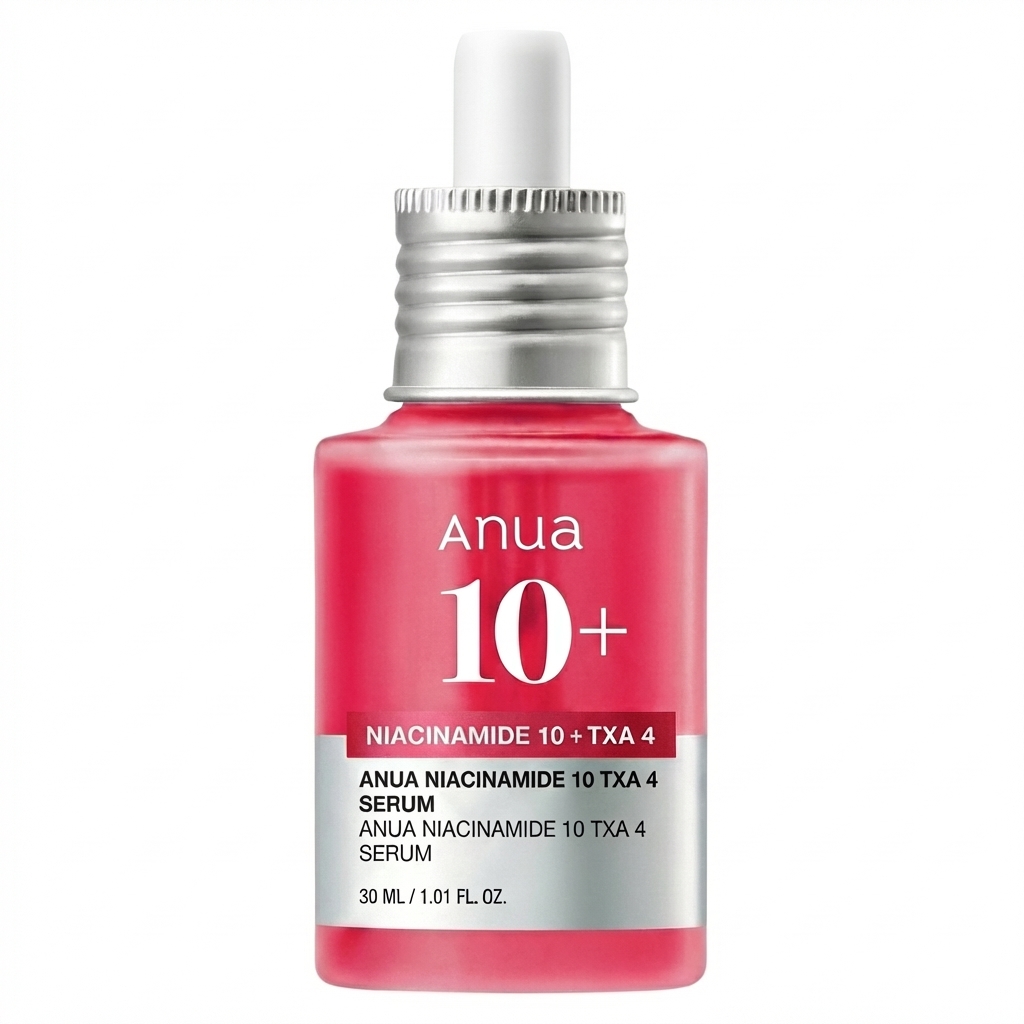
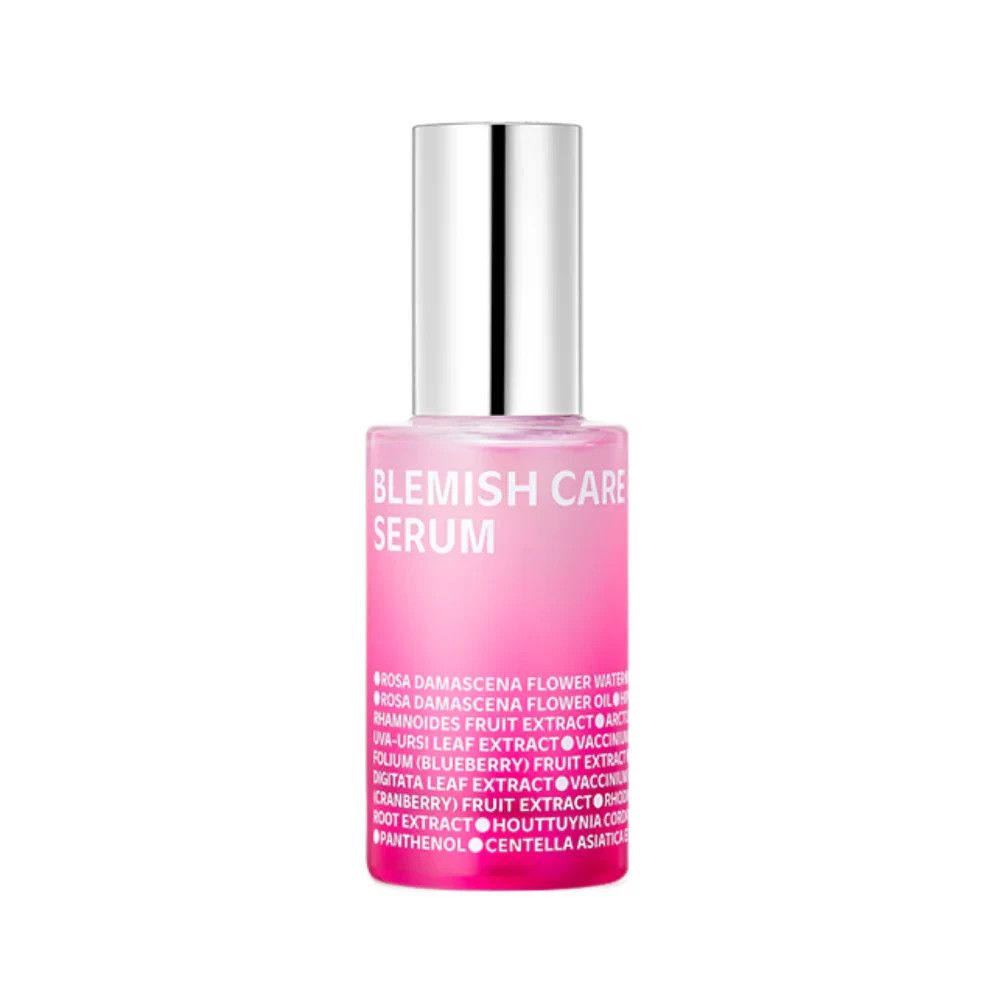
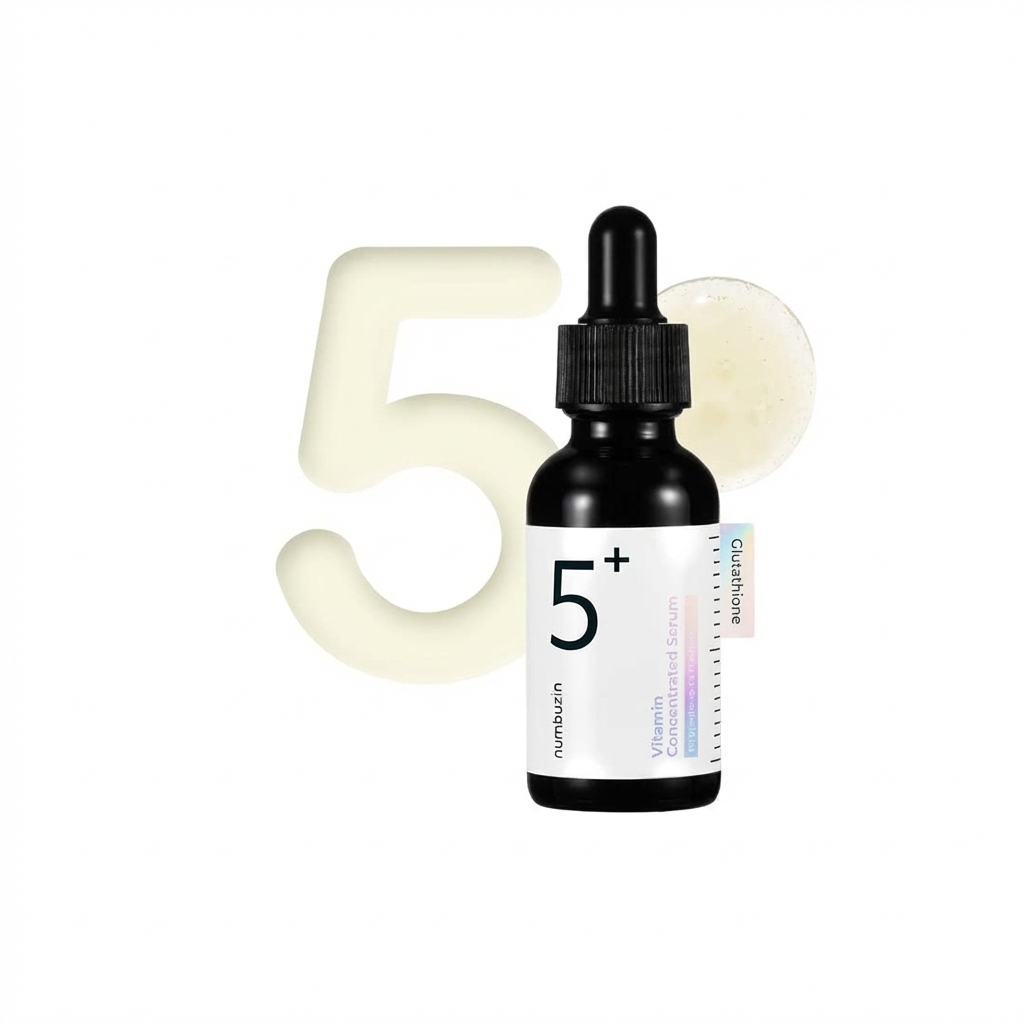
No.5+ Vitamin-Niacinamide Concentrated Serum
Key: Vitamin Complex + Niacinamide
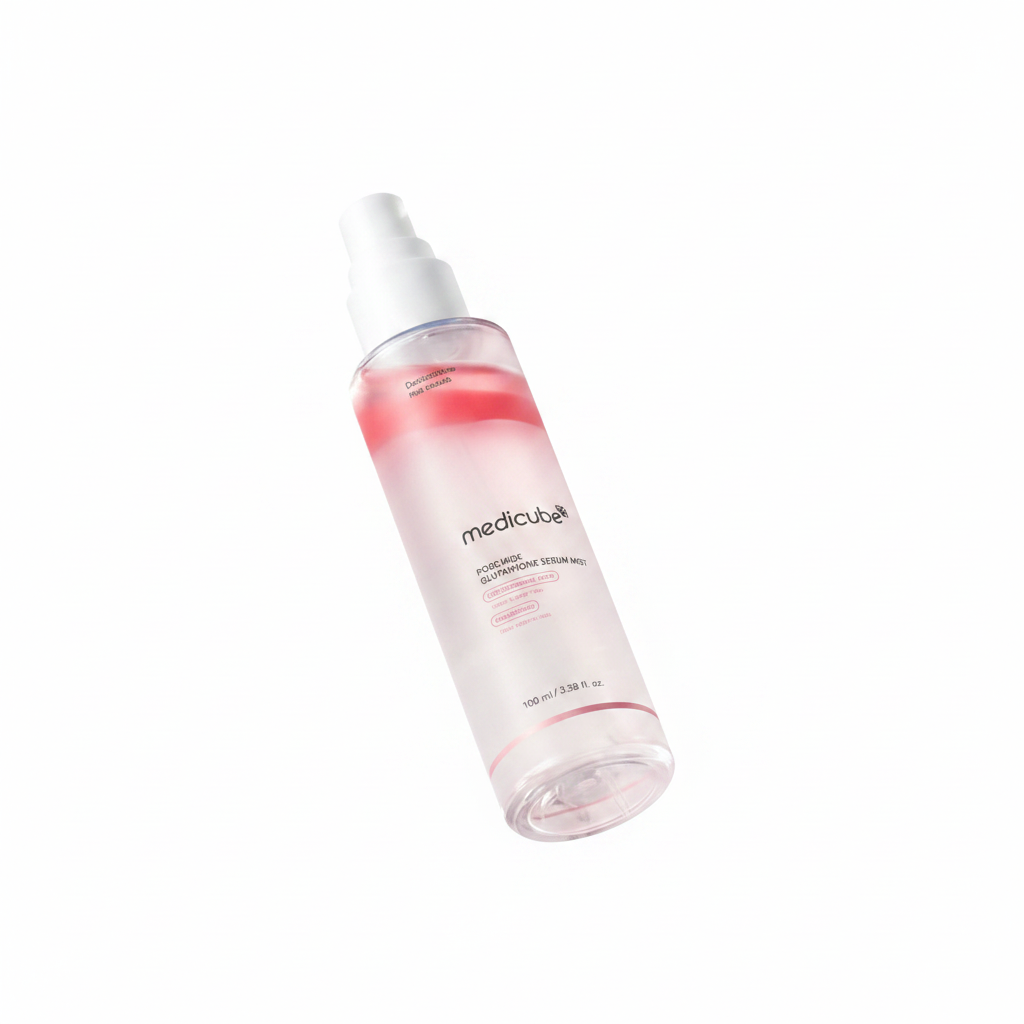
PDRN Pink Collagen Glow Jelly Mist Serum
Key: Salmon PDRN + Collagen
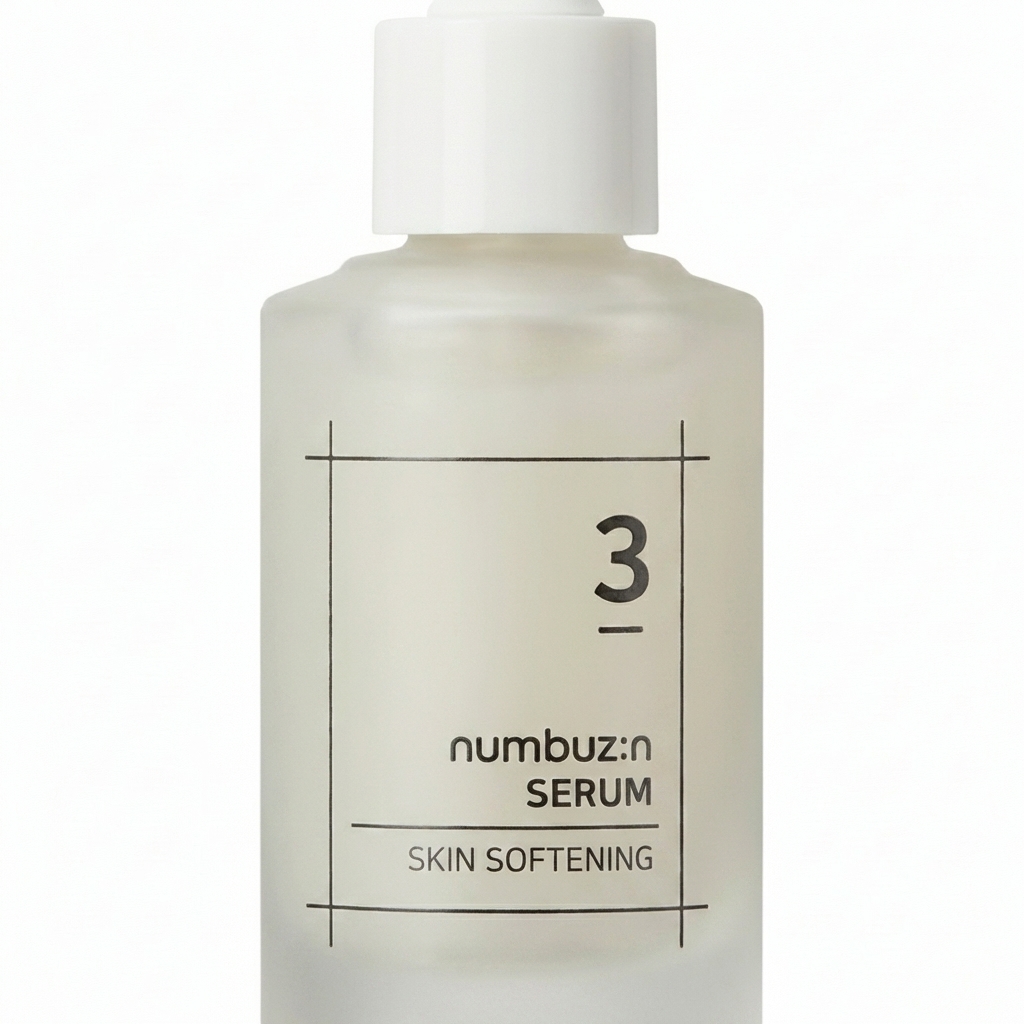
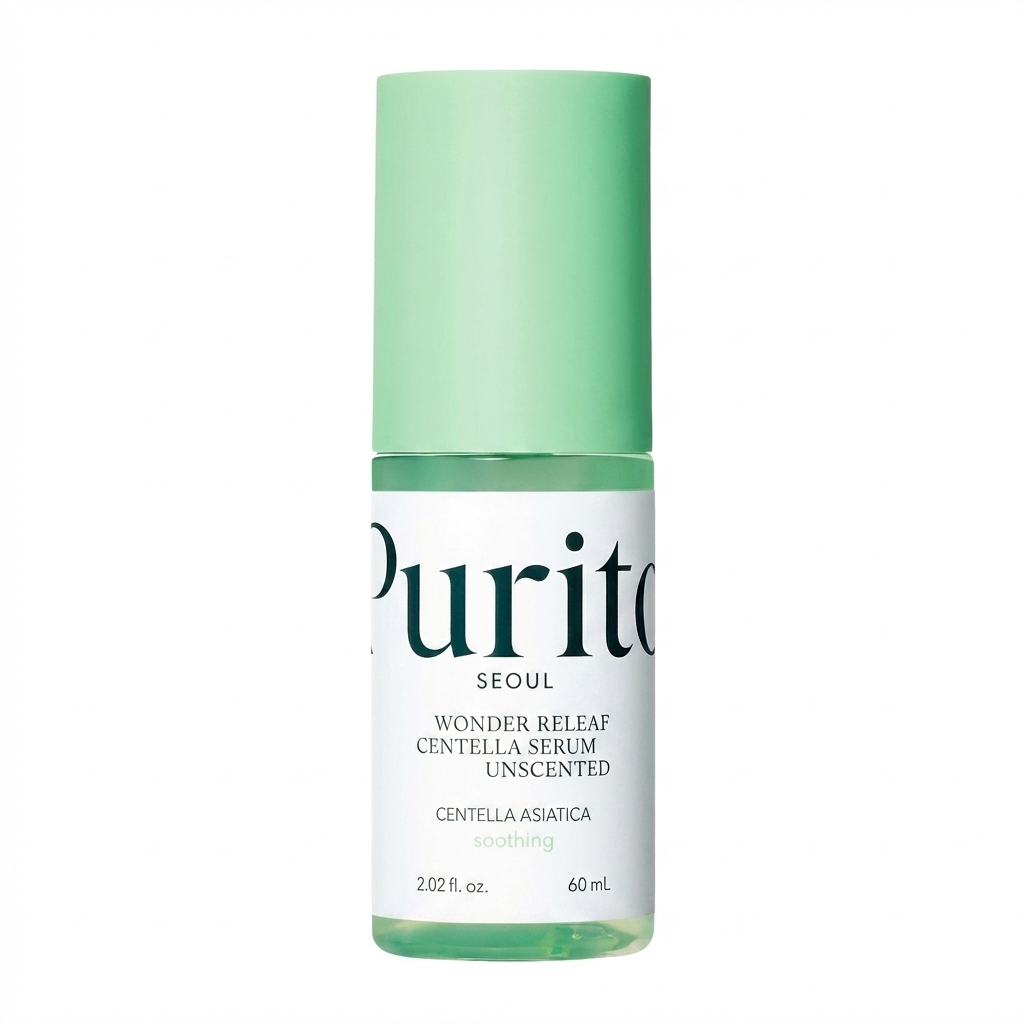
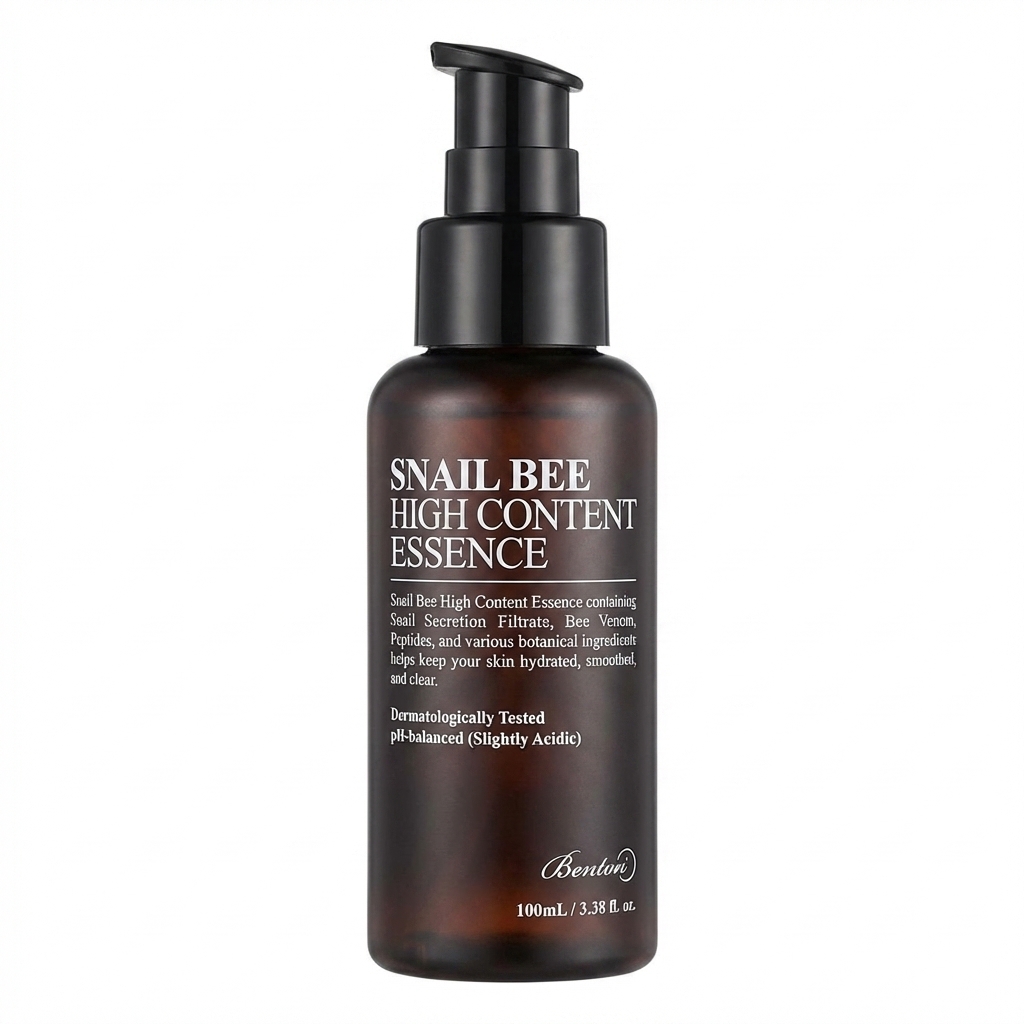
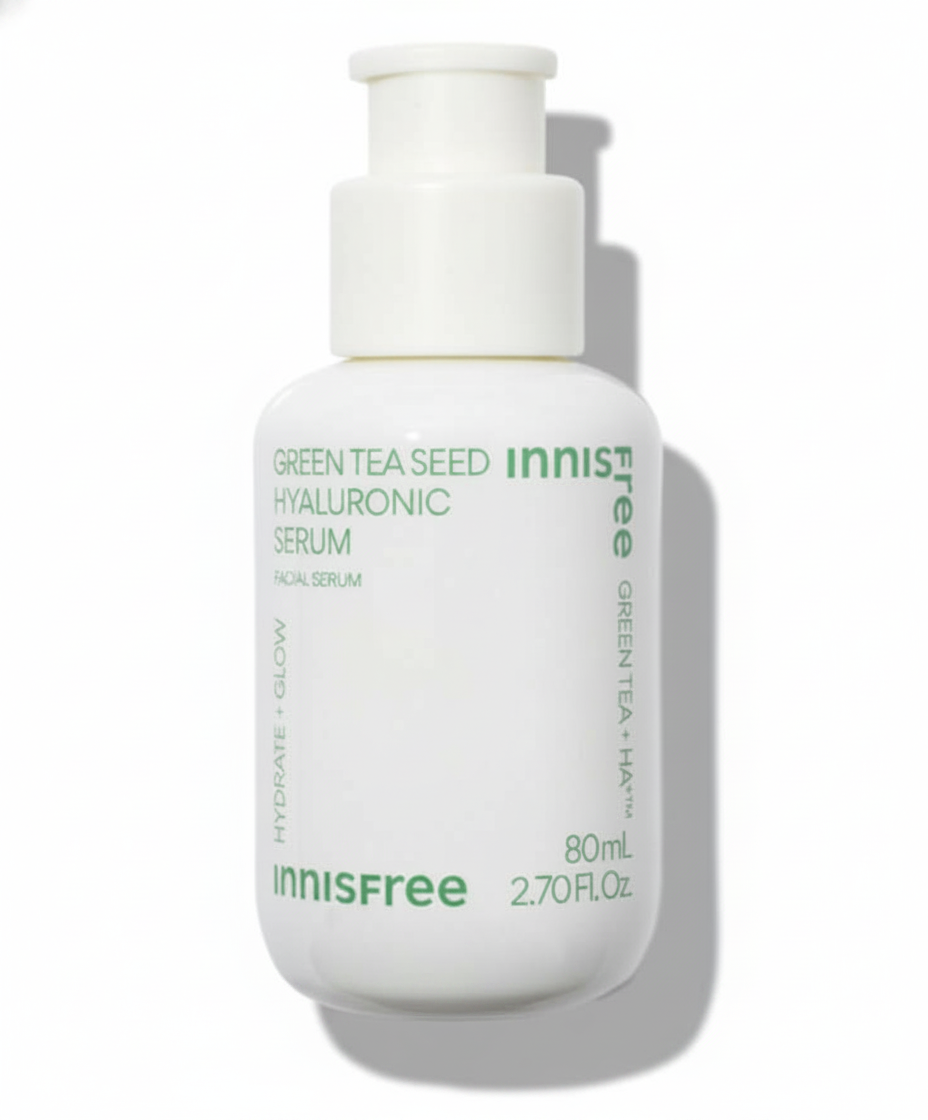

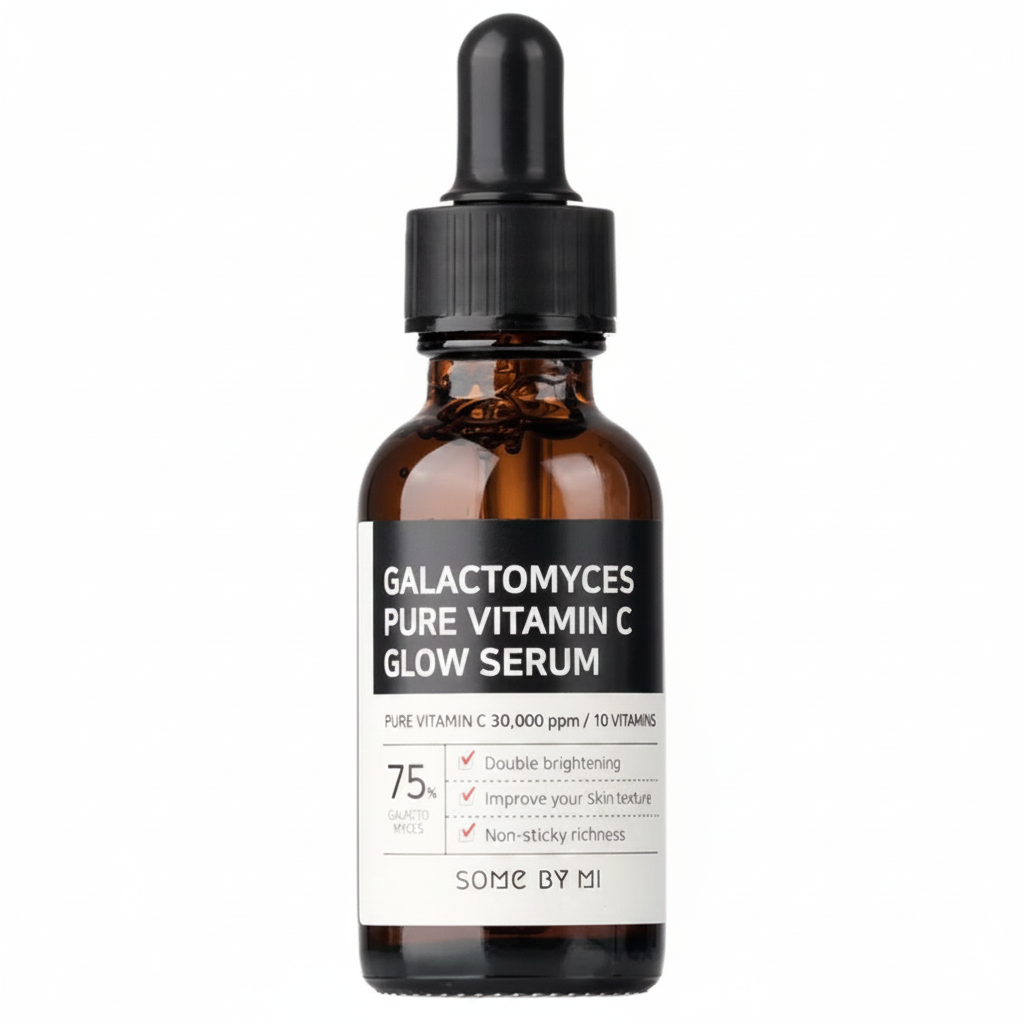
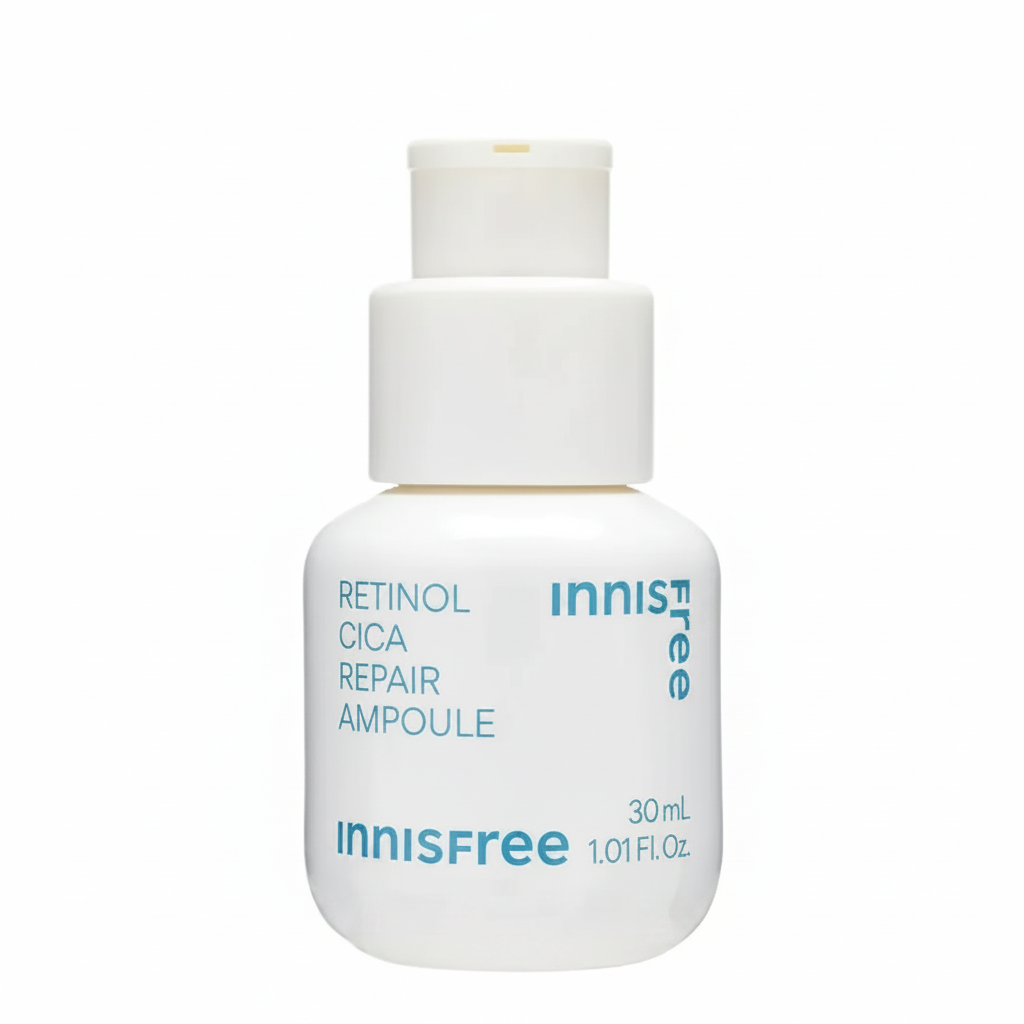
Prices are refreshed daily but may change throughout the day — confirm the final price on the retailer’s site.
What to look for in a serum for normal skin
- ✓ Vitamin C (antioxidant)
- ✓ Niacinamide
- ✓ Peptides
- ✓ Hyaluronic acid
- ✓ Green tea extract
- ✓ SPF (non-negotiable)
- ✓ Retinol (for prevention)
- ✓ Glycerin
Ingredients to avoid
- ✕ Heavy stripping cleansers
- ✕ Over-exfoliating (limit to 2–3×/week)
- ✕ Skipping SPF
- ✕ Harsh alcohols
Frequently asked questions
What is the best Korean serum for normal skin?
Our current top-rated pick is the DIVE-IN Low Molecular Hyaluronic Acid Serum. For normal skin, the best serums prioritise Vitamin C (antioxidant), Niacinamide, Peptides, Hyaluronic acid and skip Heavy stripping cleansers, Over-exfoliating (limit to 2–3×/week), Skipping SPF. We rank by rating and price-compare every option across UK retailers below.
What ingredients should normal skin look for in a serum?
Look for Vitamin C (antioxidant), Niacinamide, Peptides, Hyaluronic acid. Normal skin generally does best avoiding Heavy stripping cleansers, Over-exfoliating (limit to 2–3×/week), Skipping SPF, which can dry out or unbalance the skin.
How much does a Korean serum for normal skin cost in the UK?
The picks on this page range from about £10.86 to £26.81. We refresh prices daily across LookFantastic, YesStyle, Olive Young and other UK-shipping retailers so you can buy at the lowest price.
Where can I buy Korean serums for normal skin in the UK?
Every product below links to UK-shipping retailers (LookFantastic, YesStyle, Olive Young, Stylevana and more) with live prices, so you can compare and buy from the cheapest in-stock option.