K-Beauty Blog
Guides, product recommendations, and tips for UK shoppers navigating the world of Korean skincare.
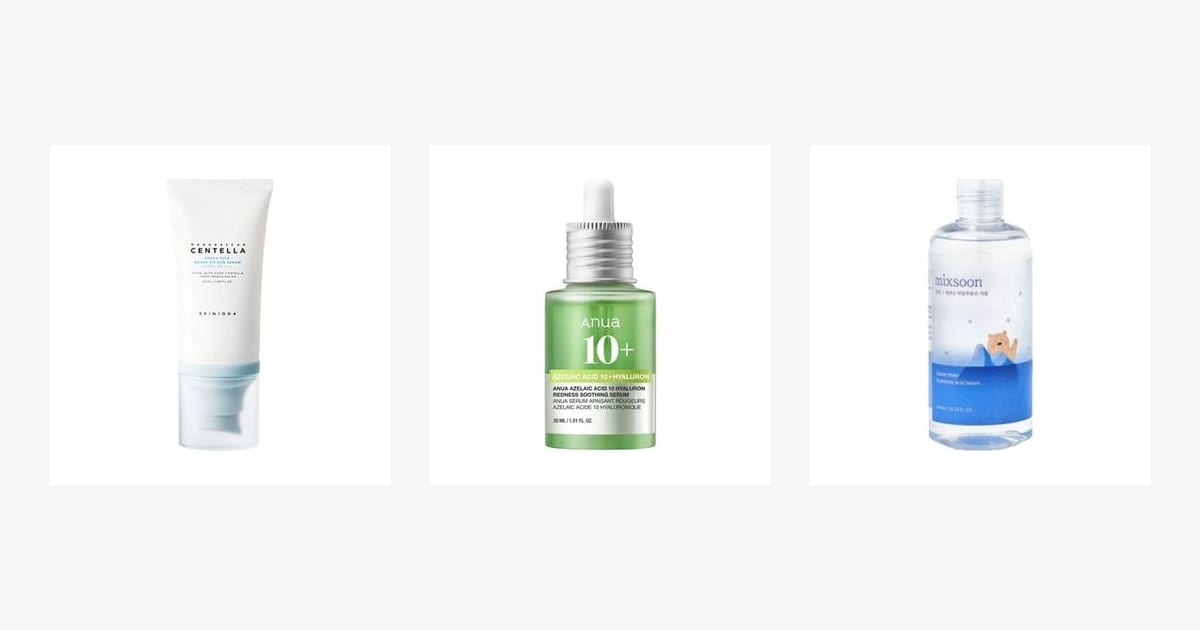
Hyaluronic Acid in Korean Skincare: What It Really Does (and What It Doesn't)
Hyaluronic acid hydrates, and in one trial the smaller molecules softened fine lines around the eyes. It is not filler in a bottle. Here is what the research supports, with Korean serums to try.
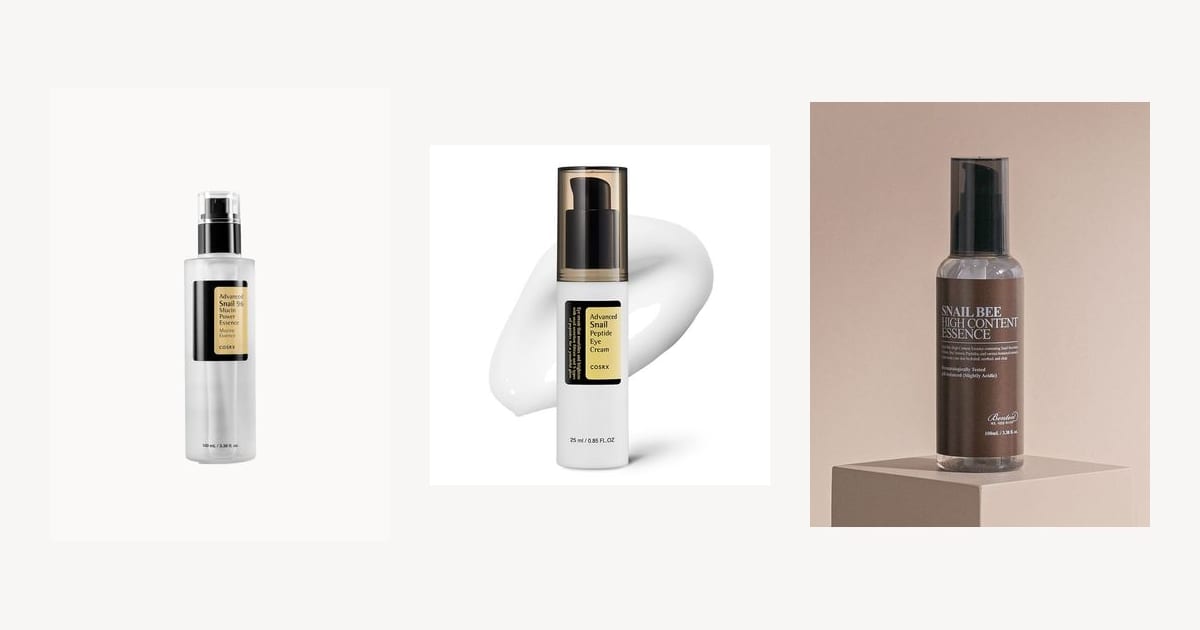
Snail Mucin: What the Research Actually Says About K-Beauty's Cult Ingredient
Snail secretion has small but real trials behind it — mostly for recovery after laser treatments. Here is what that means for an everyday essence, and the Korean snail products worth trying.
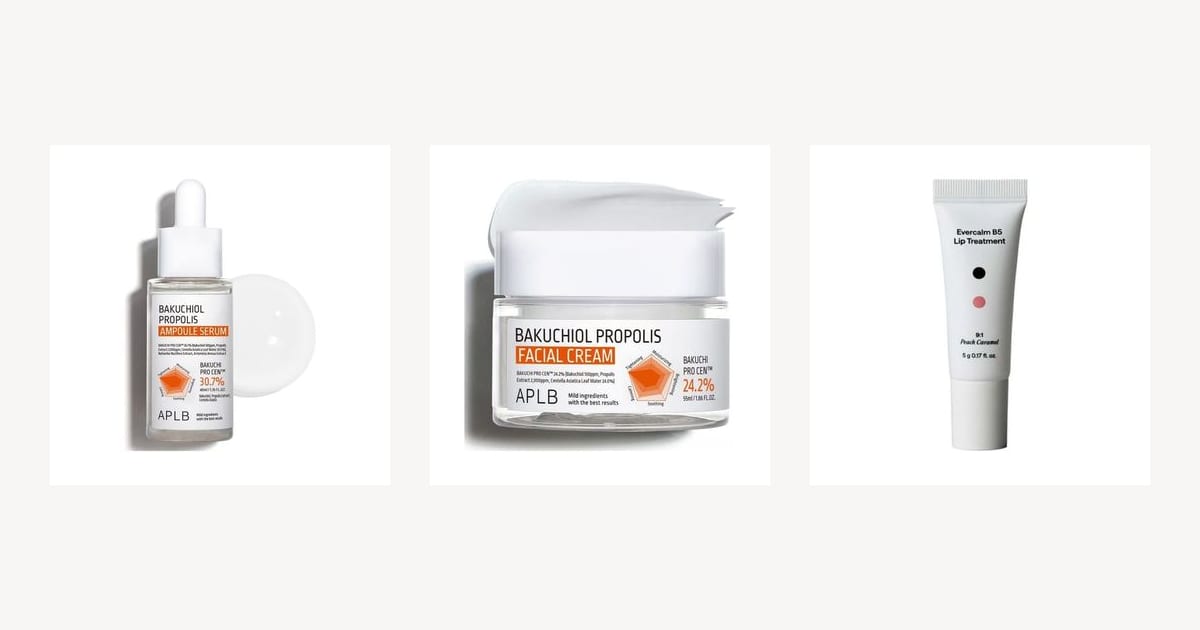
Propolis Skincare: Soothing Hero or Allergy Risk? What the Evidence Shows
Propolis is in many Korean 'honey glow' serums. The skin evidence is thin, and it is a known contact allergen. Here is who should try it, who should skip it, and the products that contain it.
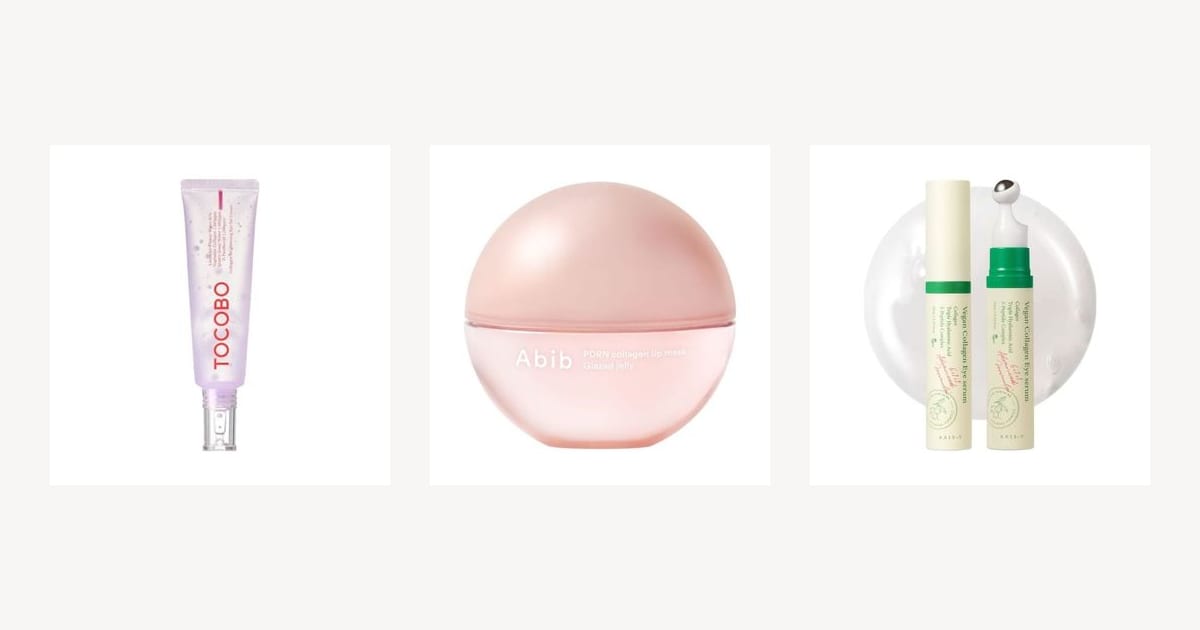
Does Collagen Skincare Work? What Trials Say About Collagen Creams and Supplements
Collagen in a cream does not rebuild your skin's collagen — the one placebo-controlled trial found no effect. It can still be a nice moisturising film. Here is the evidence, plainly.
Vitamin C Skincare: Which Forms Work, and What Korean Serums Actually Contain
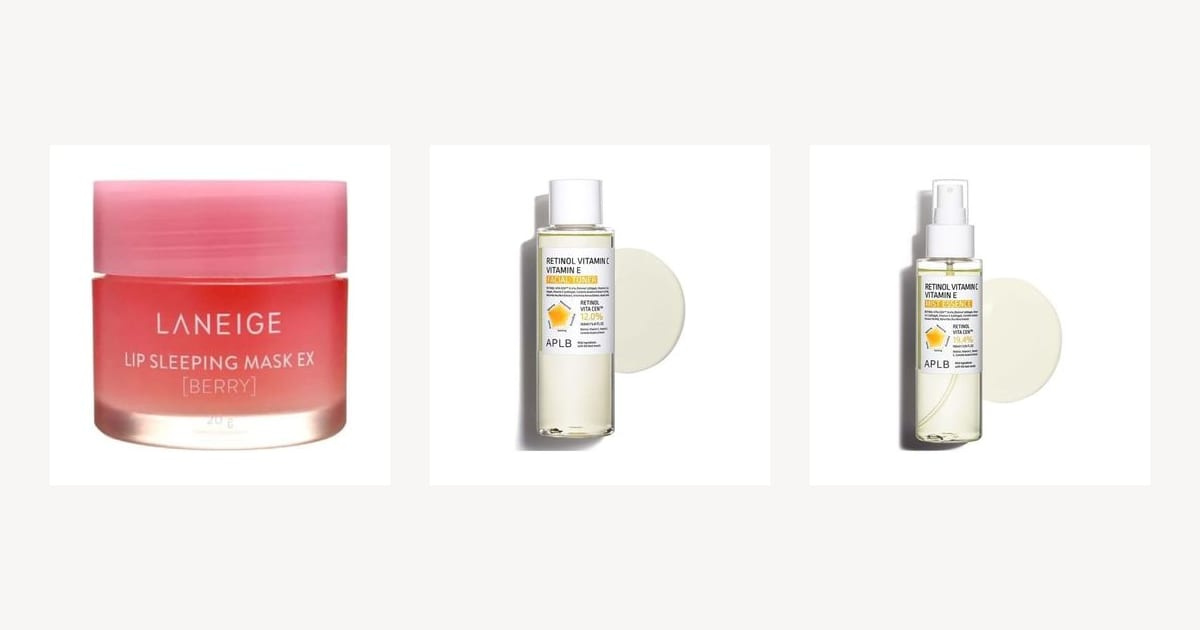
Pure vitamin C has decent trial evidence for photoaged skin and dark spots, but only at low pH and real strengths. Many derivatives have far less proof. Here is how to read the label.
Tranexamic Acid (TXA) Skincare: Does It Fade Dark Spots? An Honest Look
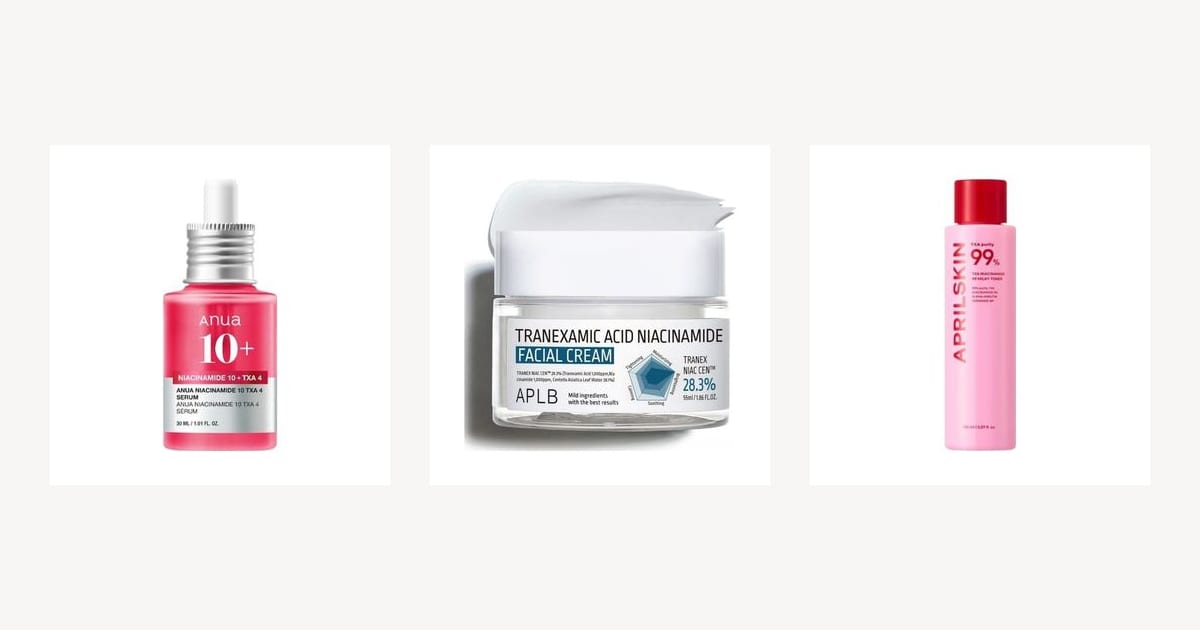
TXA is the trending 'melasma' ingredient in Korean serums. In small trials it matched hydroquinone with fewer side effects — but the one trial against a plain base found no difference. Here is the full picture.
Azelaic Acid for Redness and Acne: What Works, and What Korean Serums Contain
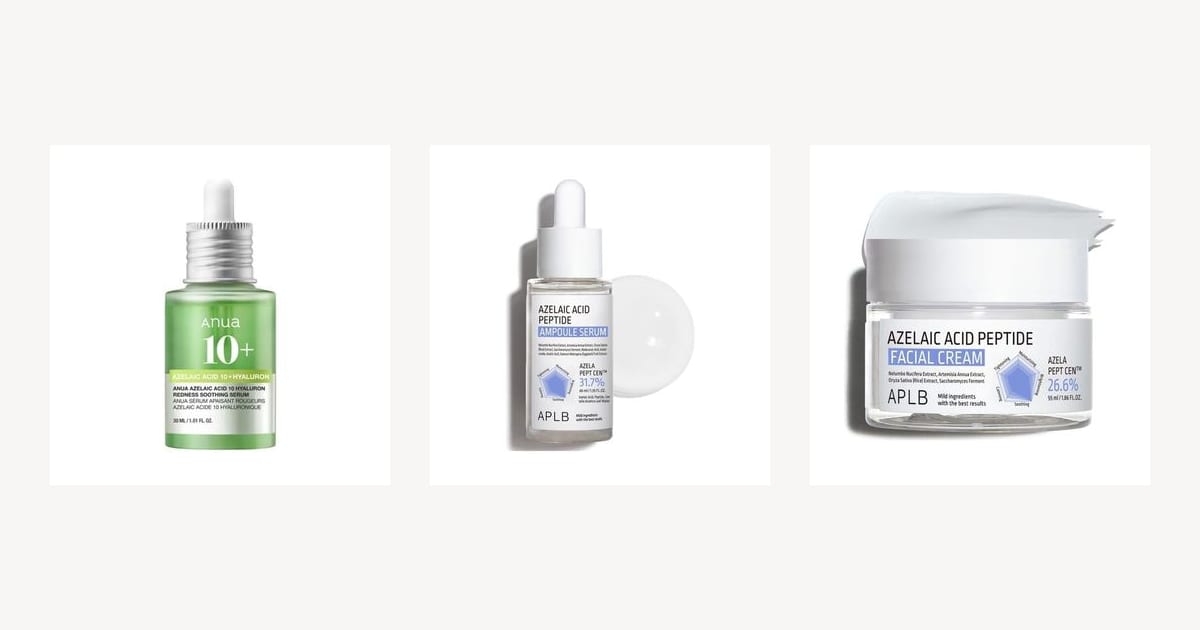
Azelaic acid has strong trial evidence for rosacea bumps and acne — at 15–20%. Many Korean products use a derivative or much less. Here is how to tell the difference.
Rice in Korean Skincare: Does Rice Water Really Brighten Skin?
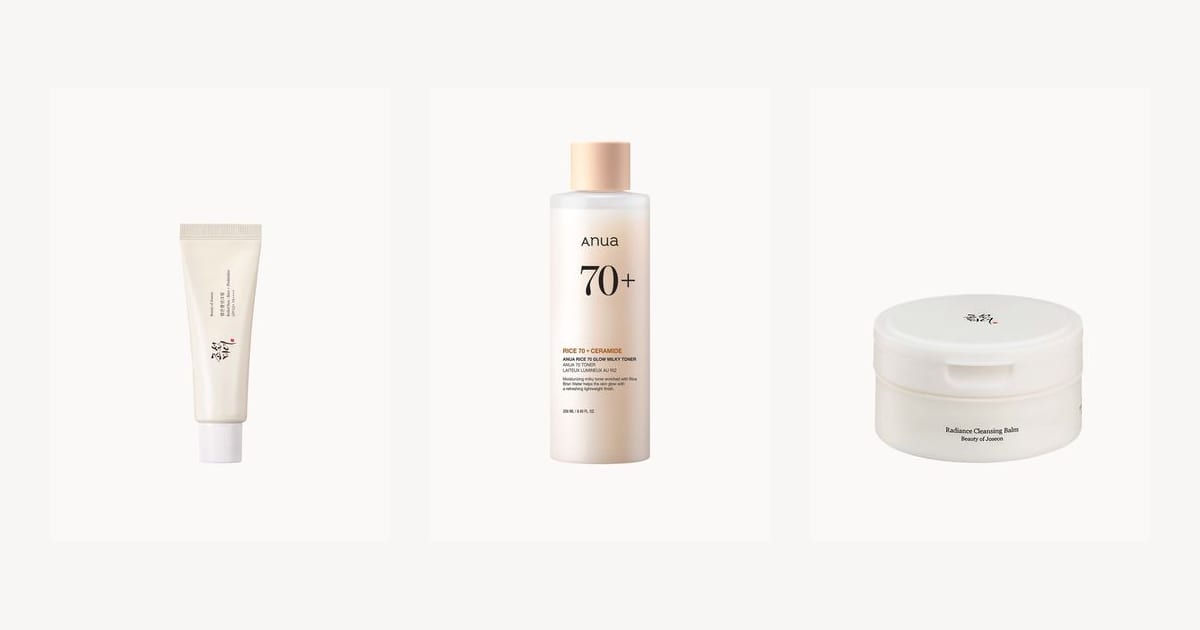
Rice is behind some of K-beauty's best-known products. The human evidence is thin: gentle hydration and barrier support, yes; 'glass skin' brightening, unproven. Here is what the studies say.
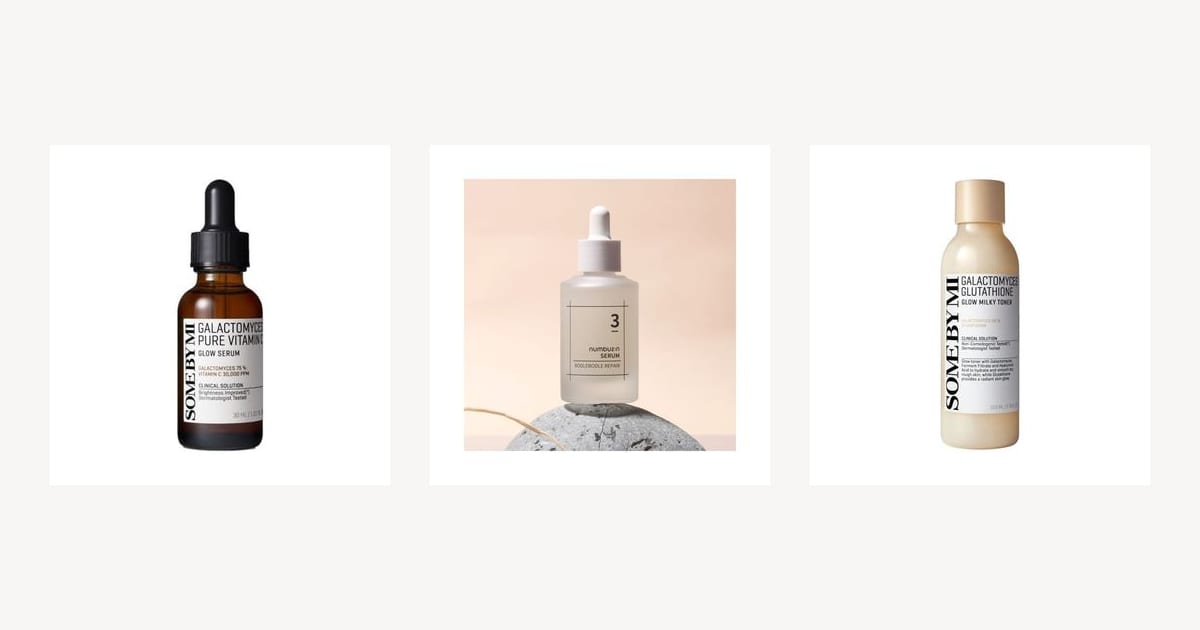
Galactomyces Ferment Filtrate: Is the 'Pitera' Ingredient Worth It?
Galactomyces is SK-II's famous ingredient and the base of many cheaper Korean essences. Almost all the evidence comes from the company that sells it. Here is what that evidence shows.
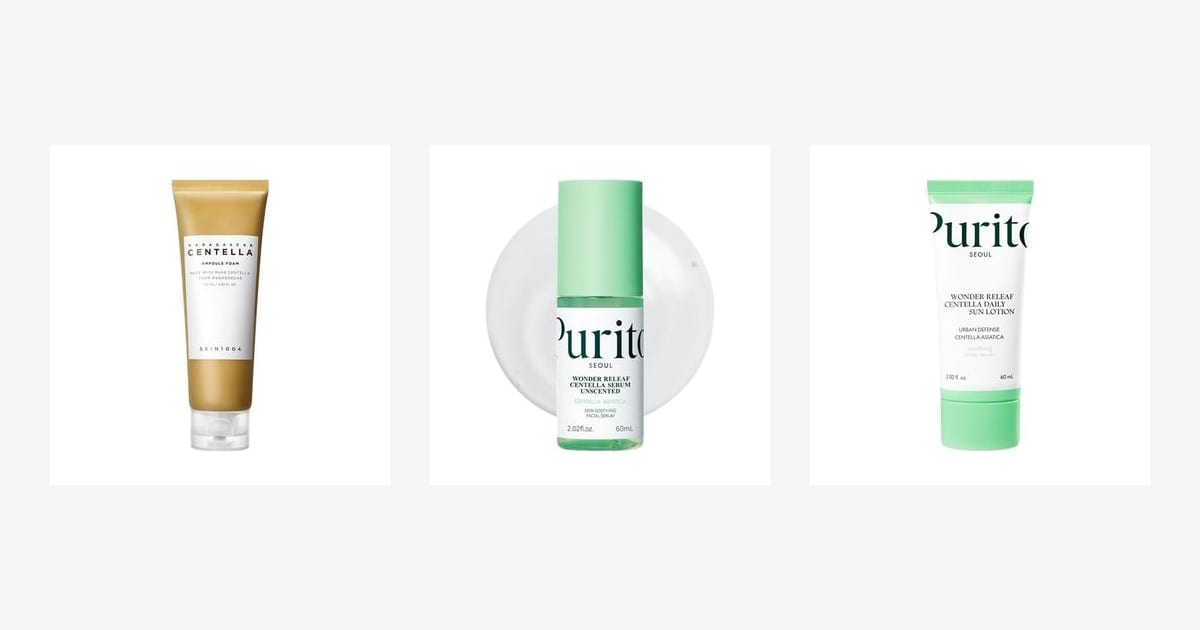
Centella (Cica) in Korean Skincare: What the Trials Show
Cica is K-beauty's signature calming ingredient. Small trials support hydration and a modest softening of fine lines; 'repairs your barrier' and 'cures redness' are not shown in people. Here is the evidence.
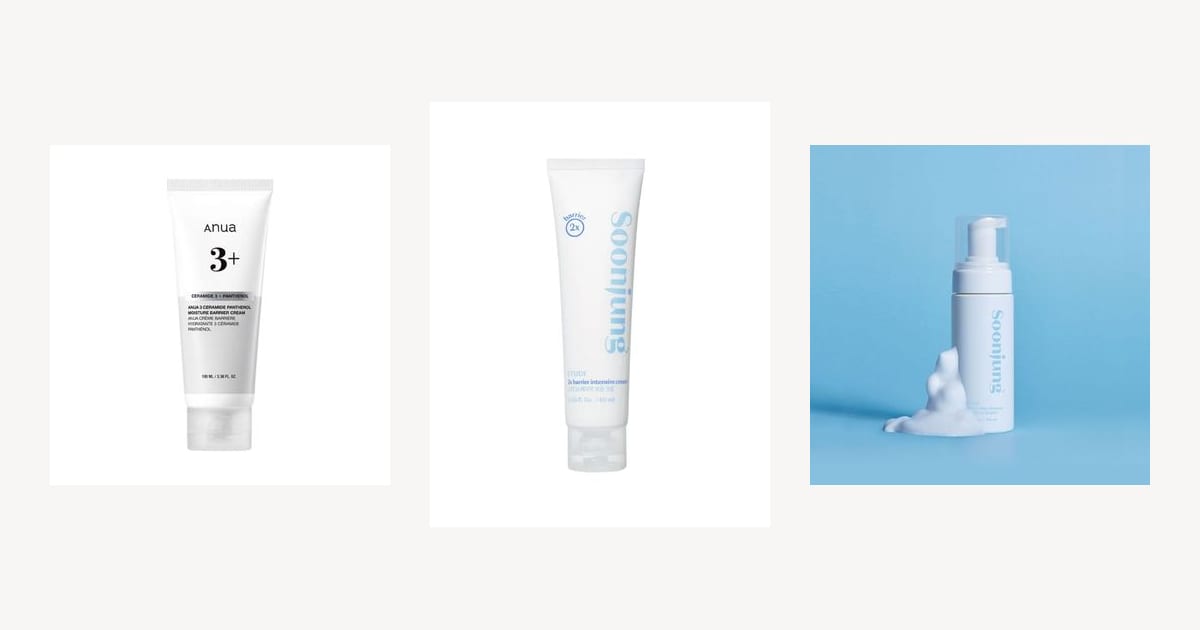
Panthenol (Vitamin B5) in Skincare: Does It Really Soothe and Repair?
Panthenol is in half the 'barrier' creams on the shelf. Small vehicle-controlled trials show it hydrates and helps irritated skin recover. Here is how strong that evidence is, and who should check the label.
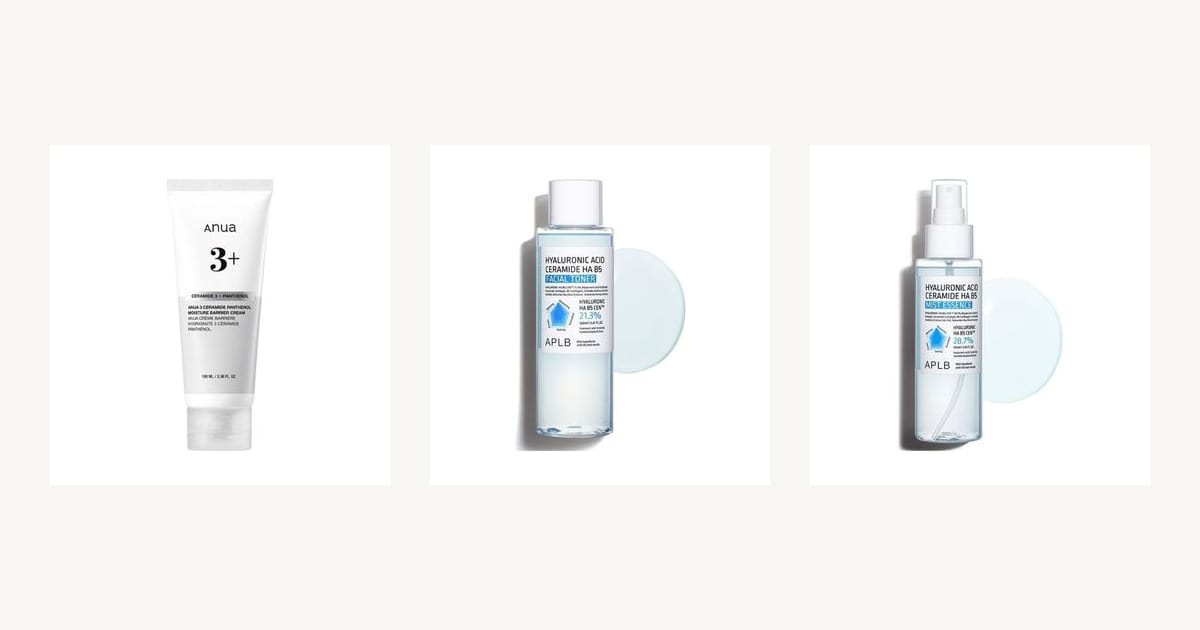
Ceramide Creams: Are They Better Than Other Moisturisers? The Honest Answer
Ceramide moisturisers work — as moisturisers. Reviews of dozens of trials found no reliable sign that they beat other moisturisers on the skin barrier. Here is what that means when you buy one.
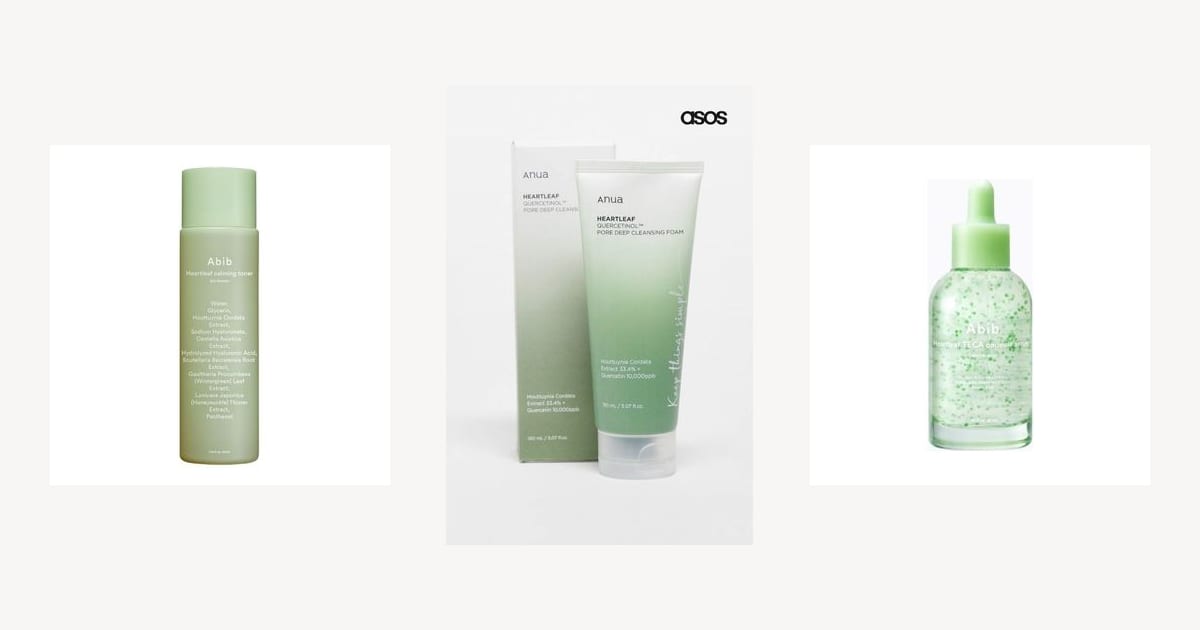
Heartleaf (Houttuynia Cordata): Is Anua's Hero Ingredient Backed by Evidence?
Heartleaf toners are some of K-beauty's best sellers. One small human study supports oil control and moisture; the calming and anti-acne claims come from cell and mouse studies. Here is the evidence, plainly.
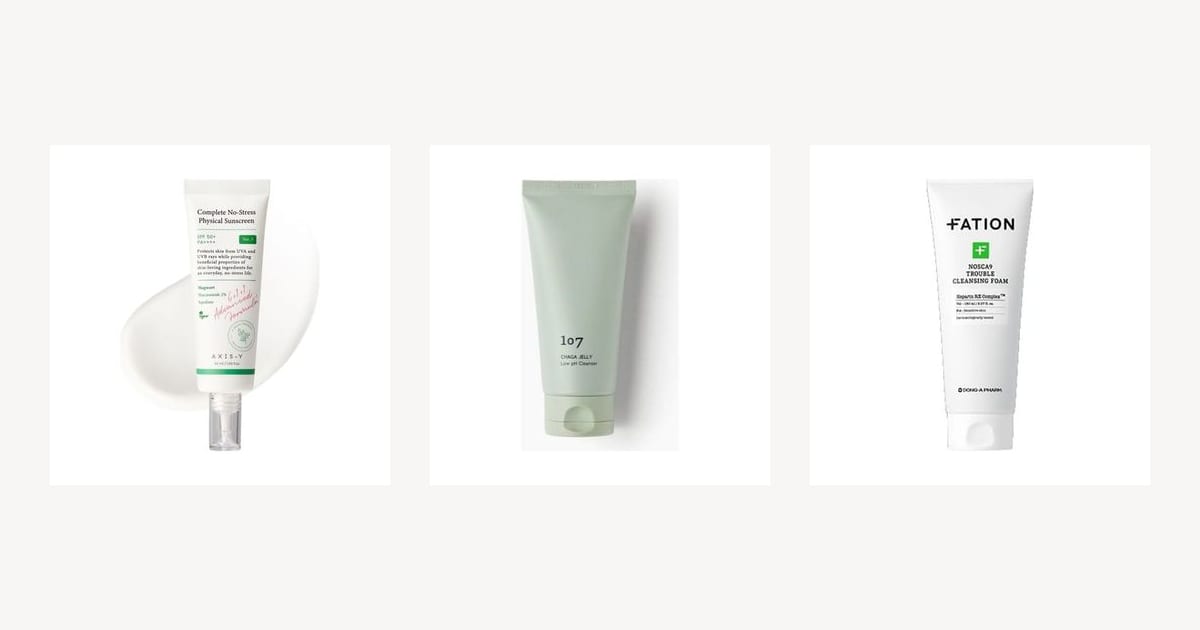
Mugwort (Artemisia) Skincare: What We Know — and Don't — About K-Beauty's Calming Herb
Mugwort essences and masks are marketed as calming. We found no human clinical trial of topical Korean mugwort — only lab and mouse studies. Here is what those show, and who should patch-test first.
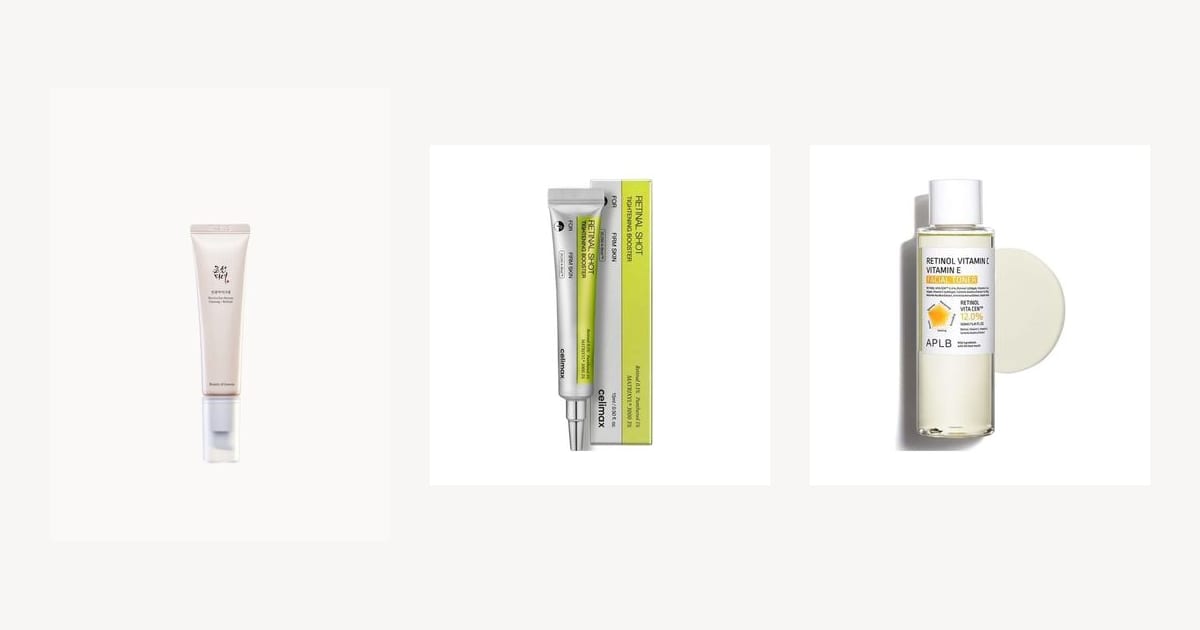
Retinol vs Retinal: What Over-the-Counter Vitamin A Can (and Can't) Do
Retinol has some trial evidence for fine lines, but a systematic review found the over-the-counter evidence weaker than the marketing. Retinal may work a little better. Here is the evidence, the new EU limits, and who should avoid it.
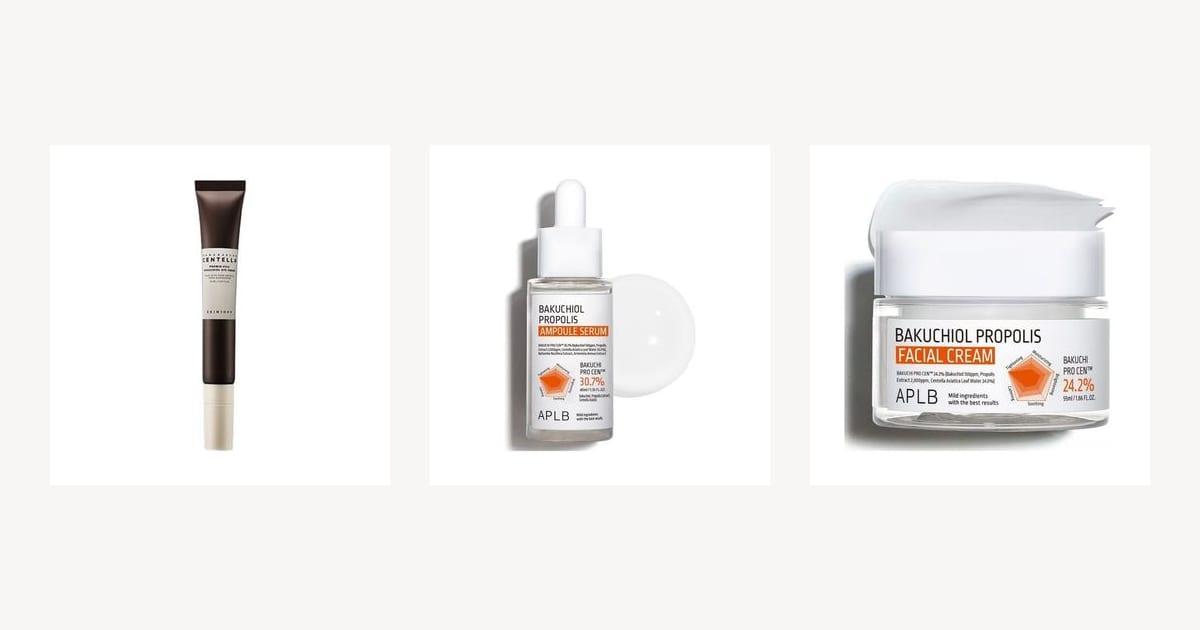
Bakuchiol: Is the 'Plant Retinol' Really as Good as Retinol?
Bakuchiol is gentler than retinol, and in one 44-person trial it worked about as well. That single small trial is most of the evidence. Here is what it does and does not prove.
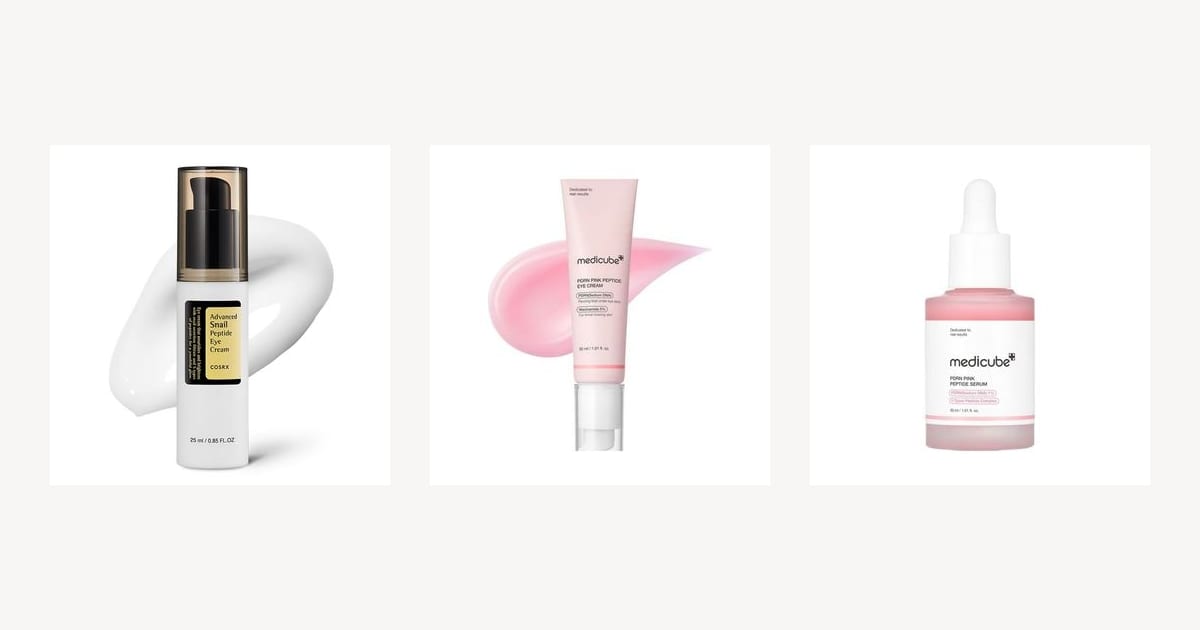
Peptides in Skincare: Matrixyl, Argireline and Copper Peptides — What's Proven?
Peptide creams show small, short-term improvements in fine lines in a handful of trials. 'Botox in a jar' is not one of the things they have shown. Here is the evidence for each type.
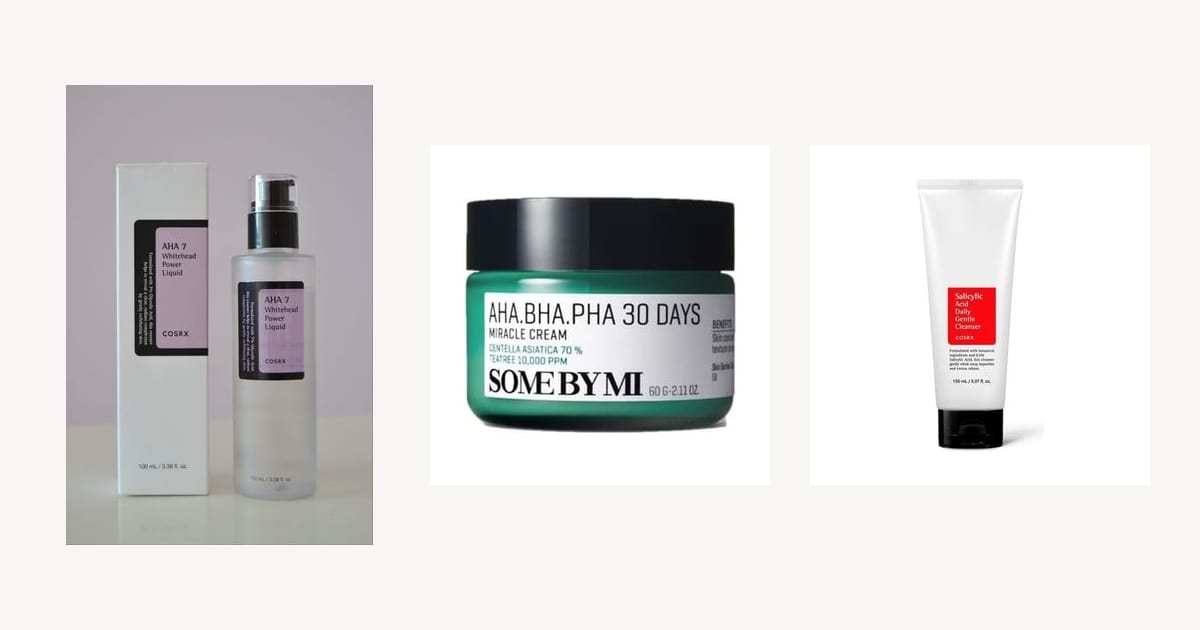
AHA vs BHA vs PHA: Which Exfoliating Acid Suits Your Skin?
Glycolic acid smooths skin but makes it burn more easily; salicylic acid helps acne a little; PHA is gentler. Here is what the trials show for each acid, and why sunscreen is not optional.
Green Tea and Ginseng in Korean Skincare: Antioxidant Promise vs Evidence
Topical green tea has some evidence for acne and oiliness; its one placebo trial for ageing showed no visible difference. Ginseng's skin evidence is two tiny trials. Here is the honest picture.
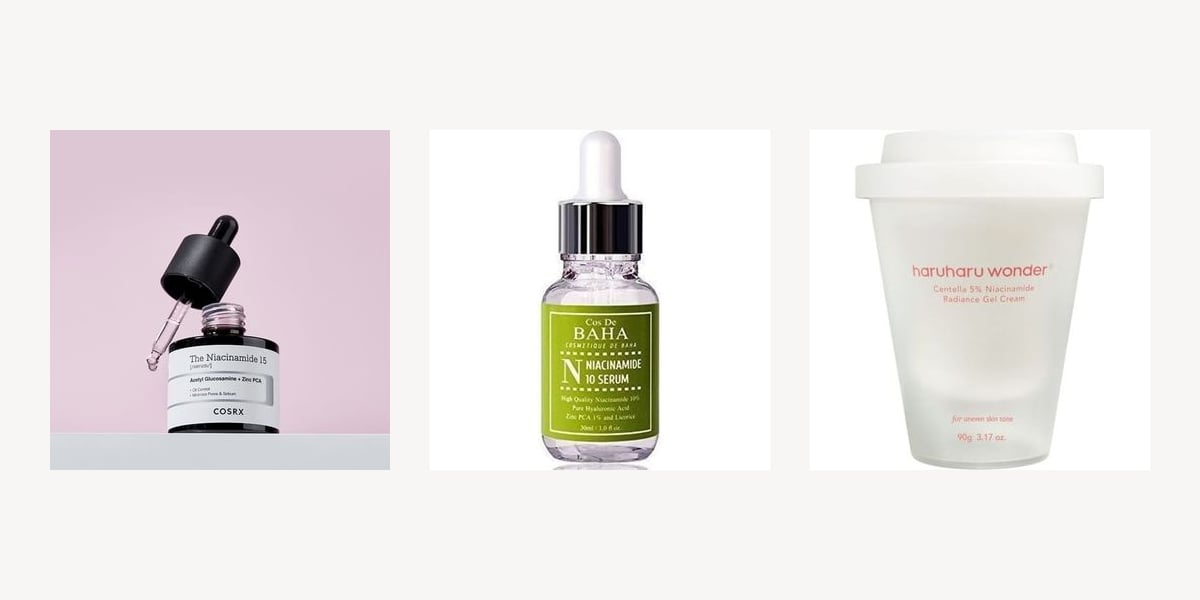
Does Niacinamide Really Shrink Pores? What the Research Actually Shows
Niacinamide is sold as a pore fix. The clinical evidence says something narrower and more useful: it can cut down surface oil, which changes how pores look. Here's what the studies found, what they didn't, and which strength is worth paying for.
Best Korean Cleansers UK 2026: Low pH, Double Cleansing, and What Actually Matters
Korean cleansers are the cheapest part of a K-beauty routine and the part that most often ruins it. Here's what low pH really means, whether you need to double cleanse, and the best Korean cleansers you can buy in the UK — price-compared across retailers.
Best Korean Eye Creams UK 2026: What Actually Works for Dark Circles, Fine Lines & Puffiness
The best Korean eye creams and eye serums you can buy in the UK, price-compared — plus an honest look at what an eye cream can and can't do for dark circles, and how to pick one for dry, normal, combination or sensitive skin.
Best Korean Skincare for Combination Skin (2026): The Complete UK Guide
Combination skin means an oily T-zone and drier cheeks at the same time. Here's how to build a balanced K-beauty routine for it, plus the best Korean cleansers, toners, serums, moisturisers and sunscreens you can buy in the UK.
We Compared 70 Korean Skincare Products Across Every UK Retailer — Here's How Much You're Overpaying (2026)
We tracked the price of 70 popular K-beauty products across the UK's main retailers. The median shopper could cut about a third off by buying from the cheapest in-stock option. Here's the data — and how to use it.
PDRN Skincare Explained: Is the 'Salmon DNA' Trend Worth It? (UK Guide 2026)
PDRN is one of the most-searched skincare ingredients in the UK right now. Here's what it actually is, what the science really supports, who it suits, and the best Korean PDRN and repair products you can buy here.
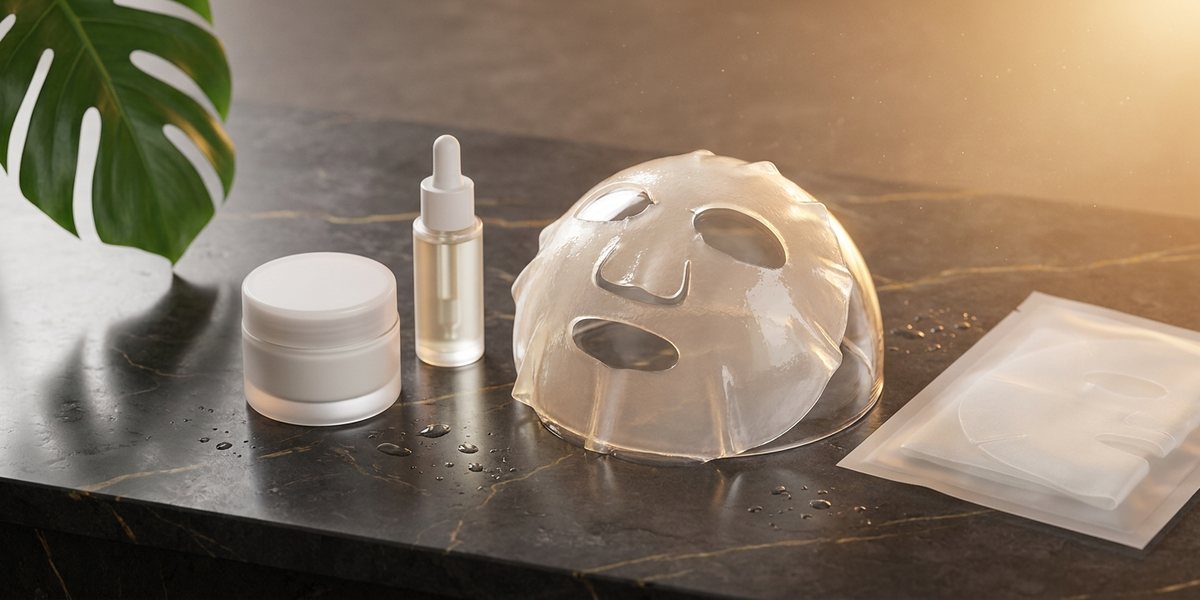
Best Korean Collagen Masks UK 2026: 5 Overnight Picks, Price-Compared
The 5 best Korean overnight collagen masks you can buy in the UK, ranked — including the viral Biodance Bio-Collagen mask. How they work, how to use them, and where each one is cheapest.
Where to Buy Korean Skincare in the UK (2026): The Complete Retailer Guide
Every reliable place to buy authentic K-beauty in the UK — LookFantastic, YesStyle, Olive Young, Boots, Beauty Bay and Stylevana — compared on price, delivery times, customs, selection and how to avoid fakes.
The Complete K-Beauty Guide for UK Beginners (2026)
New to Korean skincare? This beginner-friendly guide covers everything UK shoppers need to know — from the famous multi-step routine to where to buy authentic products.
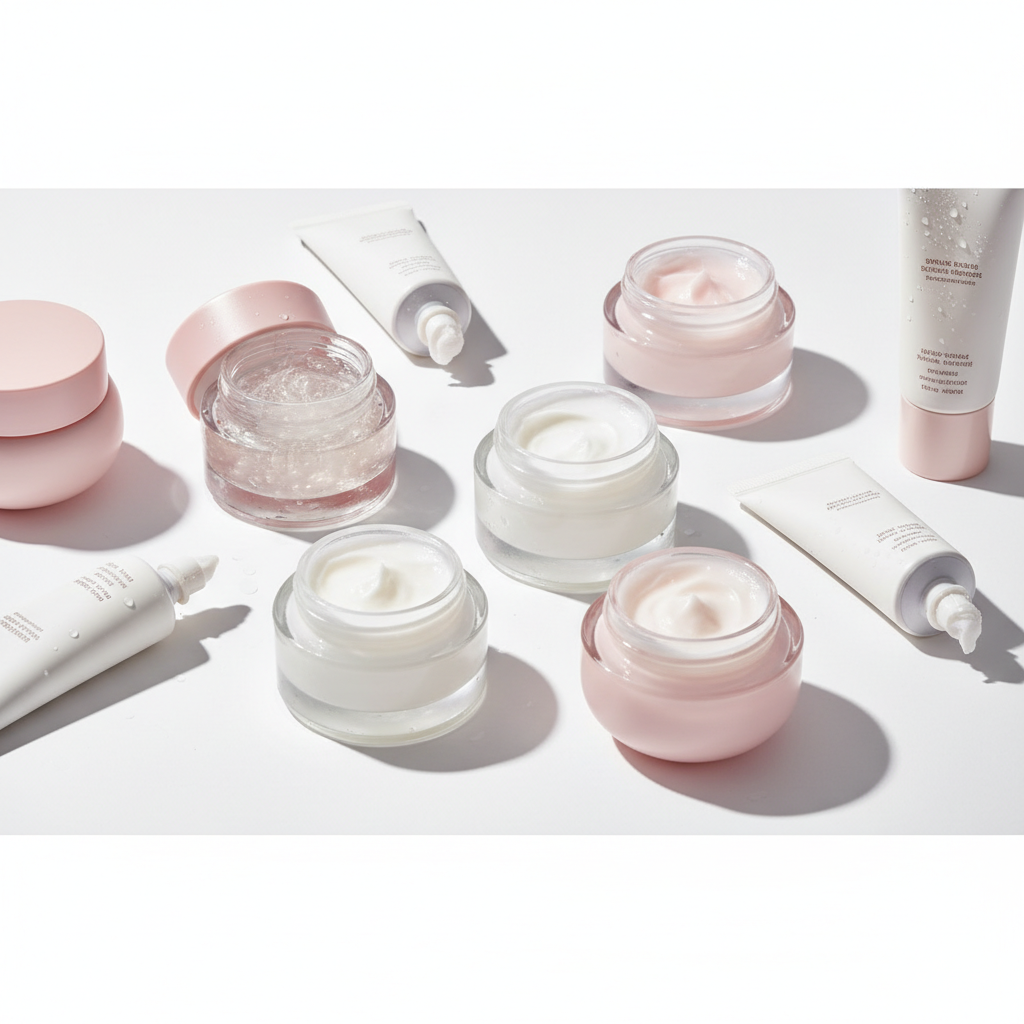
Best Korean Moisturisers for Every Skin Type — UK Buyer's Guide
From lightweight gels for oily skin to rich ceramide creams for dry complexions, these are the best Korean moisturisers you can buy in the UK right now.
Korean Sunscreen vs Western Sunscreen: Why K-Beauty Wins
Heavy, white-cast sunscreens are a thing of the past. Discover why Korean sunscreens have converted millions of skincare enthusiasts — and the best ones to buy in the UK.