Ingredient Guide
Centella Asiatica in Korean skincare
A tropical herb whose triterpenoid compounds calm inflammation, support barrier repair, and have decades of clinical use in dermatology — long before K-beauty made it a household name.
Also known as: Cica · Centella asiatica extract · Madecassoside · Asiaticoside · Gotu Kola · TECA
30-second summary
- What it is
- A tropical herb (Centella asiatica) whose extract contains four active triterpenoids: asiaticoside, madecassoside, asiatic acid, and madecassic acid. Together these are sometimes labelled TECA (titrated extract of Centella asiatica).
- What it does
- Reduces inflammation via NF-κB suppression, accelerates collagen type I and III synthesis through TGF-β/Smad signalling, calms redness within hours of application, and supports the skin barrier over weeks.
- Who it's for
- Sensitive, reactive, redness-prone or barrier-damaged skin. Also strong post-procedure (laser, microneedling, peels). Genuinely one of the few ingredients with a clinical reputation that predates its K-beauty popularity.
- Avoid if
- You have a known allergy to the Apiaceae plant family (carrot, celery, parsley). Otherwise very low risk — Centella has one of the cleanest dermatological safety records in cosmetics.
- Best concentration
- Extract concentration matters less than the standardised triterpenoid content. Look for products listing ≥0.1% madecassoside (the most studied actor) or "5% TECA" — these are the formulations with reproducible clinical data.
The science
What we actually know — and what we don't.
How it works — the four active compounds
What the studies actually show
In Korean skincare specifically
Why this ingredient is a K-beauty signature, and how the major brands differ.
Why centella became the K-beauty calming ingredient
The four cica brands worth knowing in the UK
Who it's good for
Centella is unusual in that it works for both calming inflammation (faster timescale, hours to days) and supporting collagen (longer timescale, weeks to months). That dual action makes it one of the few ingredients almost universally recommended for sensitive skin without compromising on anti-ageing benefit.
Skin types
Concerns it addresses
Age range: Useful at any age. Particularly high-value in two windows: teens-20s for trouble-prone skin recovery, and 40s+ for combined anti-inflammatory + collagen support.
Who should avoid
Centella has one of the cleanest safety profiles of any cosmetic active. The European Scientific Committee on Consumer Safety (SCCS) has reviewed it multiple times and consistently finds no significant concern at typical cosmetic concentrations. Pregnancy and breastfeeding use is considered safe (the molecules are too large for meaningful systemic absorption from topical application).
- ·Known allergy to the Apiaceae plant family (carrot, celery, parsley, fennel, dill)
- ·Active contact dermatitis flare — patch test first, even though reactions are rare
- ·Very rare: a small fraction of users report stinging on freshly compromised skin (open wounds, post-extraction)
Layering guide
Centella sits in the essence, ampoule, or serum step — after toner, before heavier moisturiser. A typical irritated-skin evening routine: gentle cleanse → toner → centella ampoule → barrier moisturiser → facial oil (if very dry) For active routines pairing centella with retinol or acids, apply the active first to clean dry skin, wait the appropriate window, then centella to buffer. Mornings, you can apply centella before sunscreen on a calmed-skin day, or skip it if your morning is just SPF and moisturiser.
Snail mucin
Layer freelyExcellent pairing — both support barrier and post-acne recovery. Apply centella first (it is the active), then snail to seal in.
Niacinamide
Layer freelyStrong synergy: centella calms inflammation, niacinamide reduces redness and refines barrier. Apply centella first.
Retinol / retinoids
Layer freelyApply retinol first to clean dry skin, wait 5–10 minutes, then centella to buffer the irritation. This is one of the best combinations for retinol beginners.
Vitamin C
Wait 10–20 minUse vitamin C first, wait 10–15 minutes for absorption, then centella. The pH gap means layering immediately can reduce vitamin C stability.
AHA / BHA
Wait 10–20 minApply exfoliating acid first, wait 15–20 minutes, then centella to soothe. This is exactly what centella is best at.
Benzoyl peroxide
Layer freelyBP can irritate; centella afterwards genuinely helps. No chemical incompatibility.
Peptides
Layer freelyBoth support repair. Apply peptide serum first, then centella.
Heartleaf (Houttuynia)
Layer freelySame anti-inflammatory family. Stacking is fine but redundant — pick one as your hero calming active and use the other lightly.
K-beauty products with centella asiatica
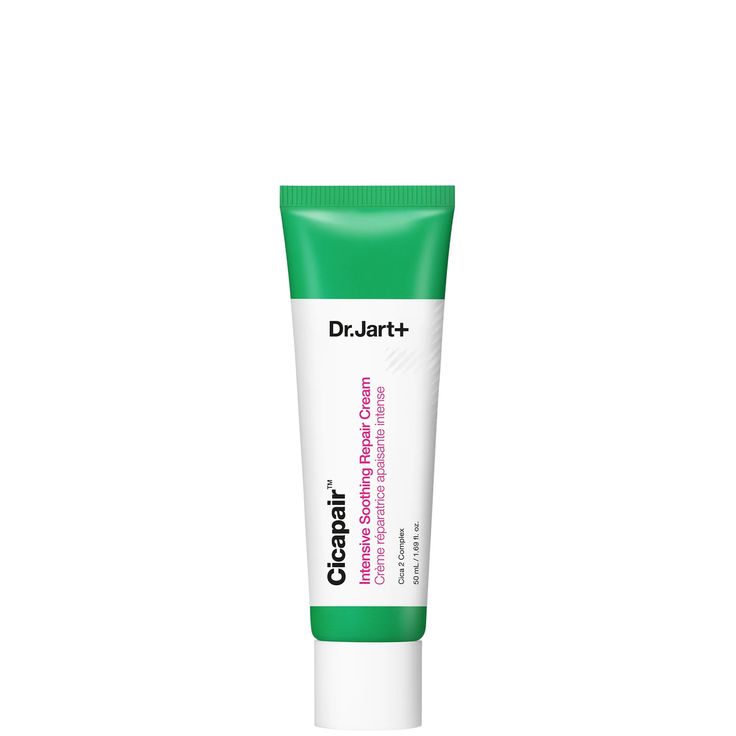
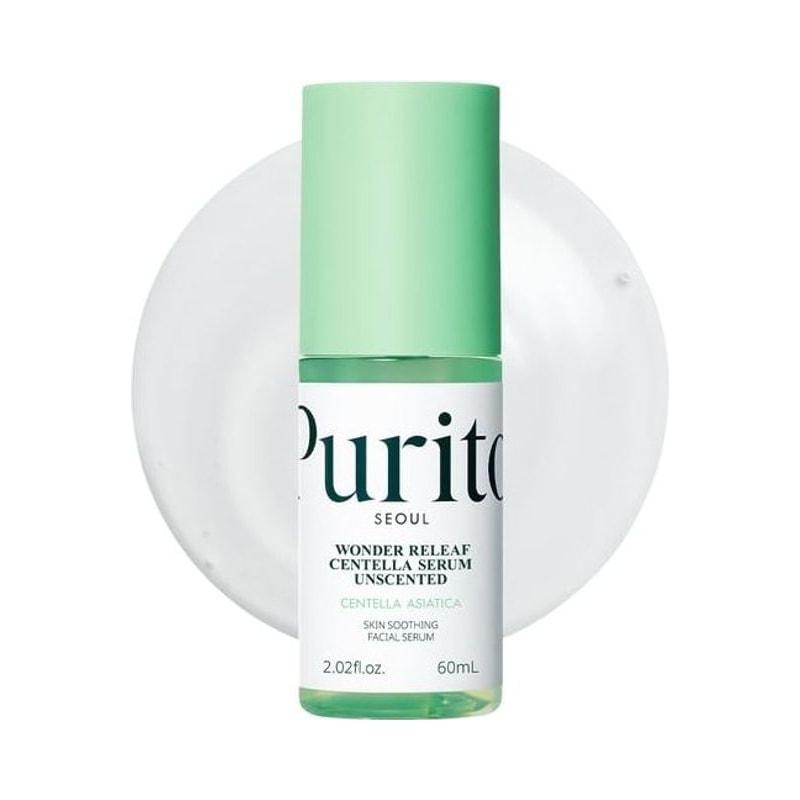
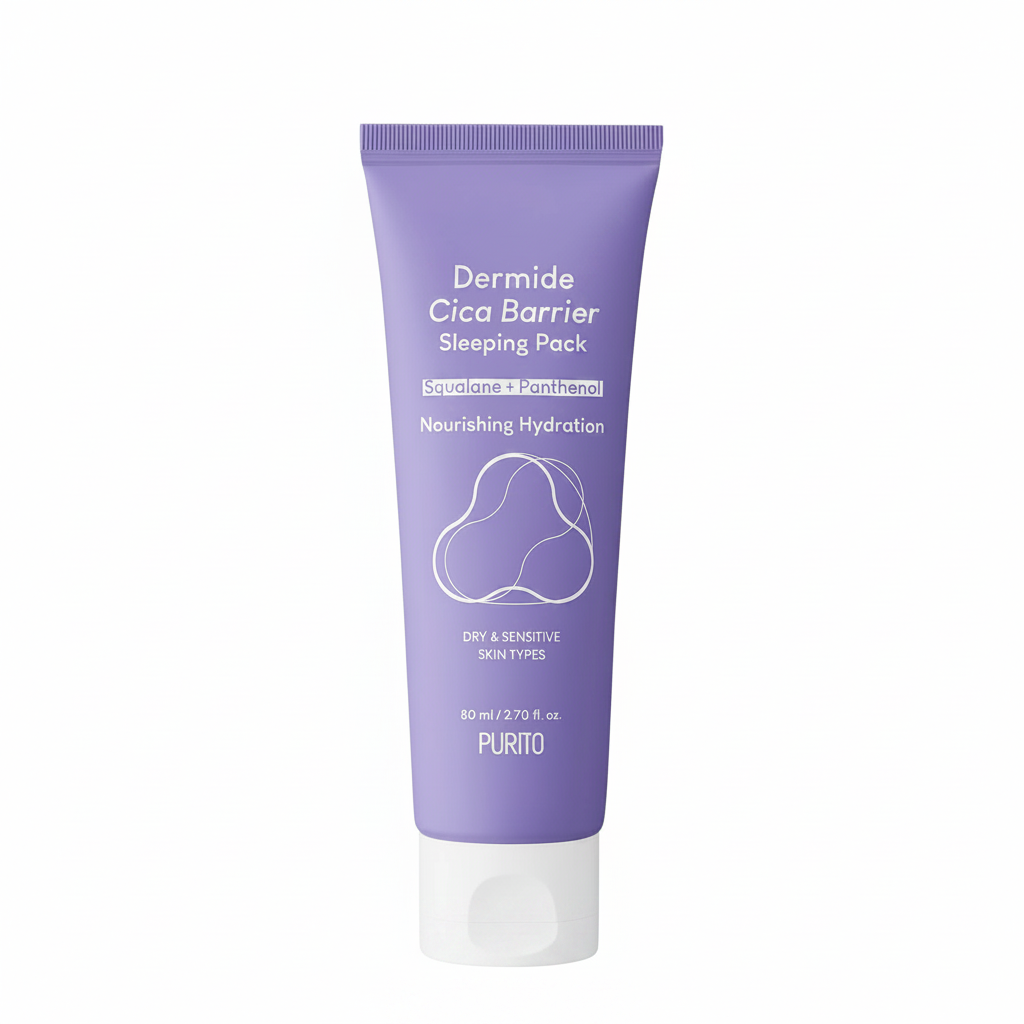
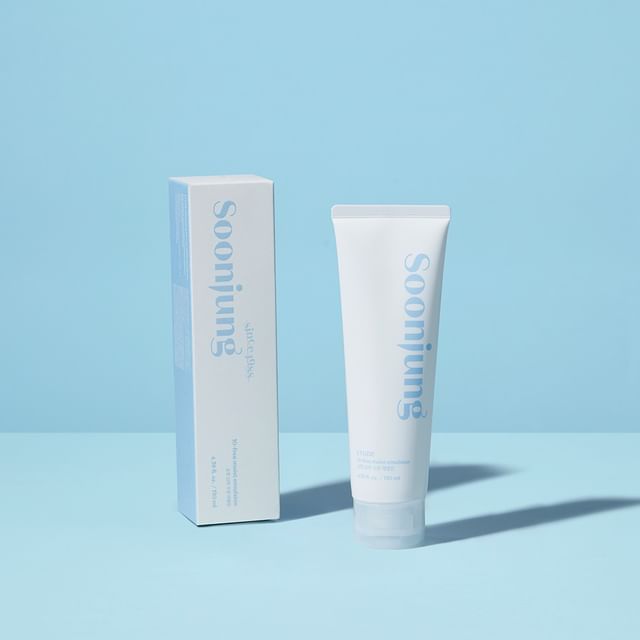
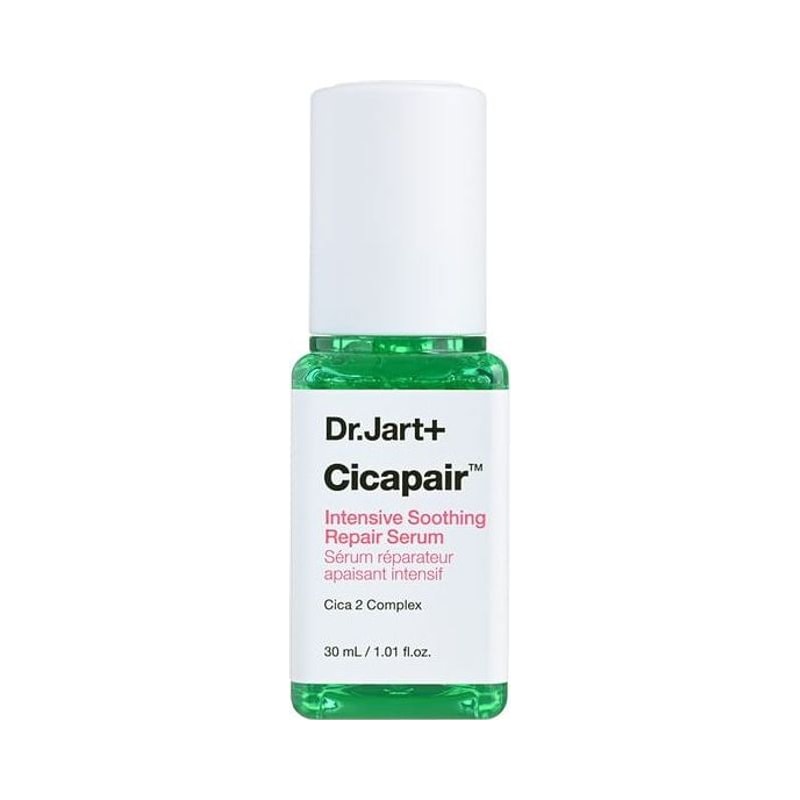
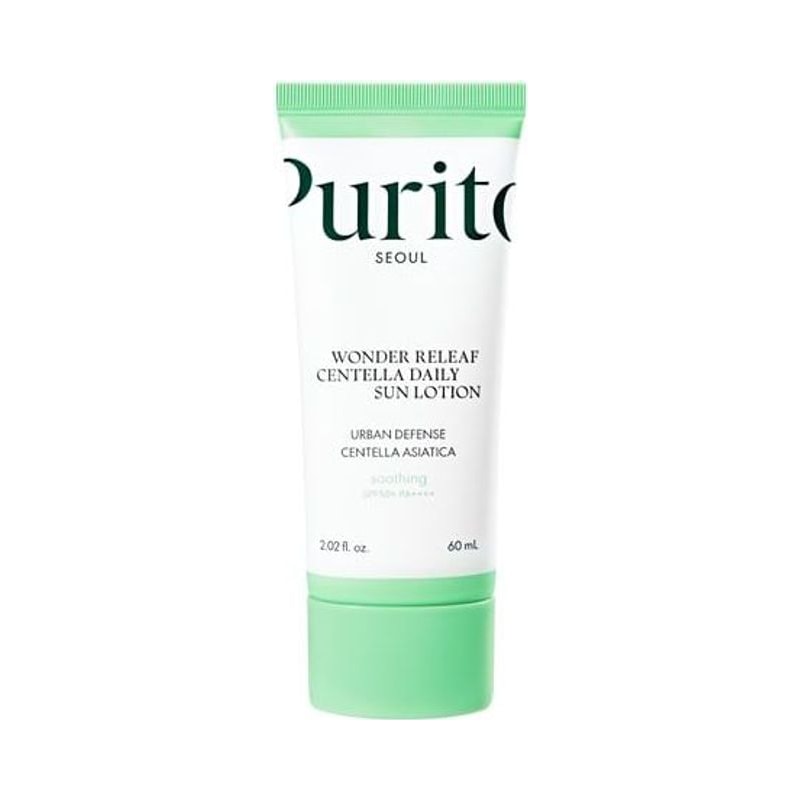
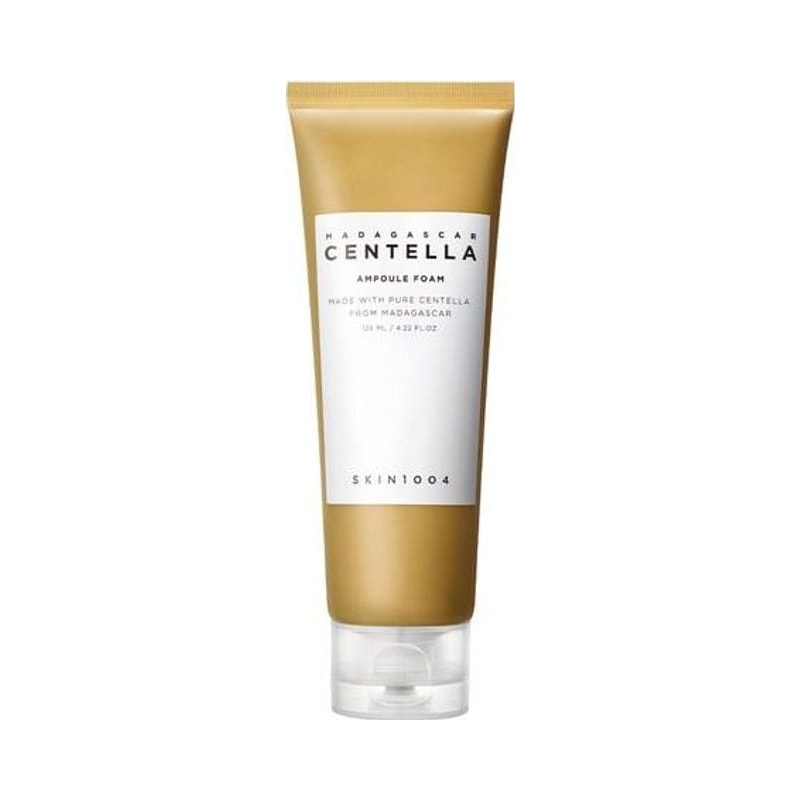
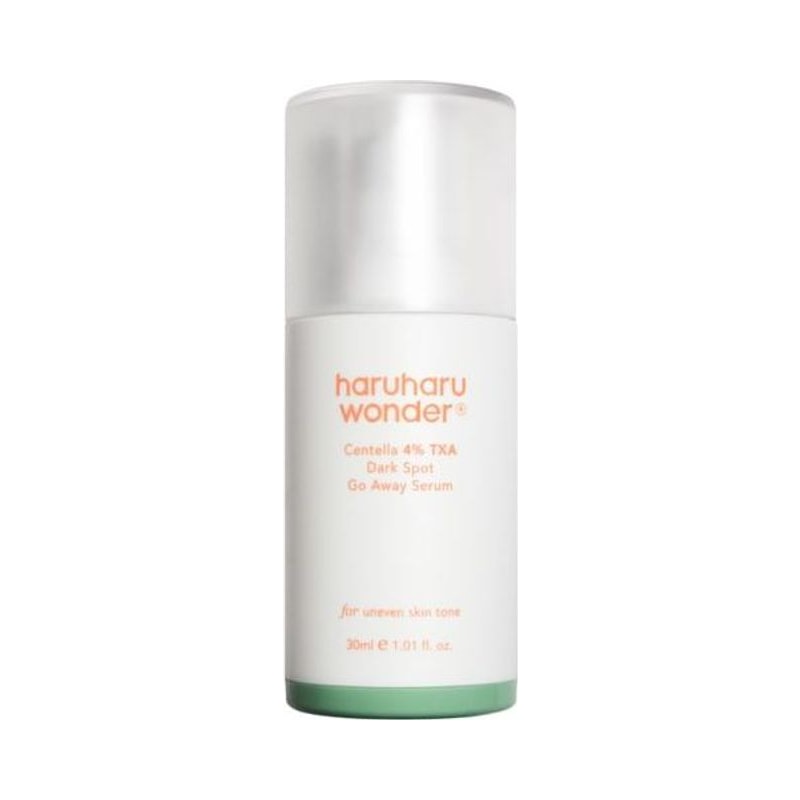
12 products available in the UK, sorted by rating.
Not sure if centella asiatica is right for your skin?
Take our 2-minute Skin Match quiz. We'll factor in your skin type, concerns, current routine, and what you're already using — and recommend whether this ingredient earns a place in your shelf.
Start the quiz →Frequently asked
What is the difference between centella and cica?
They refer to the same plant. "Cica" is a short marketing term derived from cicatrisant (French for "scar-healing") that K-beauty brands use to communicate the wound-healing positioning. Look for "Centella asiatica extract" or specific triterpenoid names (madecassoside, asiaticoside) on the INCI list — those are the actual ingredients.
How long does centella take to work?
Calming and redness reduction are noticeable within 24–48 hours. Visible barrier recovery takes 2–4 weeks of daily use. Collagen-related benefits (fine line softening, post-acne mark fading) take 8–12 weeks. If you see no calming effect within a week, the formula is probably under-dosed and a higher-concentration product is worth trying.
Is centella safe during pregnancy?
Topical centella at cosmetic concentrations is considered safe in pregnancy and breastfeeding. The molecules are too large to meaningfully cross the skin into the bloodstream. Avoid oral centella supplements during pregnancy without medical advice — those have different absorption and a less established safety profile.
Can centella replace my moisturiser?
Generally no. Centella products are usually water-light essences or serums focused on active delivery, not occlusive barrier sealing. Most skin needs both: centella for the active calming and repair, plus a moisturiser to lock in the benefit. Some richer "cica balm" formulations bridge both, but the lighter essences should be layered under a moisturiser.
Centella vs niacinamide — which should I pick?
Different jobs. Centella is the better calming/anti-inflammatory active and is more useful when your skin is actively irritated or recovering. Niacinamide is the better daily-use ingredient for pore appearance, tone evenness, and oil balance. Many people use both — niacinamide AM, centella PM, or layer them in the same routine.
Why does my cica cream not seem to do much?
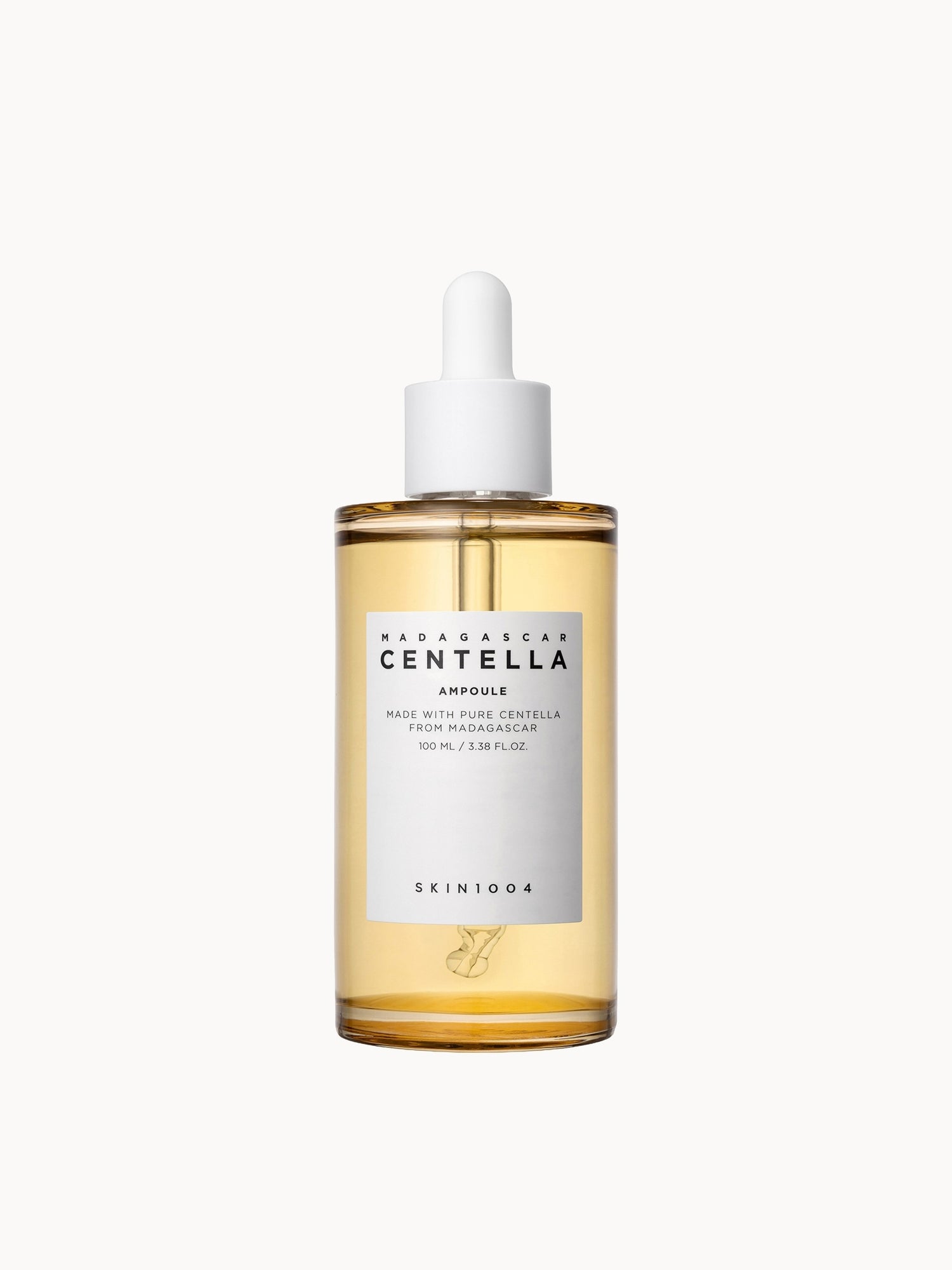
Three common reasons: (1) The product uses Centella Asiatica Leaf Water as a base rather than a standardised extract — minimal active content. (2) The product is positioned as "cica" but the centella is buried deep in the INCI list. (3) Your skin needs a higher concentration or single-molecule formulation like madecassoside. Try a product with an explicit percentage on the label (e.g. SKIN1004 Madagascar Centella Ampoule lists its centella content).
Is centella good for acne?
Centella does not kill acne bacteria or unclog pores — so it does not treat active acne directly. What it does well is reduce the redness and inflammation around active spots and accelerate fading of post-inflammatory erythema (the lingering red marks after a spot heals). Pair it with a targeted active like adapalene or salicylic acid for the underlying acne, and use centella to support recovery.
Related ingredients
Sources
Last reviewed 2026-05-17. We update this page when new peer-reviewed research changes our recommendations.
- [1]Centella asiatica in skin health and cosmeceuticals: mechanisms, clinical evidence, and advanced delivery systems (Pharmacia 2025)peer reviewed
- [2]Topical Application of Centella asiatica in Wound Healing: Recent Insights (Pharmaceutics 2024)peer reviewed
- [3]Pharmacological Effects of Centella asiatica on Skin Diseases (PMC review)review article
- [4]Actions and Therapeutic Potential of Madecassoside (MDPI Applied Sciences 2021)review article
- [5]Therapeutic properties of asiaticoside and madecassoside (PMC 2023)peer reviewed
- [6]A Systematic Review of the Effect of Centella asiatica on Wound Healing (PMC)review article