KBeautyMATCH

Ingredient Guide

Niacinamide in Korean skincare

A water-soluble form of vitamin B3 with the strongest evidence-to-marketing ratio in skincare — it does almost everything well and almost nothing dramatically.

Also known as: Vitamin B3 · Nicotinamide · Niacinamide PC (myristoyl)

30-second summary

What it is
A water-soluble form of vitamin B3 (vitamin PP). Used in dermatology for over 50 years; one of the most studied cosmetic actives in existence.
What it does
Regulates sebum output, visibly minimises pore appearance, interrupts melanin transfer from melanocyte to keratinocyte (which fades dark spots), supports the ceramide barrier, and is mildly anti-inflammatory.
Who it's for
Almost everyone. Particularly high-leverage for oily-combination skin, visible pores, post-acne dark marks, and uneven tone. One of the safest entry actives for sensitive users.
Avoid if
You react to nicotinic acid (extremely rare flushing). Some people experience purging during the first 2 weeks at higher concentrations — usually settles.
Best concentration
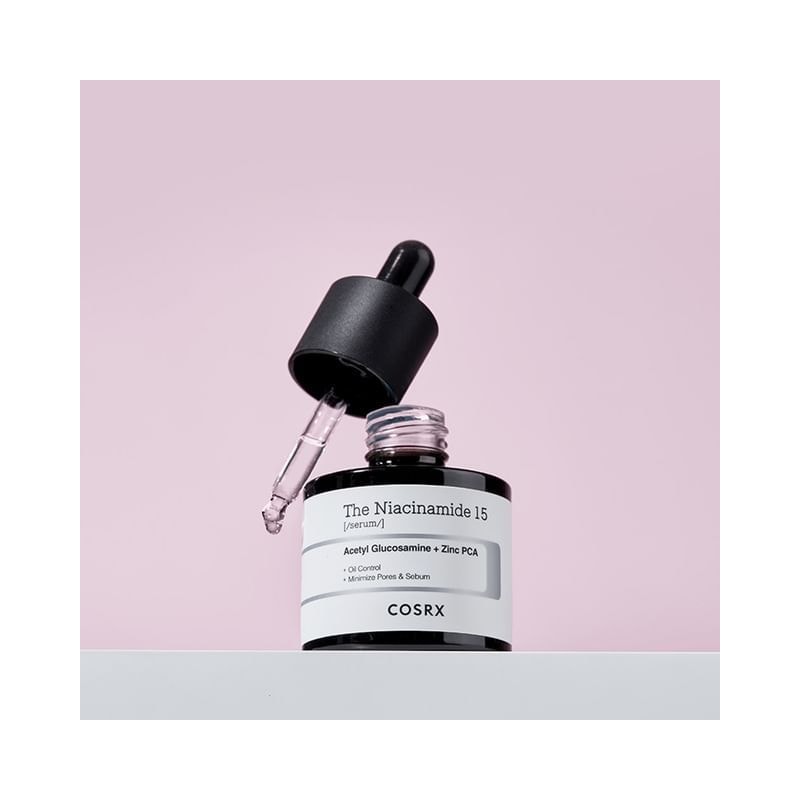
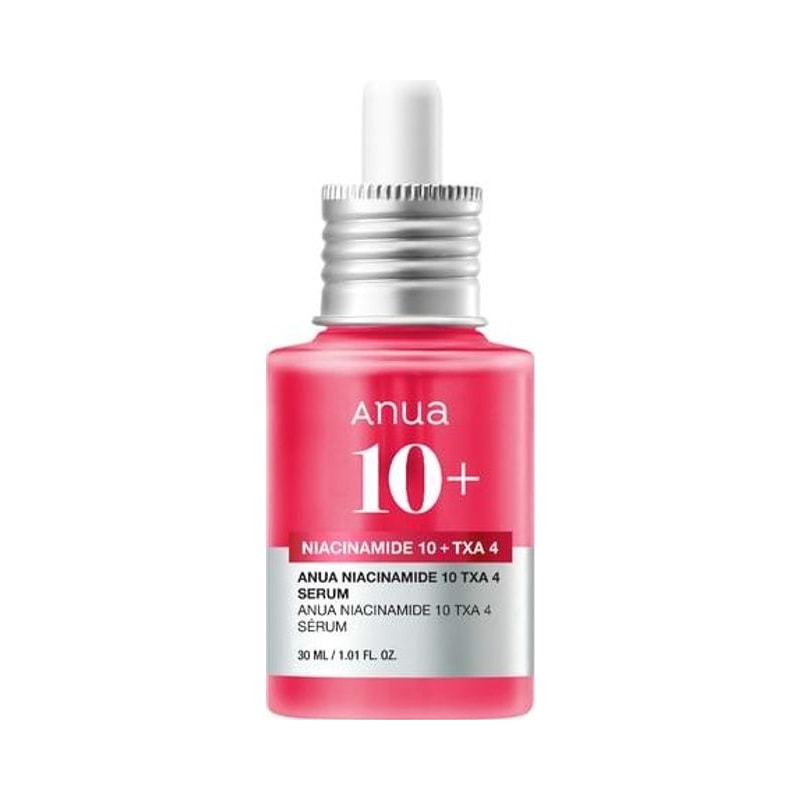
2–5% gives most of the benefit with minimal irritation risk. 10% (the K-beauty standard) modestly increases sebum control and pore appearance results but raises irritation risk in sensitive skin. Above 10%, returns flatten and irritation climbs sharply.

The science

What we actually know — and what we don't.

What niacinamide actually is

Niacinamide is the amide form of vitamin B3 — chemically identical to nicotinamide, and one metabolic step away from niacin (nicotinic acid). The skin uses niacinamide as a substrate for synthesising NAD+ and NADP+, two co-factors that drive a huge fraction of cellular metabolism including energy production, DNA repair, and the synthesis of ceramides and free fatty acids in the stratum corneum. This is why niacinamide is sometimes described as a "multi-function" active: rather than targeting one pathway like retinol or vitamin C, it tops up a substrate that the skin uses in many places. The downstream effects look like several different "claims" — pore minimisation, sebum control, brightening, barrier support — but the upstream mechanism is the same: more NAD+/NADP+ to fuel cellular work.
How it works on your skin

Five well-documented effects: 1. Sebum regulation. Niacinamide reduces sebum output via a not-fully-mapped pathway involving SREBP-1 down-regulation. Clinical effect: about 30% reduction in sebum excretion rate after 4 weeks of 2% topical use (Draelos et al., 2006). Pores don't actually shrink — they look smaller because they're less full. 2. Pigmentation interruption. Niacinamide does NOT inhibit melanin synthesis (the way kojic acid or arbutin do). Instead it blocks the transfer of melanosomes from melanocytes to keratinocytes — meaning the pigment is made but doesn't reach the visible cell layers. Effect on hyperpigmentation is gradual: 8–12 weeks for visible improvement, slower than vitamin C or hydroquinone but lower-irritation. 3. Barrier support. Niacinamide upregulates ceramide synthesis in keratinocytes — specifically ceramides 1, 3, and 6 II. Net effect: improved transepidermal water loss (TEWL) within 2–4 weeks. This is the mechanism behind its reputation for "soothing" sensitive skin. 4. Mild anti-inflammatory. Niacinamide suppresses cytokine release (IL-6, IL-8, TNF-α) at the keratinocyte level. The effect is modest — not in the same league as a corticosteroid or even centella — but enough to take the edge off rosacea and inflammatory acne over weeks. 5. Antioxidant support. As an NAD+ precursor, niacinamide indirectly fuels the NADPH-dependent antioxidant pathways. Not a primary antioxidant itself, but supportive.

The concentration question — is 10% really better?

Korean brands popularised the 10% niacinamide standard around 2018, and most Western brands have followed. Here is what the data actually says about concentration vs effect: 2% niacinamide — supports barrier and reduces redness reliably. Clinical evidence is strongest at this concentration. 4–5% niacinamide — the sweet spot for most cosmetic claims. Pore appearance, sebum regulation, and pigmentation transfer effects are all measurable in clinical trials at this range. Irritation is rare. 10% niacinamide — gives a modest additional benefit on sebum control and pore reduction (perhaps 10–15% better than 5%) but irritation risk rises noticeably. Some users report stinging, flushing, or a transient breakout phase ("purging") in the first 2 weeks. Above 10% — diminishing returns plus higher risk. The Korean brand Numbuzin's "Numbuzin No. 5 Vitamin Daily Toner" pushed niacinamide higher in a buffered formulation, but consumer feedback suggests sensitivity issues at the higher end. If you're starting out, 5% is the most defensible choice. Move up to 10% if you specifically want sebum/pore control and tolerate it well after 2–3 weeks.

The niacinamide + vitamin C myth, finally settled

For over a decade skincare forums repeated that niacinamide and vitamin C cancel each other out. This was based on a single 1960s study using pure ascorbic acid and pure nicotinamide combined at elevated temperatures (which can produce nicotinic acid via amide hydrolysis). Modern dermatology has thoroughly debunked the concern at cosmetic conditions: - At room temperature and skin pH, the conversion to nicotinic acid is negligible. - Multiple modern in-vivo studies show both ingredients retain efficacy when layered or co-formulated. - The 2026 K-beauty trend is co-formulations: products like Beauty of Joseon Glow Deep Serum contain both vitamin C derivatives and niacinamide in a stable single formula. The honest caveat: very high concentrations of both (15% vitamin C + 10% niacinamide) layered immediately can cause some users to flush, mostly via the niacin pathway. If you have reactive skin, applying them 10–15 minutes apart eliminates this minor risk. So: use them together, in either order, with a brief pause between if you want to be cautious. The myth is dead.

In Korean skincare specifically

Why this ingredient is a K-beauty signature, and how the major brands differ.

Why niacinamide became central to K-beauty

Niacinamide's K-beauty story is interesting because it is not a uniquely Korean ingredient — it is one of the most globally used cosmetic actives — but Korean formulators were the first to popularise the 10% concentration as a consumer product. Western drug-counter brands like Olay had used 4–5% for years; The Ordinary's 10% niacinamide launched in 2017 broke the price barrier in the West; Korean brands then doubled down on 10% as a "essential" daily active and built entire product lines around it. The cultural fit makes sense. Korean skincare emphasises long-term skin quality over short-term dramatic effects, and niacinamide is exactly that kind of ingredient — slow, broad, low-risk, well-evidenced. It pairs naturally with the layered routine, sliding into the toner, essence, ampoule, or moisturiser step without disrupting anything else.

Korean niacinamide product archetypes worth knowing

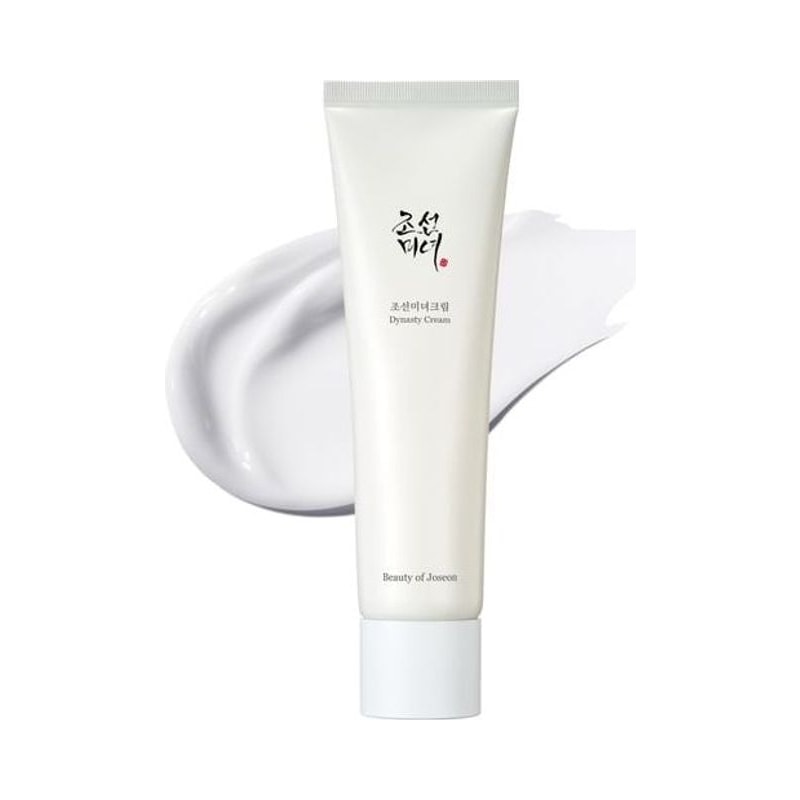
Three formats dominate, each with a different use case: Pure-active essences like Numbuzin No. 5 Vitamin-Niacinamide Concentrated Serum and TirTir's Niacinamide LHA Toner. These target users who want maximum effect — 10% concentration, minimal supporting actives. Best for visible pores and uneven tone, but introduce slowly. Multi-active "glow" serums like Beauty of Joseon Glow Deep Serum (rice + arbutin + niacinamide) and Some By Mi Galactomyces + Niacinamide Toner. These stack niacinamide at 2–5% with synergistic brighteners (rice ferment, arbutin, vitamin C derivatives). Better for daily use, easier for sensitive skin, slightly less dramatic on any single concern. Niacinamide-spiked moisturisers — appearing in most Korean barrier creams (COSRX, Round Lab, Etude, Innisfree) at 2–3% as a barrier-support adjunct rather than a hero. The effect is real but slow; the value here is consistent daily exposure. If you are choosing one product: a 5% niacinamide essence is the highest-leverage starter. If you want it bundled with brighteners and a richer routine, a multi-active glow serum. If you just want quietly better barrier function without changing your routine, a niacinamide-spiked moisturiser is the lowest-friction option.

Who it's good for

Niacinamide is the closest thing skincare has to a universal recommendation. It addresses several common concerns at once with a strong safety profile and decades of clinical evidence. The downsides are real but minor: slower visible effect than retinoids or vitamin C, occasional purging at 10%+ concentrations, and the genuine difficulty of evaluating which of its several effects is working in any given user.

Skin types

oilycombinationnormalacne pronesensitivedry

Concerns it addresses

enlarged poresoilinesspost acne-markshyperpigmentationuneven tonebarrier damagefine linesredness

Age range: High value at every age from teens (sebum control) through 30s+ (tone evenness, mild anti-ageing) into 50s+ (barrier support, NAD+ adjunct).

Who should avoid

Niacinamide is one of the best-tolerated cosmetic ingredients in existence. Adverse reactions are rare and usually mild (transient stinging, occasional purging at the start of use). Pregnancy and breastfeeding use is considered safe at cosmetic concentrations — niacinamide is even given orally in pregnancy for several medical indications.

  • ·Known reaction to nicotinic acid (causes flushing — extremely rare with cosmetic niacinamide)
  • ·Active rosacea flare — start at 2–4% rather than 10% to avoid triggering
  • ·First-trimester pregnancy with no prior tolerance history — patch test before introducing

Layering guide

Niacinamide is essentially anywhere-in-the-routine flexible — it tolerates being applied before or after most other actives. The most common patterns: Morning: cleanse → toner → vitamin C (if used) → niacinamide → moisturiser → SPF Evening: cleanse → toner → retinol (if used) → niacinamide → moisturiser If your niacinamide product is an essence or toner, slot it earlier (after cleansing toner, before actives). If it is a serum or ampoule, slot it after thinner products. If it is in your moisturiser, you do not need to think about layering — just apply the moisturiser as normal.

Vitamin C

Layer freely

The cancel-out myth is debunked. Apply either order; if you use both at very high concentration, wait 10 minutes between to minimise any flushing.

Retinol / retinoids

Layer freely

Excellent pairing. Niacinamide mitigates retinoid irritation and supports the barrier the retinoid is challenging. Apply retinol first to dry skin, wait 5 min, then niacinamide.

AHA / BHA

Wait 10–20 min

Apply acid first, wait 15–20 minutes, then niacinamide. They are compatible but the acid needs time at its working pH.

Hyaluronic acid

Layer freely

Layer either order. HA on damp skin first, then niacinamide on top, is the most common pattern.

Snail mucin

Layer freely

Strong pairing. Niacinamide first (it is more sensitive to layering order), snail to seal in.

Centella

Layer freely

Synergistic — centella calms, niacinamide refines tone and pore appearance. Apply centella first.

Peptides

Layer freely

Layer freely. Peptides are pH-flexible and niacinamide is neutral.

Benzoyl peroxide

Wait 10–20 min

BP can oxidise niacinamide. Apply BP first, wait 10 minutes, then niacinamide — or use them in opposite AM/PM routines.

Not sure if niacinamide is right for your skin?

Take our 2-minute Skin Match quiz. We'll factor in your skin type, concerns, current routine, and what you're already using — and recommend whether this ingredient earns a place in your shelf.

Start the quiz →

Frequently asked

Can I use niacinamide with vitamin C?

Yes. The "they cancel each other out" claim is a debunked myth based on outdated 1960s lab conditions that do not apply to cosmetic skincare. Modern formulations including many K-beauty products combine them deliberately. Use them in either order; if you have reactive skin and both products are at high concentration, wait 10 minutes between layers.

Is 10% niacinamide better than 5%?

Modestly, for specific use cases. 10% gives slightly stronger sebum control and pore-appearance results than 5%, but irritation risk also rises. 5% gives most of the benefit with minimal risk; 10% is worth it if you specifically want oil control or visible pore minimisation and tolerate it well. Above 10%, returns flatten and irritation climbs sharply — there is no clinical reason to go higher.

How long does niacinamide take to work?

Barrier support and reduced redness in 2–4 weeks. Sebum and pore appearance changes in 4–8 weeks. Pigmentation fading in 8–12 weeks. If you see no change after 12 weeks of consistent use, the concentration is probably too low or another active is needed alongside (retinol for serious anti-ageing, vitamin C for faster pigmentation).

Why am I breaking out after starting niacinamide?

Three possible causes. (1) "Purging" — niacinamide can accelerate cellular turnover slightly in the first 2 weeks, surfacing existing micro-comedones. This settles. (2) Other irritating ingredients in the formula (fragrance, alcohol, silicones if you are reactive to them). (3) A true allergy, which is rare — patch test to rule out. If breakouts persist past 4 weeks, the product is probably not working for you.

Is niacinamide safe during pregnancy?

Yes. Niacinamide is one of the more pregnancy-safe cosmetic actives — it is even given orally in pregnancy for certain medical indications. Topical use at cosmetic concentrations has no documented pregnancy concerns. Avoid the rare combo products that pair niacinamide with retinol or salicylic acid above 2%.

Does niacinamide actually shrink pores?

No. Pore size is largely genetic and does not change with topical skincare. What niacinamide does is reduce sebum production, so pores appear less stretched and less visible. The effect is real and measurable in clinical trials but the pores themselves are the same size — they just look better.

Niacinamide vs retinol — which should I pick?

Niacinamide first, retinol later. Niacinamide is the easier, lower-risk starting point and addresses pores, tone, and barrier. Retinol is the heaviest-evidence anti-ageing active but requires careful introduction. Many routines use both: niacinamide as a daily foundational active, retinol 2–4 times per week for collagen and turnover. They layer well together.