KBeautyMATCH

Ingredient Guide

PDRN in Korean skincare

A fragment of purified salmon DNA that activates the adenosine A2A receptor on your skin cells — a clinical-grade regenerative ingredient making the jump from Korean dermatology clinics to consumer skincare.

Also known as: Polydeoxyribonucleotide · Salmon DNA · Salmon sperm DNA · Polynucleotides (PN) · Sodium DNA

30-second summary

What it is
Short DNA fragments extracted and purified from salmon reproductive cells (sperm or trout milt). Used in Korean dermatology as an injectable since 2009 (under brands like Rejuran Healer) and increasingly available in topical skincare since 2022–23.
What it does
Activates the adenosine A2A receptor on skin cells, which triggers fibroblast proliferation, collagen synthesis, reduced inflammation, and improved blood flow. Separately, fragments are recycled into the cell's own DNA repair via the salvage pathway.
Who it's for
Mature skin (35+) wanting clinical-grade regenerative support, post-procedure recovery (laser, microneedling, peels), and anyone with thinning skin or visible loss of elasticity. The fastest-growing K-beauty category in 2026.
Avoid if
You have a known fish allergy (PDRN is purified to remove proteins but trace contamination is theoretically possible). You strongly prefer vegan skincare. Injectable PDRN should only be done by a qualified clinician.
Best concentration
Topical PDRN concentrations are not yet standardised the way niacinamide is. Look for products that name the PDRN source (e.g. "0.5% PDRN from salmon" or "1% sodium DNA") rather than vague "with salmon extract" claims. 0.5–2% topical is the current effective range.

The science

What we actually know — and what we don't.

What PDRN actually is

PDRN stands for polydeoxyribonucleotide — a polymer of deoxyribonucleotides, which is to say short DNA fragments. The skincare grade is extracted from the reproductive cells of cold-water salmon or trout (most commonly Oncorhynchus species), then put through high-temperature purification that breaks down all proteins, peptides, and other biological material, leaving only the DNA strands themselves. The end-product is a sterile, low-allergenic powder or aqueous solution. Salmon DNA was chosen for two reasons. First, the genetic sequence is highly conserved across species — salmon DNA fragments are structurally very similar to human DNA fragments at the nucleotide level, so the body recognises them as a familiar substrate rather than a foreign protein. Second, salmon reproductive tissue is a high-yield, low-cost source of intact DNA. Both factors made it the practical choice when Korean pharmaceutical company PharmaResearch was developing the first injectable formulation in the 2000s. The product that launched the category in Korea is Rejuran Healer, an injectable polynucleotide preparation administered by dermatologists since 2014. By 2026, Rejuran-style injections are one of the most commonly performed aesthetic procedures in Korea, and the consumer-side response has been to chase the same active in topical form.

How it works on your skin

Two distinct mechanisms, both well-supported in the peer-reviewed literature: 1. Adenosine A2A receptor activation. When PDRN encounters cells in the skin, it binds to the adenosine A2A receptor on the cell surface. This receptor, when activated, triggers a cascade that: - Increases fibroblast proliferation (more cells making collagen and elastin). - Promotes collagen type I and III synthesis. - Reduces production of pro-inflammatory cytokines (TNF-α, IL-1β, IL-6). - Improves microcirculation by promoting endothelial growth factor (VEGF) release. This is the same receptor that caffeine antagonises in your brain — adenosine signalling is fundamental cellular machinery, and PDRN essentially uses it as a "repair-mode" switch in skin. 2. The salvage pathway. PDRN fragments are broken down further by skin enzymes into individual nucleotides (the building blocks of DNA). Those nucleotides are then absorbed by surrounding cells and used as raw material for the cells' own DNA repair and replication. The body doesn't need to synthesise nucleotides from scratch — it can salvage them from PDRN. This is energy-efficient and accelerates the rate at which cells can grow and divide. The combination of these two mechanisms — receptor signalling plus substrate provision — is why PDRN has a noticeably different feel from purely signalling actives like peptides. It is doing two things at once.

Topical vs injectable — the honest difference

This is the most important honesty point about PDRN in skincare. Injectable PDRN (Rejuran and competitors) puts purified DNA fragments into the dermal layer where the receptors and fibroblasts live. Topical PDRN has to navigate the stratum corneum first. DNA fragments are large molecules (~50–1500 base pairs in clinical PDRN), and they do not readily cross intact skin. So topical PDRN works via three partial mechanisms: Surface barrier signalling. Even at the stratum corneum level, PDRN fragments provide some adenosine receptor activation on the outermost cell layers. Penetration via compromised skin. On skin recovering from a procedure, on micro-fissures, or after acid exfoliation, PDRN penetrates significantly more. This is why topical PDRN is often recommended as a post-procedure recovery product. Carrier-enhanced delivery. Some 2026 formulations pair PDRN with delivery systems — liposomes, microneedle patches, or encapsulation in hyaluronic acid networks — that meaningfully improve penetration. These are the formulations worth paying for if you want topical PDRN to do real work. Honest summary: topical PDRN delivers a fraction of the effect of injectable Rejuran, and the magnitude of effect depends heavily on formulation. The best topical products perform like a strong peptide serum; the weakest are essentially marketing. Look for delivery technology claims, not just "with PDRN".

What the studies show

Strongly supported (injectable): - Increased dermal thickness over 8–12 weeks of treatment series (Lee et al., 2017). - Wrinkle depth reduction, particularly periorbital and perioral. - Improved skin elasticity (cutometric measurements). - Post-procedure recovery time reductions of 30–50% vs untreated controls. Reasonably supported (topical): - Post-procedure erythema reduction. - Hydration improvement within 4 weeks. - Modest fine-line softening over 8–12 weeks (smaller effect than injectable). Under-supported (topical): - Claims of "DNA-level rejuvenation" from a cream alone. - Equivalence to injectable Rejuran from any topical product. - "Reversal" of established deep wrinkles or photoaging. The five-year post-marketing surveillance of injectable PDRN covering over 300,000 prescriptions in Korea found no immune reactions and no significant adverse events, which is an unusually clean safety profile. The 2025 MDPI Applied Sciences review by Park et al. is the best current overview of the molecular mechanisms.

In Korean skincare specifically

Why this ingredient is a K-beauty signature, and how the major brands differ.

Why PDRN is the breakout K-beauty ingredient of 2025-26

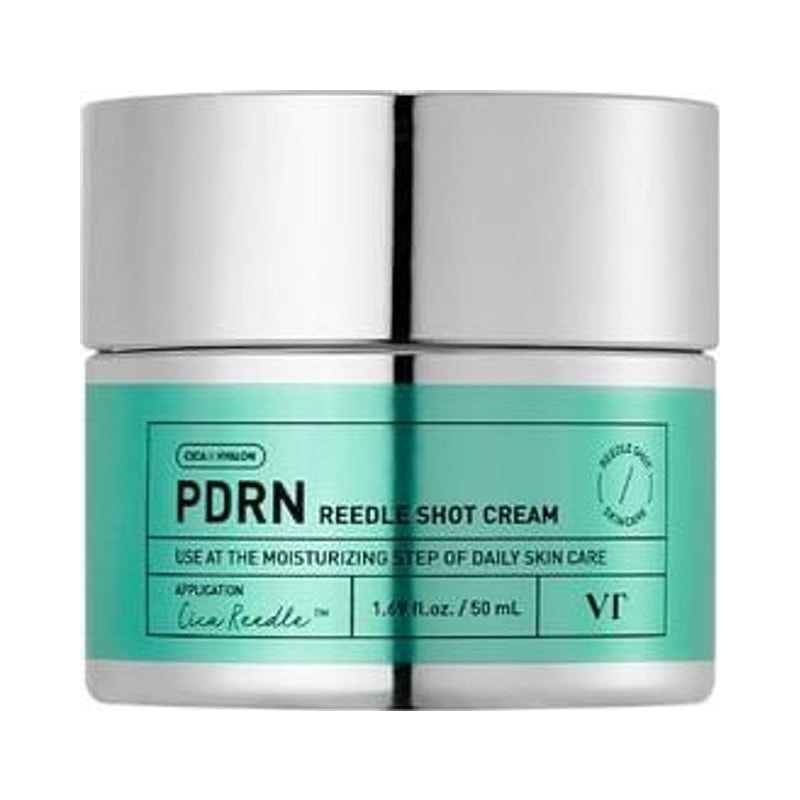
PDRN is the rare K-beauty ingredient that arrived in topical skincare from the clinic side rather than the consumer side. Korean dermatology has been using injectable PDRN since 2014, when Rejuran Healer was launched. The procedure became wildly popular — at one point Korean clinics were performing more PDRN injections than Botox — and consumer demand for an at-home version of the experience was building for years before formulators could meaningfully address it. The breakthrough came around 2023, when delivery technologies (liposomal encapsulation, hyaluronic acid carriers, microneedle patches) made it possible to deliver enough PDRN through intact skin to claim some of the benefits without the needle. Korean indie brands like Medicube, VT, Cremorlab, and Numbuzin moved first; by 2025 essentially every major K-beauty house had a PDRN product line. By mid-2026 PDRN has overtaken centella as the K-beauty trend with the steepest year-over-year growth in UK and EU search volume. This is important context: PDRN is at the early-mover stage in Western markets. SEO competition is low, consumer awareness is high (especially via TikTok), and the right content can capture meaningful organic traffic before the category saturates.

The Korean PDRN brands worth knowing

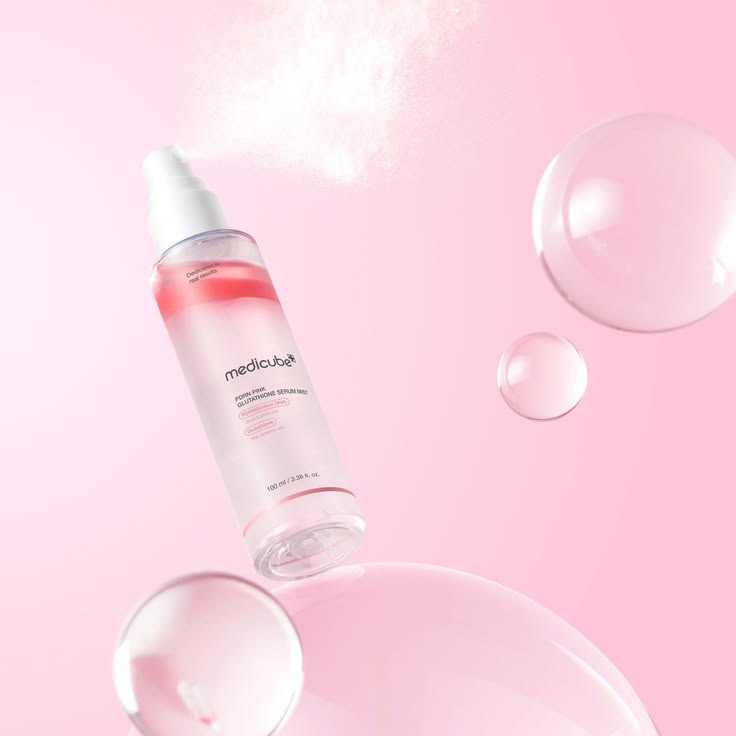
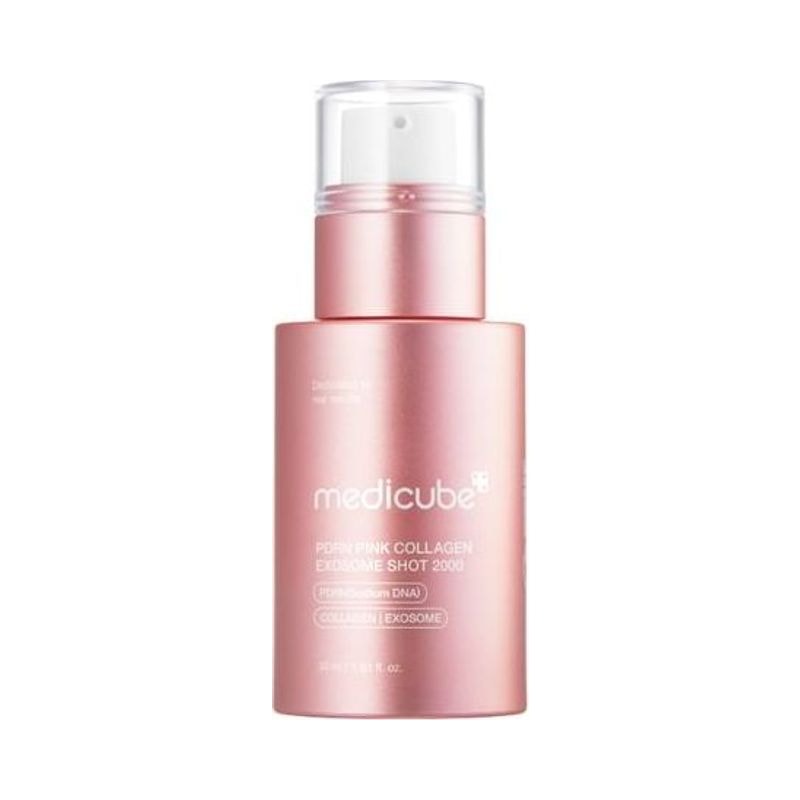
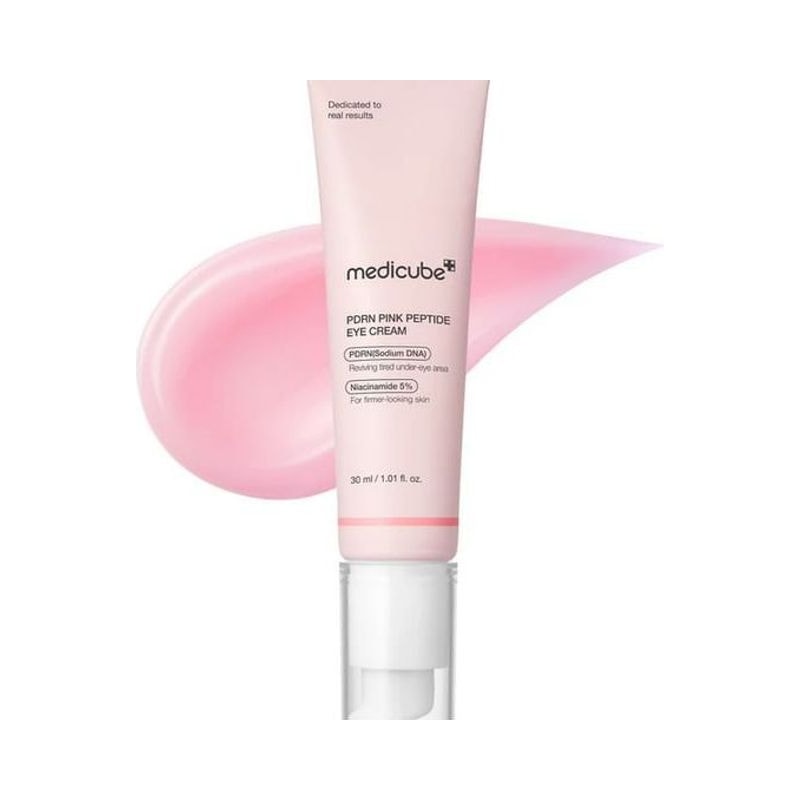
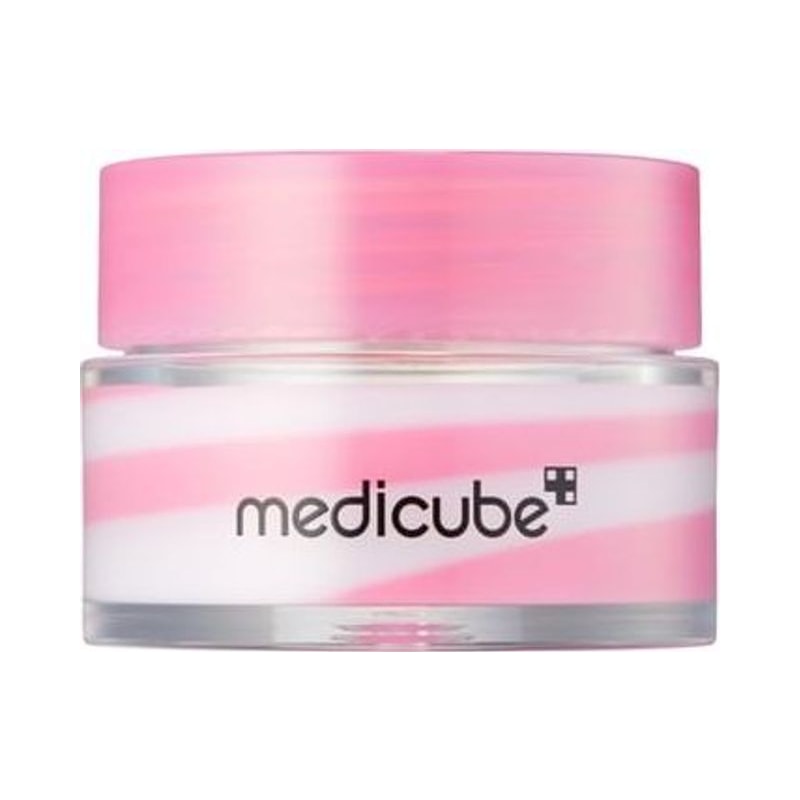
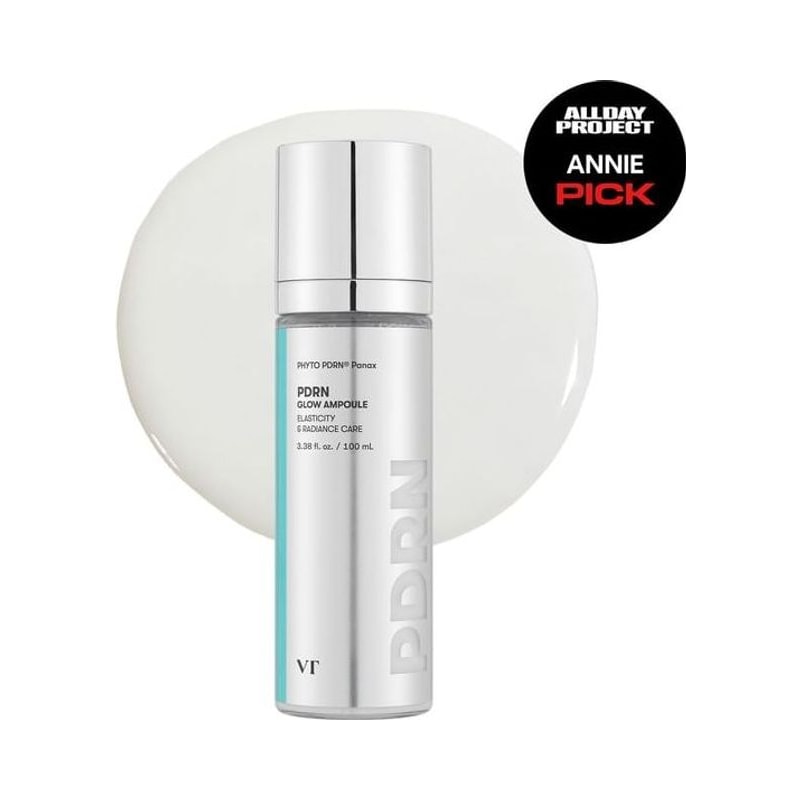
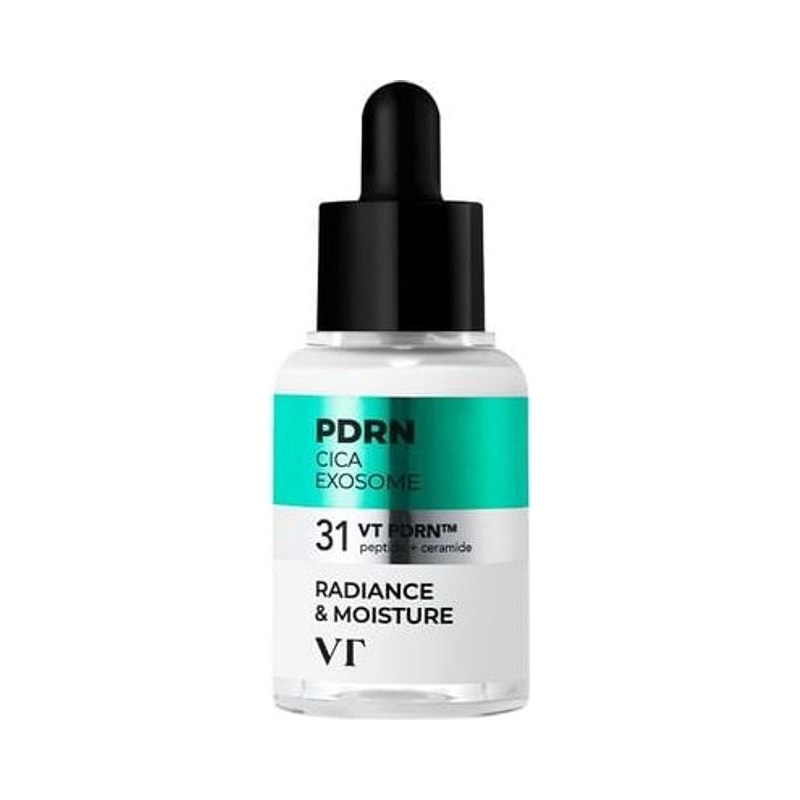
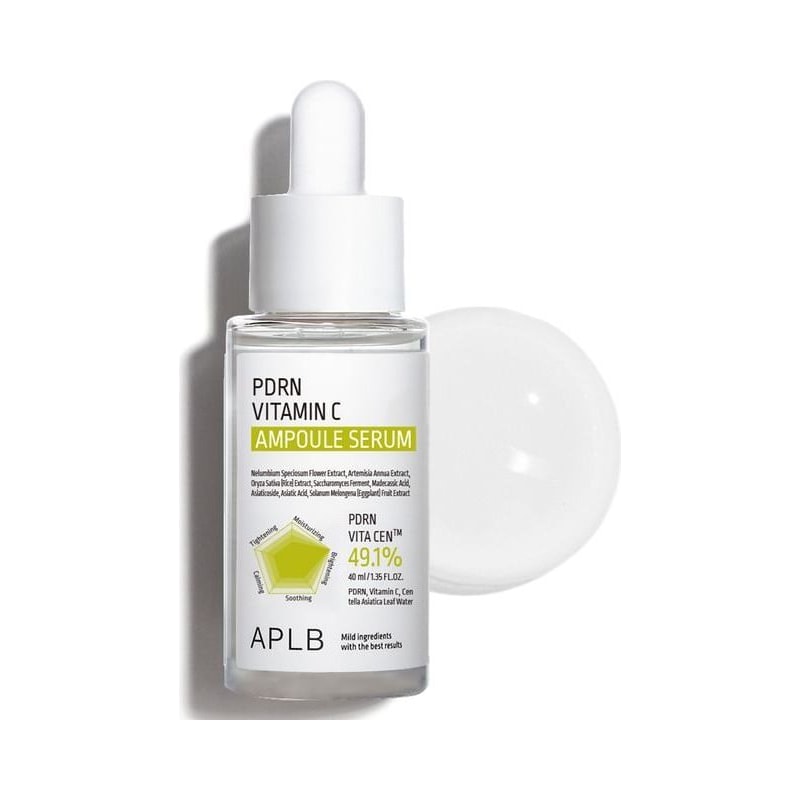
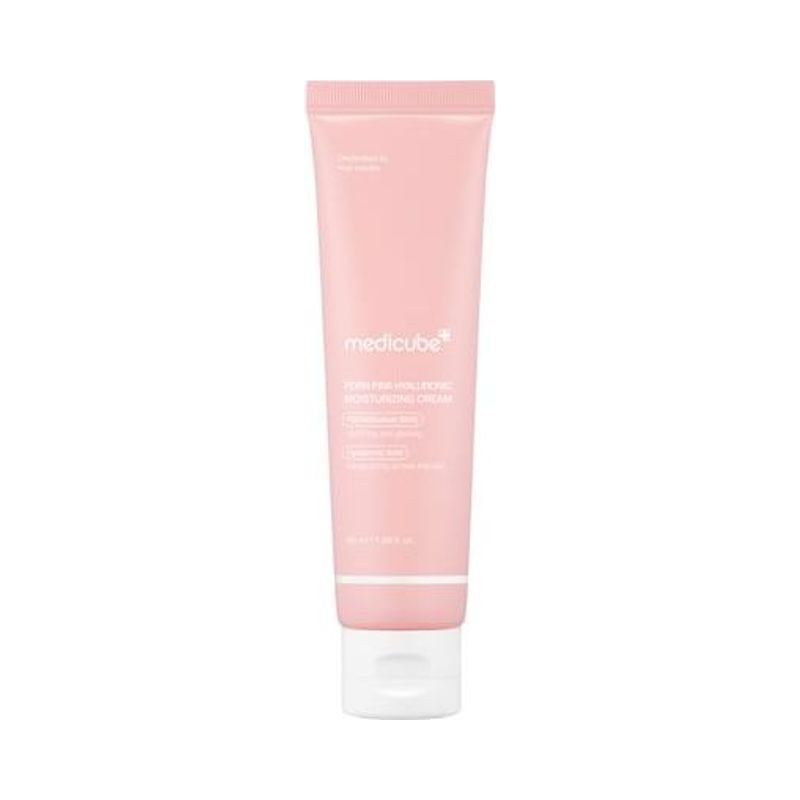
Medicube PDRN Pink Collagen line — the most-marketed K-beauty PDRN range in 2026. The Pink Peptide Collagen Capsule Cream pairs PDRN with peptides and elastin. Good entry-level introduction; texture leans rich. VT Cica PDRN line — VT (Vie de Trois) is the Korean brand most invested in clinical-grade topical PDRN. Their Cica Daily Soothing PDRN line uses a higher concentration than most consumer products, with liposomal delivery. Often the "step up" recommendation for users who tried Medicube and want more. Cremorlab PDRN Repair Cream — clinical-leaning, fragrance-free, minimalist formulation. Less marketing, more substance. Often recommended by Korean dermatologist YouTubers. Numbuzin No. 5 PDRN Glow Serum — pairs PDRN with niacinamide and arbutin for a brightening-plus-regenerative effect. Useful if you want PDRN as part of a multi-active routine rather than a single hero product. Rejuran Skinbooster Cream — the consumer line from PharmaResearch, the company behind the original injectable. Strong brand authority; the formulation is conservative but their PDRN source quality is reliable. If you are starting with PDRN and have not yet tried injectables, Cremorlab is the cleanest scientific entry. If you want the recognised TikTok brand, Medicube. If you have used Rejuran injections and want an at-home maintenance product, the Rejuran Skinbooster Cream is the natural pick.

Who it's good for

PDRN delivers a clinical-grade regenerative mechanism that becomes increasingly relevant as natural cellular turnover slows with age. It is genuinely useful for mature skin and post-procedure recovery, but it is also one of the most expensive K-beauty actives — so the recommendation is to use it when the underlying biology calls for it, not as a default daily active in your 20s.

Skin types

maturethinningnormaldrysensitivepost procedure

Concerns it addresses

fine linesloss of-elasticitypost procedure-recoverythinning skinphotoagingrednessbarrier damage

Age range: Highest leverage from 35+ where the regenerative claims overlap with what skin actually needs. Below 30, the cost-to-benefit is rarely justified vs simpler actives. Below 25, do not start.

Who should avoid

Topical PDRN has an unusually clean safety record — the 300,000+ injectable doses surveyed in Korea showed essentially no immune reactions, and topical delivery is even less likely to trigger anything. The main reasons to skip it are ethical (animal-derived, like snail mucin), economic (it is expensive for the magnitude of effect at the topical level), or age-related (it is genuinely wasted on healthy 20-something skin).

  • ·Known fish or shellfish allergy (modern PDRN is purified to remove proteins, but if you have a severe allergy patch test extensively or avoid)
  • ·Strict vegan or animal-free skincare preference
  • ·Active broken skin or open wounds without medical supervision (use injectable PDRN only via a clinician)
  • ·Pregnancy without consulting a clinician (PDRN is generally considered low-risk topically but data are limited)

Layering guide

PDRN sits in the serum or ampoule step, after toner, before moisturiser. Typical evening routine for mature skin: gentle cleanse → toner → PDRN serum → moisturiser → facial oil (optional) For post-procedure recovery, PDRN is often the *only* active for the first week — applied morning and evening on otherwise minimal skin, supported by a gentle barrier moisturiser. As the skin re-epithelialises, slowly reintroduce other actives. For age-management routines, PDRN works well in alternation with retinol: PDRN one night, retinol the next. This rotates the regenerative load and tends to give better tolerability than stacking both on the same evening.

Snail mucin

Layer freely

Strong pairing — both regenerative. Apply PDRN first to clean skin (it is the more delicate active), then snail mucin to seal.

Niacinamide

Layer freely

Stacks well: PDRN drives cell-level repair, niacinamide handles tone and barrier. Apply PDRN first.

Centella

Layer freely

Common pairing for post-procedure routines. Centella calms while PDRN repairs.

Peptides

Layer freely

Layer freely. PDRN and peptides act on different signalling pathways and are synergistic.

Retinol / retinoids

Wait 10–20 min

Use in opposite routines (retinol PM, PDRN AM, for example). Both demand cellular work — pairing in the same routine over-loads the regenerative pathway and increases irritation risk.

Vitamin C

Wait 10–20 min

Use vitamin C first in AM, wait 15 minutes, then PDRN. The pH gap can disrupt PDRN stability.

AHA / BHA

Use opposite routine

Avoid same-routine layering. Acids strip the surface; let PDRN work on intact skin. Use acids in opposite routines.

Hyaluronic acid

Layer freely

Excellent carrier. HA-based products often enhance PDRN penetration; apply HA on damp skin, then PDRN.

K-beauty products with pdrn

1 product available in the UK, sorted by rating.

Not sure if pdrn is right for your skin?

Take our 2-minute Skin Match quiz. We'll factor in your skin type, concerns, current routine, and what you're already using — and recommend whether this ingredient earns a place in your shelf.

Start the quiz →

Frequently asked

Is topical PDRN as effective as injectable Rejuran?

No, not close. Injectable PDRN delivers DNA fragments directly into the dermal layer where they activate fibroblasts; topical PDRN has to cross the stratum corneum, which it does poorly. The best topical PDRN products deliver perhaps 10–20% of the magnitude of effect of an injectable, with most of the benefit accruing on compromised or post-procedure skin. If you want clinical-level regeneration, injectable Rejuran via a qualified clinician is a different category of intervention.

Is PDRN actually salmon sperm?

Yes — derived from salmon reproductive cells (sperm or trout milt). The high-temperature purification process removes proteins and other biological material, leaving only the DNA. This is why it is generally well-tolerated even by users with fish allergies, though patch testing is sensible. Some formulations now use trout-derived sources to differentiate marketing-wise, but the molecule is essentially the same.

How long does PDRN take to work?

Hydration and post-procedure calming within 1–2 weeks. Subtle elasticity and tone improvements at 4–8 weeks. Visible fine-line softening (with consistent use of a well-formulated product) at 8–12 weeks. If you are coming off injectable Rejuran treatment, topical PDRN extends the recovery and maintenance window — but it does not replicate the procedure.

Is PDRN vegan?

No. PDRN is derived from salmon or trout reproductive cells and is unambiguously animal-derived. There is no plant or synthetic source for true PDRN. If you want a vegan alternative for regenerative claims, growth factor analogues like EGF (sh-oligopeptide-1) or copper peptides are the closest mechanistic match.

Can I use PDRN every day?

Yes, daily use is fine and is how most studies were conducted. The economic limit is more likely than the biological limit — well-formulated PDRN products are expensive, and many users alternate PDRN nights with simpler routines to extend product life. For post-procedure recovery, use twice daily for the first 1–2 weeks then taper to once daily.

PDRN vs peptides — which is better?

Different mechanisms. Peptides are signalling molecules that tell skin cells to behave in specific ways (produce collagen, relax muscle activity, etc.). PDRN provides both a signal (via A2A receptor) and raw material (via the salvage pathway). PDRN is broader; peptides are more targeted. Stacking is genuinely useful — PDRN drives baseline regenerative activity, peptides direct specific outcomes.

Will topical PDRN work on younger skin?

Yes biologically — the mechanism is the same — but the cost-to-benefit is poor. Skin in the 20s already turns over and produces collagen efficiently; the additional regenerative signal from PDRN is wasted. Save it for when you have a specific need: serious post-procedure recovery, post-30s elasticity loss, or as part of a clinic-prescribed routine.

Why is PDRN so expensive?

Two reasons. First, the extraction and purification process is genuinely intensive — sterile, pharmaceutical-grade processing to remove all protein contamination. Second, the category is in early-adopter pricing; as more brands enter the space the price floor is likely to come down. Compare against the cost-per-effect of a peptide serum and a good barrier moisturiser; if you can't justify both, the peptide serum is usually the better entry choice.