KBeautyMATCH

Ingredient Guide

Heartleaf in Korean skincare

A Korean medicinal herb (eoseongcho) whose polyphenolic flavonoids calm acne-prone, oily, redness-flushed skin — the 2024–26 K-beauty viral ingredient that actually has the clinical data to back it up.

Also known as: Houttuynia cordata · Eoseongcho (어성초) · Fish mint · Chameleon plant · Yu Xing Cao

30-second summary

What it is
A herbaceous plant (Houttuynia cordata) traditional to Korean and Chinese medicine for over a thousand years. The Korean name "eoseongcho" (어성초) literally translates to "fish-smell grass" — the fresh leaves have a faintly fishy aroma, which is removed during cosmetic extraction.
What it does
Reduces redness via NF-κB inhibition (same pathway as centella), suppresses sebum output, and shows direct antibacterial activity against P. acnes via its quercetin and quercitrin content.
Who it's for
Oily and combination acne-prone skin, redness-flushed sensitive skin, anyone whose skin produces excess sebum but also reacts to harsh acne actives. The current go-to K-beauty calming ingredient for the under-30 demographic.
Avoid if
You have a known allergy to plants in the Saururaceae family. Some people with very dry skin find heartleaf-heavy toners drying when used too frequently.
Best concentration
Look for at least 50% heartleaf extract on the label for visible effects. Anua's 77% set the category benchmark; products at 30% or less are mostly marketing claims unless paired with other actives.

The science

What we actually know — and what we don't.

What heartleaf actually is

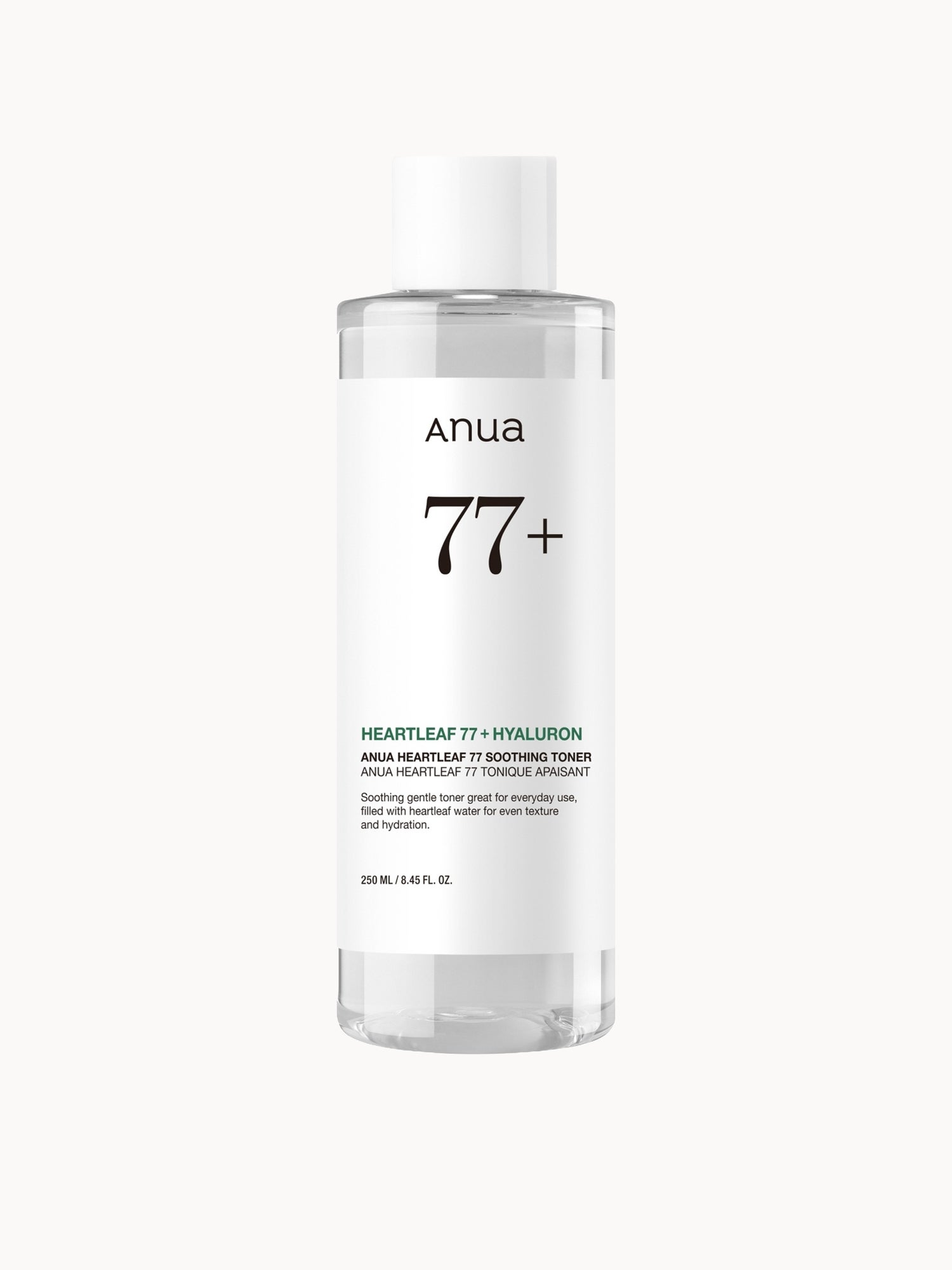
Houttuynia cordata is a low-growing herb native across East Asia, including Korea, Japan, China, and parts of southern India. In Korean traditional medicine it has been brewed as a tea for centuries to "cool" inflammation — both internally (for fever, infection) and externally (as a poultice for skin conditions). It earned its Korean name eoseongcho (어성초, literally "fish-smell grass") from the volatile compounds in the fresh leaves that give them a distinctly fishy aroma. For cosmetics, the leaves and stems are harvested, dried, and either water-extracted or fermented to concentrate the active phenolic compounds. The cosmetic-grade extract has the fishy aroma removed by a distillation step, so the final product on shelves smells faintly herbal and grassy, not unpleasant. The viral 2023–24 moment for heartleaf was driven almost single-handedly by Anua's Heartleaf 77% Soothing Toner reaching TikTok escape velocity — a clear-bottle, alcohol-free, fragrance-free, 77% heartleaf extract toner that became the K-beauty product Western consumers under 30 most often reached for as a daily essential.
How it works — the four key flavonoids

Heartleaf's clinical action comes primarily from four polyphenolic flavonoids present at meaningful concentration in the extract: Quercetin — the most studied flavonoid in skincare. Strong NF-κB pathway inhibitor; reduces production of pro-inflammatory cytokines (TNF-α, IL-1β, IL-6). Also a respectable antioxidant. Quercetin is what does most of the heartleaf "calming" effect over hours to days. Quercitrin — quercetin's glycoside form (with a sugar molecule attached). Adds direct antibacterial activity against Cutibacterium acnes (the acne bacterium). This is the molecule most responsible for heartleaf's reputation as a "natural acne treatment" — the effect is real but modest. Hyperoside — another flavonoid glycoside, primarily anti-inflammatory and antioxidant. Synergises with quercetin on the NF-κB pathway. Rutin — the most water-soluble of the four. Strengthens capillary walls (reducing the visible redness of dilated facial blood vessels) and adds another layer of antioxidant protection. Together these four make heartleaf functionally similar to centella in its calming effect, but with the added antibacterial and sebum-regulating benefits that centella lacks. This is why heartleaf is often the preferred calming ingredient for oily-acne-prone skin, while centella is preferred for dry-sensitive skin.

What the studies show

Houttuynia cordata has a decent peer-reviewed evidence base, mostly from Korean and Chinese dermatology and traditional medicine journals: Well-supported: - Antibacterial activity against C. acnes in laboratory studies, including biofilm disruption. - Anti-inflammatory effect on irritated skin (redness reduction within 24–72 hours of topical use). - Sebum output reduction in oily-skin clinical trials (typically 20–30% reduction over 4 weeks). - Antioxidant activity from the polyphenol content. Reasonably supported: - Improvement of mild-to-moderate acne severity scores over 8–12 weeks of consistent use (as an adjunct to standard care, not a primary treatment). - Calming effect on photo-damaged skin via the polyphenol Nrf2 pathway. Not well-supported: - "Replacing" prescription acne treatments. Heartleaf supports — it does not replace adapalene or benzoyl peroxide for moderate-to-severe acne. - Cystic acne management — the antibacterial effect is too modest for inflammatory cystic lesions. - Pore-shrinking claims — the apparent pore reduction comes from sebum control, not actual pore size change. The 2024 Korean Society of Cosmetic Dermatology review concluded that heartleaf is one of the few "natural" actives with a strong enough mechanistic basis to be recommended as an adjunct in acne and rosacea routines.

In Korean skincare specifically

Why this ingredient is a K-beauty signature, and how the major brands differ.

Why heartleaf became K-beauty's 2024 moment

Heartleaf had been in Korean skincare for a decade before Anua's 77% Soothing Toner made it a global phenomenon in late 2023. The Korean indie brand Anua bet on a single ingredient at a high concentration in a minimalist alcohol-free formulation, and the TikTok algorithm rewarded the simple before-and-after redness videos that the product enabled. By mid-2024 it had become the K-beauty product most-frequently-bought by Western Gen-Z consumers entering Korean skincare for the first time. What made the moment last past the initial viral spike is that the product genuinely works for its target audience — oily, acne-prone, sensitive skin — at a price point under £20. Repeat purchase rates remained high after the initial TikTok hype faded, which is the test most viral cosmetics products fail. By 2026 essentially every major K-beauty brand has launched at least one heartleaf product, but the category remains relatively young — formulation innovation is happening in real time, and the best products do not always have the loudest marketing.

The heartleaf brands worth knowing in 2026

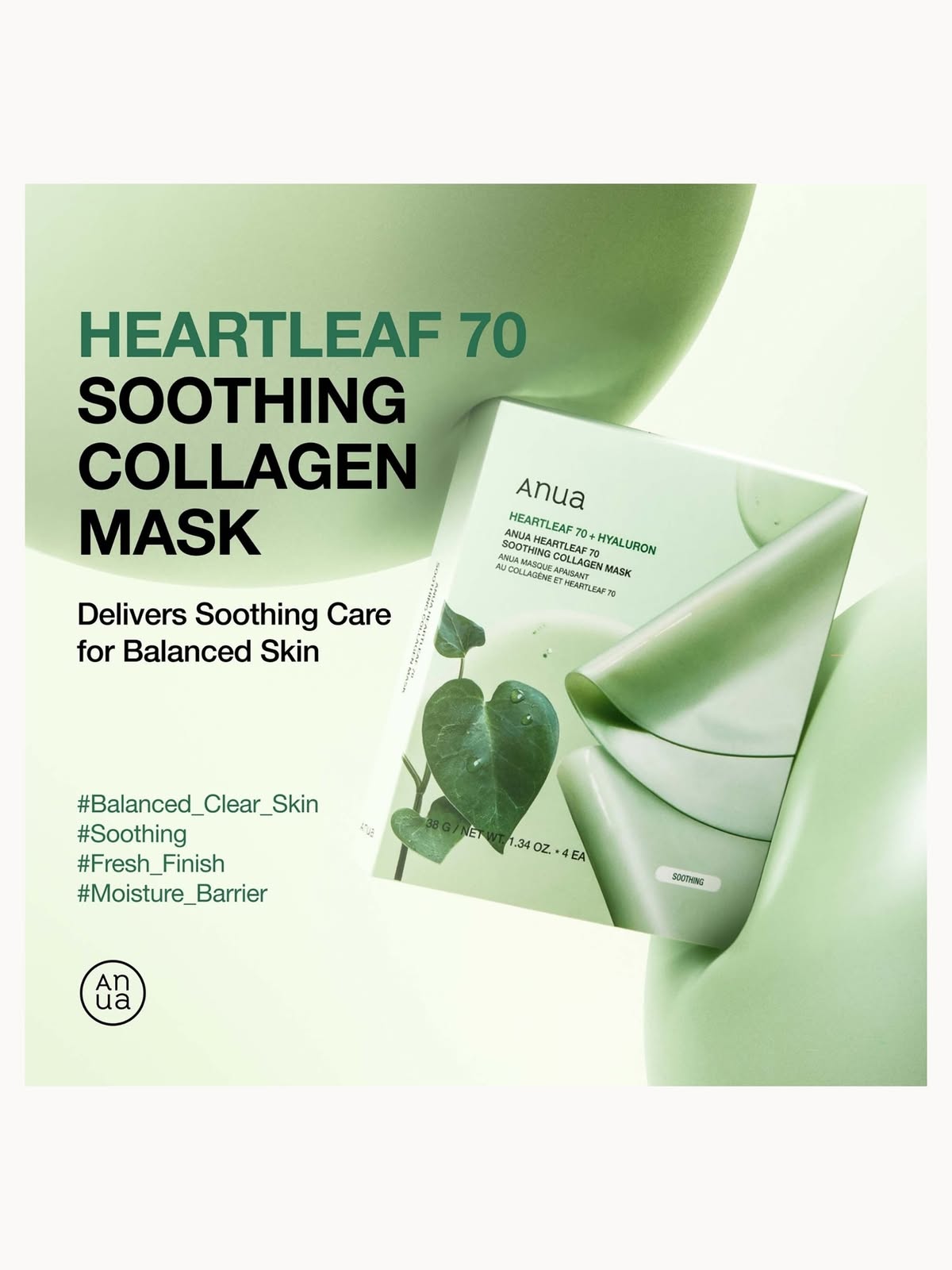
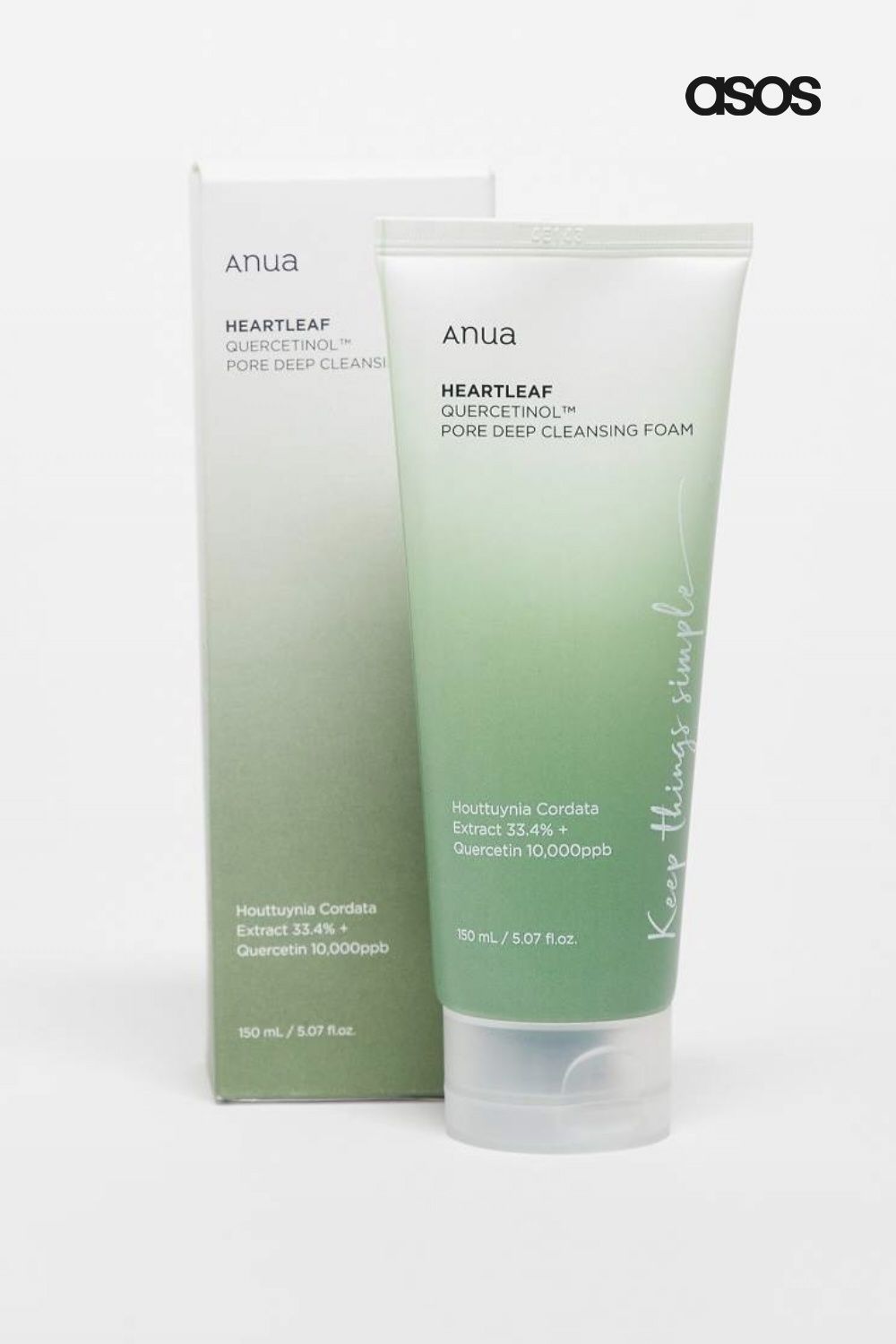
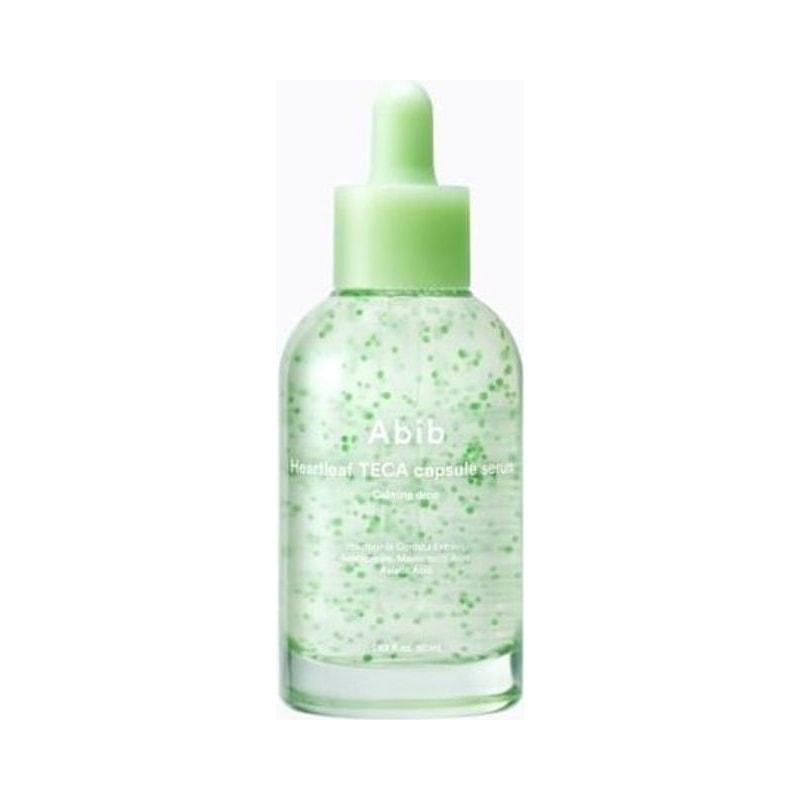
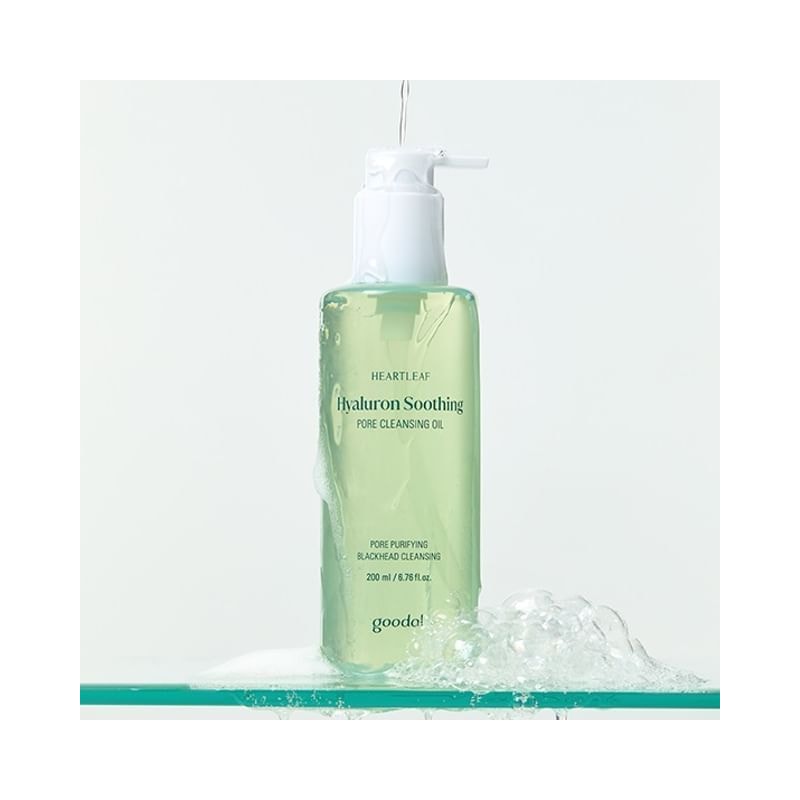
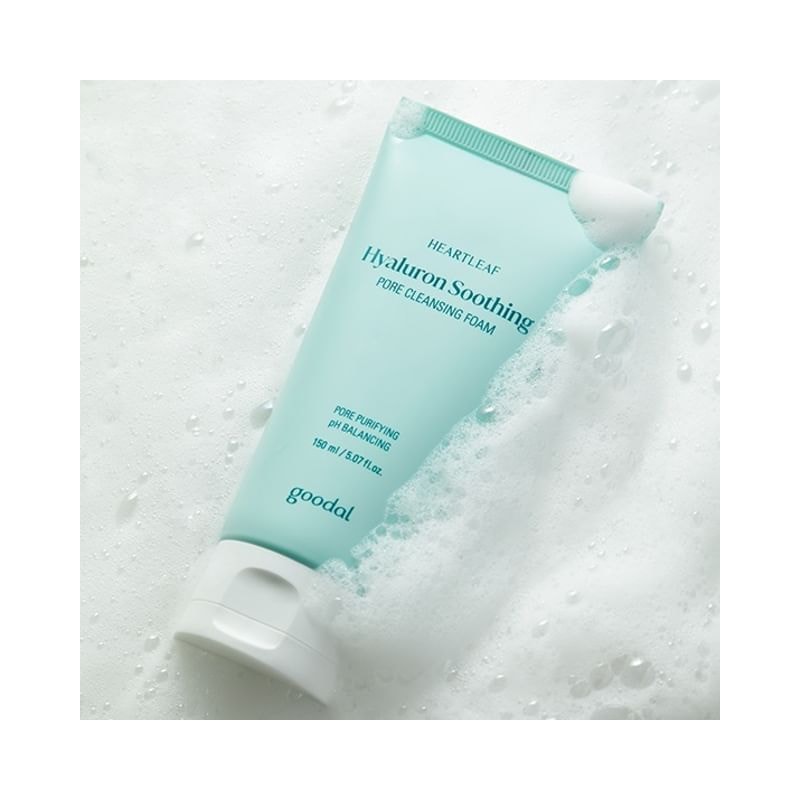
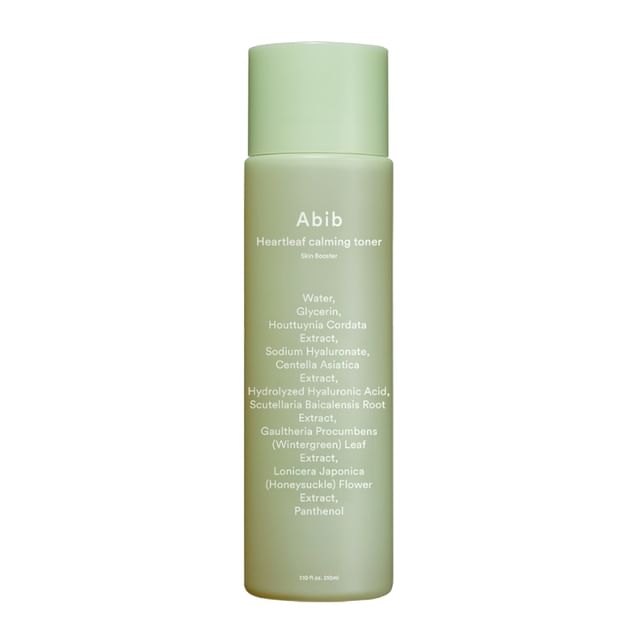
Anua Heartleaf 77 line — still the category-defining brand. The 77% Soothing Toner is the entry. The Heartleaf Quercetinol Pore Deep Cleansing Foam pairs heartleaf with quercetin isolate for stronger acne support. The 80% Moisture Soothing Cream extends the line for dry-but-acne-prone skin. Consistent quality, transparent INCI, fragrance-free. Reliable. Abib Heartleaf Spot Pad — exfoliating pads (not just heartleaf in solution). Pair heartleaf with 4% PHA/LHA for active exfoliation while calming. Better for users wanting a more interventional product than Anua's gentle daily toner. Numbuzin No. 3 Skin Softening Serum — heartleaf as one of multiple "softening" actives, including PHA and arbutin. Layered approach; lower heartleaf concentration but more functions per product. Cosrx Pure Fit Cica-Heartleaf Cream — pairs heartleaf with centella for stacked calming. Slightly richer texture than Anua's 80% Moisture Soothing Cream. Good for sensitive oily skin in colder months. Skin1004 Heartleaf line (newer 2025) — Skin1004 brought their Madagascar Centella approach to heartleaf, sourcing high-grade Korean-grown heartleaf and standardising flavonoid content on the label. Most scientifically transparent option. If you are trying heartleaf for the first time, the Anua 77% Toner is still the unambiguous starting point. If you specifically have inflammatory acne, the Abib Spot Pad. If you have sensitive skin needing more moisture, the Cosrx or Anua 80% cream.

Who it's good for

Heartleaf is a near-perfect fit for the under-35, oily-acne-prone, redness-flushed consumer — the largest demographic entering K-beauty from Western markets. It is one of the few "natural" ingredients with mechanism evidence strong enough to make it a primary calming active rather than a marketing addition.

Skin types

oilycombinationacne pronesensitiverosacea proneredness prone

Concerns it addresses

acneoilinessrednesspost acne-rednessenlarged poresbarrier damagesebum imbalance

Age range: Highest leverage in the late teens through 30s when the combination of sebum control and acne support is most useful. Less essential past 40 unless you still have acne or rosacea.

Who should avoid

Heartleaf is well-tolerated; reaction rates are very low. The most common issue is users with very dry skin finding heartleaf toners drying when over-applied, which is a routine-balancing issue rather than an ingredient problem. Pregnancy and breastfeeding safety is considered fine at cosmetic concentrations.

  • ·Known allergy to the Saururaceae plant family (Houttuynia is the most common cultivated member)
  • ·Very dry skin that finds astringent calming toners drying — patch test before daily use
  • ·Severe cystic or nodular acne that needs prescription intervention (heartleaf is an adjunct, not a treatment)

Layering guide

Heartleaf typically arrives in toner form, which means it sits early in the routine — right after cleansing, before serums and actives. A typical oily-acne-prone evening: cleanse → heartleaf toner → BHA serum (alternate nights) → niacinamide → light moisturiser For morning, heartleaf works under sunscreen and pairs well with niacinamide. Some heartleaf products are gels, creams, or pads instead of toners — the routine slot stays similar (always before heavier products) but the texture may suit dry-acne-prone skin better.

Centella

Layer freely

Same anti-inflammatory family. Excellent stack for severely inflamed skin but redundant for routine use — pick one as hero.

Snail mucin

Layer freely

Strong pairing: heartleaf calms, snail repairs. Apply heartleaf toner first, snail essence after.

Niacinamide

Layer freely

Excellent combo for oily-acne skin. Heartleaf toner first, niacinamide serum after.

BHA / salicylic acid

Layer freely

Apply BHA first (needs low pH to work), wait 10 minutes, then heartleaf to calm any sting. This is one of the best pairings for active acne.

Retinol

Layer freely

Heartleaf is gentle enough to layer with retinol. Retinol first to clean skin, wait 5 min, then heartleaf toner.

Vitamin C

Wait 10–20 min

Apply vitamin C first, wait 10–15 minutes, then heartleaf. Avoid layering vitamin C and heartleaf immediately to prevent any pH disruption.

Benzoyl peroxide

Layer freely

BP can dry; heartleaf afterwards soothes. No chemical incompatibility.

Tretinoin / prescription retinoids

Wait 10–20 min

Apply tretinoin first, wait 20+ minutes, then heartleaf as a buffering step before moisturiser.

Not sure if heartleaf is right for your skin?

Take our 2-minute Skin Match quiz. We'll factor in your skin type, concerns, current routine, and what you're already using — and recommend whether this ingredient earns a place in your shelf.

Start the quiz →

Frequently asked

Heartleaf vs centella — which is better?

Different jobs. Centella is the calming/anti-inflammatory active that suits dry, sensitive, and rosacea-prone skin. Heartleaf adds sebum regulation and direct antibacterial activity, making it the better choice for oily and acne-prone skin. Both work via the NF-κB pathway, so layering them is fine but slightly redundant — pick one as your daily hero.

Does the Anua Heartleaf 77 toner actually work?

For its target audience — oily, acne-prone, redness-flushed skin — yes. Most users report visibly calmer skin within 1–2 weeks of consistent use. It is not a miracle product for cystic acne or severe rosacea; it is a daily calming and sebum-regulating toner that earns its viral reputation by being genuinely useful for the largest skin-type demographic. If your skin is very dry or you have no acne or redness concerns, the effect will be more subtle.

Can I use heartleaf for acne?

Yes, as an adjunct ingredient. Heartleaf has direct antibacterial activity against *C. acnes* (the acne bacterium) and reduces the inflammation around active spots, but the effect is modest compared to prescription treatments like adapalene or oral antibiotics. Use heartleaf alongside a primary acne treatment — it makes the rest of your routine more tolerable and accelerates recovery from individual spots.

How long does heartleaf take to work?

Redness and irritation reduction within 1–2 weeks. Sebum and oiliness changes within 4 weeks. Acne improvement (as an adjunct) within 8–12 weeks of consistent use alongside your primary acne treatment. If you see no change after 12 weeks, the concentration is probably too low.

Why does my heartleaf toner smell faintly fishy?

The Korean name eoseongcho literally means "fish-smell grass" — fresh heartleaf leaves have a distinctly fishy aroma from their volatile compounds. Cosmetic-grade extract usually has this removed via distillation, but a faint residual herbal smell is normal and indicates the extract has not been heavily refined or fragranced over. The Anua 77% toner has minimal residual smell; some other brands lean heavier on the natural aroma.

Is heartleaf safe during pregnancy?

Topical heartleaf at cosmetic concentrations is considered safe in pregnancy and breastfeeding. Avoid oral heartleaf supplements during pregnancy without medical advice — topical and oral use have different safety profiles. As always with any new product in pregnancy, patch test before introducing to face.

Can I use heartleaf every day?

Yes, twice daily if your skin tolerates it. The most common heartleaf product format (toner) is designed for everyday use. The only adjustment is to dial back if you notice the toner becoming drying on your skin — some heartleaf extracts have a mild astringent effect that can over-do it on dry-acne-prone skin.

Sources

Last reviewed 2026-05-17. We update this page when new peer-reviewed research changes our recommendations.

  1. [1]Anua Heartleaf 77% Soothing Toner Review 2026 (knok Global)editorial
  2. [2]Heartleaf (Houttuynia Cordata): Why K-Beauty Is Obsessed Right Now (The Glow Pick)editorial
  3. [3]Anua Heartleaf 77% Soothing Toner ingredients explained (Incidecoder)editorial