Ingredient Guide
Hyaluronic Acid in Korean skincare
The hydration ingredient your skin already makes — and the most-misunderstood one in skincare. The conversation that actually matters in 2026 is molecular weight, not whether to use it.
Also known as: Sodium hyaluronate · HA · Low-molecular-weight HA (LMW) · High-molecular-weight HA (HMW) · Hydrolyzed sodium hyaluronate
30-second summary
- What it is
- A naturally occurring polysaccharide that your skin already produces — one molecule can bind up to 1,000 times its weight in water. Topically applied, the size of the HA molecule (its molecular weight) determines what layer it works in and what effect it delivers.
- What it does
- High-MW HA (1.5–2 MDa) sits on the surface, holding water and plumping fine lines visibly. Low-MW HA (50,000–500,000 Da) penetrates the upper stratum corneum, delivering hydration deeper. Ultra-low MW (under 6,000 Da) reaches the deeper epidermis with longer-lasting hydration but is more irritating.
- Who it's for
- Anyone wanting hydration — universal recommendation. Particularly high-value for dehydrated skin (regardless of oily/dry), mature skin, fine line concerns, and post-procedure recovery.
- Avoid if
- Dry climates without occlusive sealing — HA can actually pull water from your skin in low-humidity environments if not paired with a moisturiser on top. Some users react to ultra-low-MW HA; switch to higher-MW formulations.
- Best concentration
- Concentration matters less than molecular weight composition. Look for products listing multiple MWs (Korean "multi-dimensional" formulations like Isntree's 14-MW complex) or at least both a low-MW and high-MW form on the INCI.
The science
What we actually know — and what we don't.
The molecular weight conversation — what actually matters in 2026
How to use HA correctly — the most-misunderstood active
What the studies show
In Korean skincare specifically
Why this ingredient is a K-beauty signature, and how the major brands differ.
Why Korean brands pioneered multi-MW HA
The K-beauty HA products worth knowing
Who it's good for
HA is the closest skincare has to a universal hydration recommendation. The complexity is in *how* you use it — applied wrong, it can dehydrate. Applied correctly (on damp skin, sealed with moisturiser, ideally multi-MW), it is one of the most reliable improvements you can make to a routine. The K-beauty approach (multi-MW + moisture sandwich technique) is genuinely better than the simpler Western approach.
Skin types
Concerns it addresses
Age range: Useful at every age. Particularly valuable from 30+ as natural HA production declines, and at any age in low-humidity environments or for users with dehydrated skin (which is different from dry skin — dehydrated skin lacks water, dry skin lacks oil).
Who should avoid
HA is exceptionally well-tolerated; allergic reactions are essentially unknown. The realistic risks are usage errors (applying to dry skin, not sealing) rather than ingredient safety. Pregnancy and breastfeeding use is fully safe. The molecule is endogenous (your body already makes it), and topical application does not raise systemic levels.
- ·Living in very low-humidity environments without using a humidifier (HA can pull water from skin outwards)
- ·Very rare individual reactions to ultra-low-MW HA fragments — switch to higher-MW formulations
- ·No real safety concerns at standard cosmetic concentrations
Layering guide
HA is most commonly used as a serum or toner, applied to damp skin after cleansing and toning. The K-beauty "moisture sandwich" pattern: cleanse → hydrating toner (leaves skin damp) → HA serum → moisturiser (seals) → SPF (AM only) The critical sequencing is: HA goes on *while skin is still slightly damp*, and a moisturiser goes on *immediately after* to seal in the moisture. Apply HA to bone-dry skin in low humidity and you may actually dehydrate yourself. For the 7-skin technique (multiple thin layers of toner), HA-rich toners like Isntree work beautifully — apply 3–5 layers of pressing, then a serum, then a moisturiser. Layered hydration accumulates more than a single application.
Ceramides
Layer freelyThe classic pairing. HA on damp skin first, ceramide moisturiser on top. Essential combination for sustained hydration.
Snail mucin
Layer freelyOverlap in hydration mechanism but not identical. HA pulls water in; snail seals it and adds barrier support. Apply HA first, snail after.
Niacinamide
Layer freelyLayer either order. Niacinamide on dry skin first, HA on top works; or HA first on damp skin, niacinamide as serum after. No conflict.
Vitamin C
Layer freelyApply vitamin C first to clean dry skin (low pH requirement), wait 10 minutes, then HA on the slightly moistened skin. The water from HA does not interfere with vitamin C activity.
Retinol
Layer freelyRetinol on clean dry skin first (it needs receptor access), wait 5 min, then HA serum, then moisturiser. HA buffers retinol dryness.
AHA / BHA
Layer freelyAcid first on clean dry skin, wait 15 min, then HA to soothe. The mild hydration from HA helps offset acid dryness.
PDRN / Peptides
Layer freelyExcellent pairing. HA serves as carrier and hydration; peptides and PDRN deliver the signalling. Apply peptide/PDRN serum first, HA on top.
Centella / Heartleaf
Layer freelyCalming serum first, HA after. Both layer well; no incompatibility.
K-beauty products with hyaluronic acid
12 products available in the UK, sorted by rating.
Not sure if hyaluronic acid is right for your skin?
Take our 2-minute Skin Match quiz. We'll factor in your skin type, concerns, current routine, and what you're already using — and recommend whether this ingredient earns a place in your shelf.
Start the quiz →Frequently asked
Should I use hyaluronic acid every day?
Yes, twice daily for most users. HA is one of the few actives with no real upper limit on frequency — your skin's own HA content turns over rapidly and topical HA simply supports the natural process. The only adjustment is for users in very dry climates: in low humidity, dial back HA frequency or always pair with a humidifier and immediate sealing moisturiser.
Why does my hyaluronic acid serum make my skin feel tighter, not more hydrated?
You're probably applying it wrong. HA needs water available to bind — on bone-dry skin in low humidity, it pulls water from your deeper skin layers outwards, which feels like tightness. Fix: apply HA only to damp skin (right after a toner or essence, before the skin dries), and immediately seal with a moisturiser. Avoid HA serum at all if you live in a very dry climate without using a humidifier.
Does the molecular weight really matter?
Yes, substantially. Different molecular weights work at different depths in the skin. A product with one molecular weight delivers hydration at one depth; a product with multiple MWs delivers across the upper skin layers comprehensively. Korean multi-MW formulations (Isntree 14-MW, COSRX 6-MW) genuinely outperform single-MW Western products at the same concentration in clinical hydration retention measurements.
Hyaluronic acid vs sodium hyaluronate — what's the difference?
Functionally none for topical use. Sodium hyaluronate is the sodium salt of hyaluronic acid; it's more stable in formulation and slightly smaller as a molecule. Both work essentially identically on skin. INCI lists tend to show "sodium hyaluronate" because that's the formulator's preferred form. Marketing tends to say "hyaluronic acid" because consumers recognise it.
Can I use HA with retinol or vitamin C?
Yes — HA layers freely with almost every other active. The standard pattern: the active goes first on clean dry skin (retinol or vitamin C both need this), wait 5–10 minutes, then HA serum on the slightly moistened skin to buffer dryness, then a moisturiser to seal. This combination is gentler than using vitamin C or retinol alone.
Is HA pregnancy-safe?
Yes. Hyaluronic acid is identical to a molecule your body already produces; topical use is fully safe in pregnancy and breastfeeding. Many dermatologists specifically recommend HA-rich routines during pregnancy when the rest of the active routine has to be paused. Just check the rest of the formula for ingredients you may be avoiding (retinoids, salicylic acid above 2%).
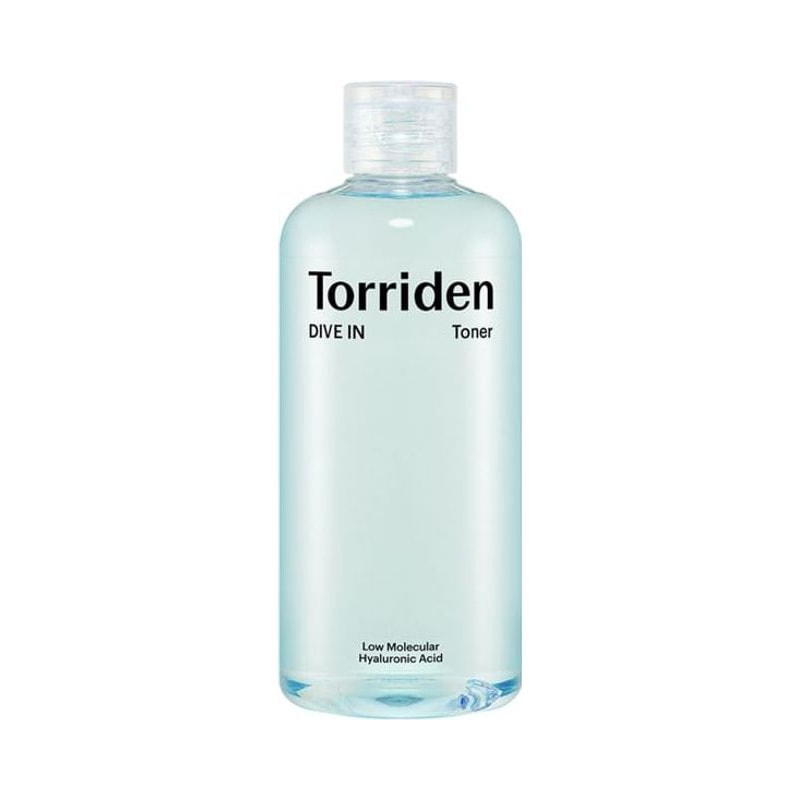
Why is the Isntree HA toner so popular?
Three reasons: (1) The 14-MW HA complex covers more depths than essentially any other consumer product. (2) Fragrance-free, simple INCI — low irritation risk. (3) £15 for 300ml is exceptional value for a serious K-beauty HA formulation. The combination of formulation quality and price is rare. Users with dehydrated skin often report it being the single biggest improvement they made to a routine.
Sources
Last reviewed 2026-05-17. We update this page when new peer-reviewed research changes our recommendations.
- [1]Choosing the Right Hyaluronic Acid: Understanding Molecular Weights (Bulk Naturals)editorial
- [2]Hyaluronic Acid Korean Skincare 2026 Guide (Best Asian Skincare Products)editorial
- [3]Hyaluronic Acid for Skin Explained — 25 Studies (Simple Skincare Science)editorial
- [4]High VS Low Molecular Weight Hyaluronic Acid (Stanford Chem)manufacturer