Ingredient Guide
Postbiotics in Korean skincare
The non-living by-products of fermentation — peptides, organic acids, and bioactive metabolites that strengthen your skin microbiome, where Korean fermentation tradition meets modern dermatology.
Also known as: Lactobacillus ferment · Bifida ferment lysate · Galactomyces ferment filtrate · Saccharomyces ferment · Skin microbiome ingredients · Ferment filtrate
30-second summary
- What it is
- Bioactive compounds produced when microorganisms (lactobacilli, bifidobacteria, yeasts) ferment a substrate. Unlike probiotics (live bacteria), postbiotics are the *non-living* peptides, organic acids, exopolysaccharides, and lysates that remain after fermentation.
- What it does
- Support the diversity and balance of the skin microbiome, strengthen the barrier via peptide and lipid by-products, reduce inflammatory signalling, and brighten tone via fermentation organic acids.
- Who it's for
- Sensitive, reactive, or barrier-compromised skin; rosacea-prone skin; anyone over-cleansing or over-exfoliating who has disrupted their skin microbiome. Also useful as a daily-use brightening adjunct.
- Avoid if
- You have severe yeast sensitivity (very rare). Otherwise, postbiotics are among the lowest-irritation actives in skincare — that's much of the appeal.
- Best concentration
- Most premium ferment products (SK-II Pitera, Missha Time Revolution First Treatment Essence) use ferment filtrate at >70%. For most cosmetic effects, 5%+ is meaningful; below that the product is using ferment for marketing.
The science
What we actually know — and what we don't.
How postbiotics work on your skin
The two postbiotics with the strongest data
In Korean skincare specifically
Why this ingredient is a K-beauty signature, and how the major brands differ.
Korean fermentation tradition meets modern dermatology
The postbiotic products worth knowing
Who it's good for
Postbiotics are unusual among cosmetic actives in that they support a system (the microbiome and barrier) rather than target a single concern. This makes the visible results subtler but more durable, and lower in irritation risk than most actives. The best fit is users who have over-used acids and retinoids and need a "reset" routine, or anyone with consistently reactive skin.
Skin types
Concerns it addresses
Age range: High value at any age but particularly returns over 30 as the cumulative microbiome support adds up. From 40+ they become a foundational rather than optional element of barrier-focused routines.
Who should avoid
Postbiotics are exceptionally low-irritation. The non-living nature of the molecules means no risk of bacterial overgrowth from the product itself. The main "risk" is buying products that use ferment as a marketing claim with insufficient concentration — economic, not safety.
- ·Severe yeast sensitivity or candida-related skin conditions (rare; consult dermatologist before introducing galactomyces/saccharomyces ferments)
- ·Active dermatitis flare-up (start postbiotics during a calm period, not during a flare)
- ·No real safety concerns for most users — postbiotics are well-tolerated
Layering guide
Postbiotic products usually come in essence or toner format — thin, water-like, intended for early in the routine right after cleansing/toning. The classic pattern: cleanse → toner → postbiotic essence (e.g. Pitera-style) → active serum → moisturiser The 7-skin technique (used in K-beauty to layer multiple thin applications of essence) works particularly well with ferment essences, which are designed to be applied in thin, repeatable layers. Press 3–5 thin layers of essence into the skin, waiting 30 seconds between each, before moving to thicker products.
Snail mucin
Layer freelyStrong pairing. Postbiotic essence first (it is the thinnest, most absorbable), snail mucin after.
Centella / Heartleaf
Layer freelyLayers freely. Postbiotic essence first, calming serum after, then moisturiser.
Niacinamide
Layer freelyExcellent combination — ferments and niacinamide both support barrier and tone. Postbiotic first, niacinamide after.
Retinol
Layer freelyPostbiotics buffer retinol irritation. Apply retinol first to clean dry skin, wait 5 min, then postbiotic essence.
AHA / BHA
Layer freelyApply acid first, wait the appropriate window, then postbiotic essence to support recovery.
Vitamin C
Wait 10–20 minApply vitamin C first on clean skin, wait 10–15 minutes, then postbiotic essence. The pH gap is small but worth respecting.
Ceramides
Layer freelyStrong synergy. Postbiotic essence first to soften and prepare; ceramide moisturiser as the closing step.
PDRN / peptides
Layer freelyLayers freely; different mechanisms. Apply postbiotic essence first, then targeted serum.
K-beauty products with postbiotics
2 products available in the UK, sorted by rating.
Not sure if postbiotics is right for your skin?
Take our 2-minute Skin Match quiz. We'll factor in your skin type, concerns, current routine, and what you're already using — and recommend whether this ingredient earns a place in your shelf.
Start the quiz →Frequently asked
Are postbiotics the same as probiotics?
No. Probiotics are live bacteria; postbiotics are the non-living by-products of bacterial or yeast fermentation. Most cosmetic products labelled "probiotic" actually contain postbiotic compounds — true live probiotics are difficult to keep alive in a preservative system. Postbiotics are easier to formulate, more stable, and well-supported by research for the typical "microbiome skincare" claims.
Is SK-II Pitera actually worth the price?
For the right user, yes; for many, no. The galactomyces ferment filtrate at 90%+ is one of the most concentrated single-ferment formulations in skincare and has measurable tone-evenness and pore appearance effects. But Missha Time Revolution Essence at one-third the price uses a very similar formulation with 80–90% ferment content and similar reported outcomes. If you can find SK-II at a major discount, it is worth trying once; for ongoing use, Missha is the more sensible price-to-effect choice.
Can ferment essences cause breakouts?
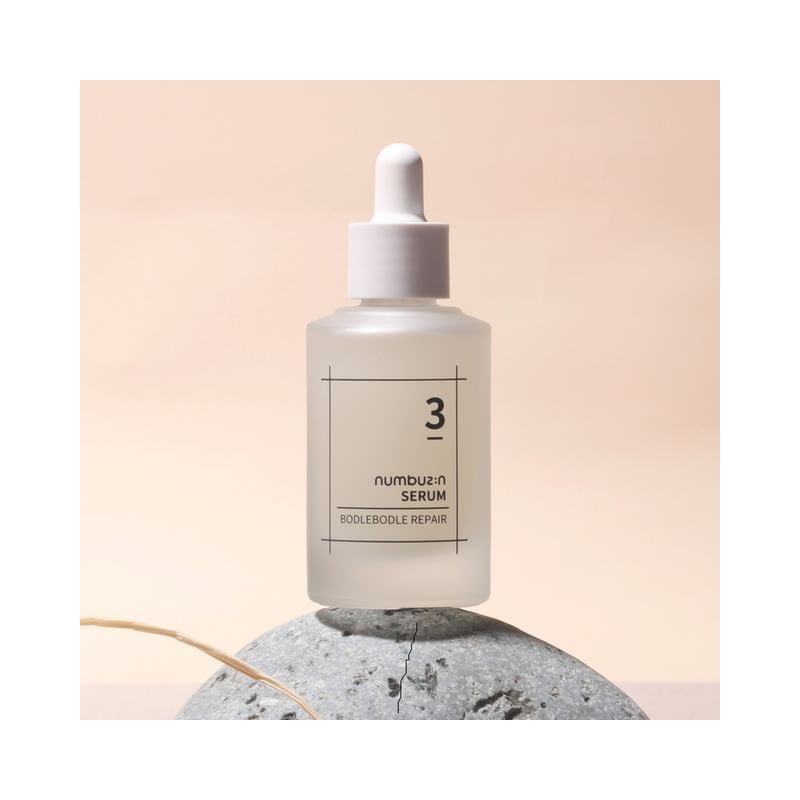
Rare but possible. Some users with very sensitive skin or yeast sensitivity react to galactomyces or saccharomyces ferments specifically. If you suspect a reaction, switch to a bifida-based ferment (Estée Lauder Advanced Night Repair, Numbuzin No.3) which uses a different microorganism entirely. Patch test on the inner forearm before face application if you are introducing your first ferment product.
How long do postbiotics take to show results?
Hydration and skin softness within 1–2 weeks. Tone evenness changes in 4–8 weeks. Barrier and sensitivity improvements in 4–12 weeks. The visible effects of postbiotics tend to compound — they look subtle in the short term but durable over months of use.
Are postbiotics safe during pregnancy?
Yes for the major ferment ingredients (bifida ferment lysate, lactobacillus ferment, galactomyces ferment filtrate). These are well-tolerated topical compounds with no known pregnancy concerns. Some fermented essences include other actives (retinol, vitamin C, acids) — check the full INCI to confirm those are also pregnancy-safe for your situation.
Can I use postbiotics with acids and retinol?
Yes — in fact this is one of the best combinations for users worried about over-exfoliating. The postbiotic essence buffers the irritation from acids and retinoids and accelerates barrier recovery. Apply the active first to clean dry skin (acids and retinoids need direct contact), wait the appropriate window, then layer postbiotic essence as a buffer before your moisturiser.
Why does my ferment essence feel like water?
That is the texture working as designed. Ferment essences are intentionally thin and water-like — the fermentation process produces small molecules that benefit from quick, light layering rather than a heavy single application. The "7-skin" technique (pressing 3–7 thin layers in sequence) is specifically designed for this format and gives noticeably better results than a single heavy application.
Related ingredients
Sources
Last reviewed 2026-05-17. We update this page when new peer-reviewed research changes our recommendations.
- [1]The Skin Microbiome Revolution: Science and Challenges of Prebiotics, Probiotics, Postbiotics (MDPI Cosmetics 2026)peer reviewed
- [2]Microbiome Korean Skincare 7-Step Routine for Sensitive Skin (Q-Depot)editorial
- [3]Probiotics & Postbiotics in K-Beauty (K-KARE)editorial
- [4]Best Fermented Skincare Korean Brands 2026 (knok Global)editorial